
Botanical garden travel guide planning usually comes down to one thing: you want peak blooms without peak stress, yet gardens run on seasons, microclimates, timed tickets, and a lot of walking. If you show up at the wrong hour or the wrong week, even a world-class garden can feel oddly underwhelming.
This guide focuses on flowers, not just “things to do.” You’ll get a practical way to pick the right day, build a realistic route, and leave with better photos and fewer blisters. I’ll also flag the common traps, like assuming every garden labels every plant, or that weekends behave like weekdays.
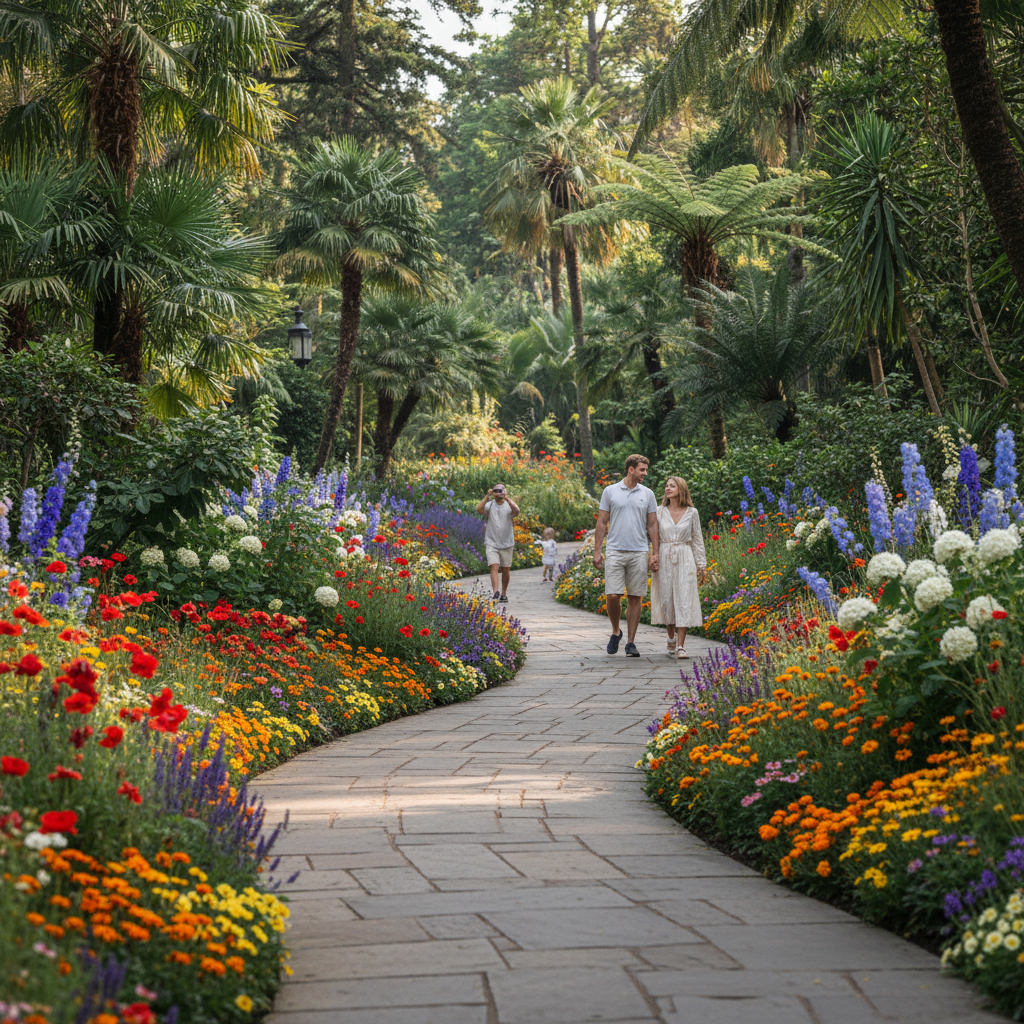
If you’re visiting in the U.S., you’ll also notice that many gardens rotate displays and temporarily close sections for maintenance, so having a flexible plan matters more than trying to “see everything.”
Choose the right garden for the flowers you want
Not all gardens are equally strong in every season. Some excel at spring bulbs, others at roses, desert blooms, or native wildflowers. A quick match between your “must-see” flowers and the garden’s strengths saves a lot of disappointment.
- Spring: tulips, daffodils, magnolias, cherry blossoms, azaleas, camellias (region-dependent)
- Summer: roses, lilies, hydrangeas, lotus/water lilies, prairie perennials
- Fall: dahlias, chrysanthemums, late-season natives, foliage plus seed heads
- Winter: conservatory orchids, tropical houses, desert collections, holiday light shows (less flower-heavy)
According to the American Public Gardens Association (APGA), public gardens often have distinct collections and conservation priorities, which is why two “botanical gardens” can feel totally different in layout and peak color. Use that to your advantage: pick one aligned with your floral interests, not just the closest option.
Timing: how to actually catch peak bloom (and avoid crowds)
Bloom timing is the make-or-break detail in any botanical garden travel guide. “Peak” can shift by a week or more depending on temperature swings and rain. The practical move is to plan around a range, then confirm close to your visit.
Do this 7–10 days before your trip
- Check the garden’s website for a bloom tracker, “what’s in bloom,” or event calendar.
- Scan recent photos on the garden’s official social channels, they usually show what looks best right now.
- Look at local weather forecasts, sudden heat can accelerate blooming, cold snaps can delay it.
Best times of day for flowers and photos
- Early morning: softer light, fewer people, easier close-up shots.
- Late afternoon: warmer light, but crowds may still be present in popular gardens.
- Midday: harsh shadows, yet good for conservatories and shaded woodland paths.
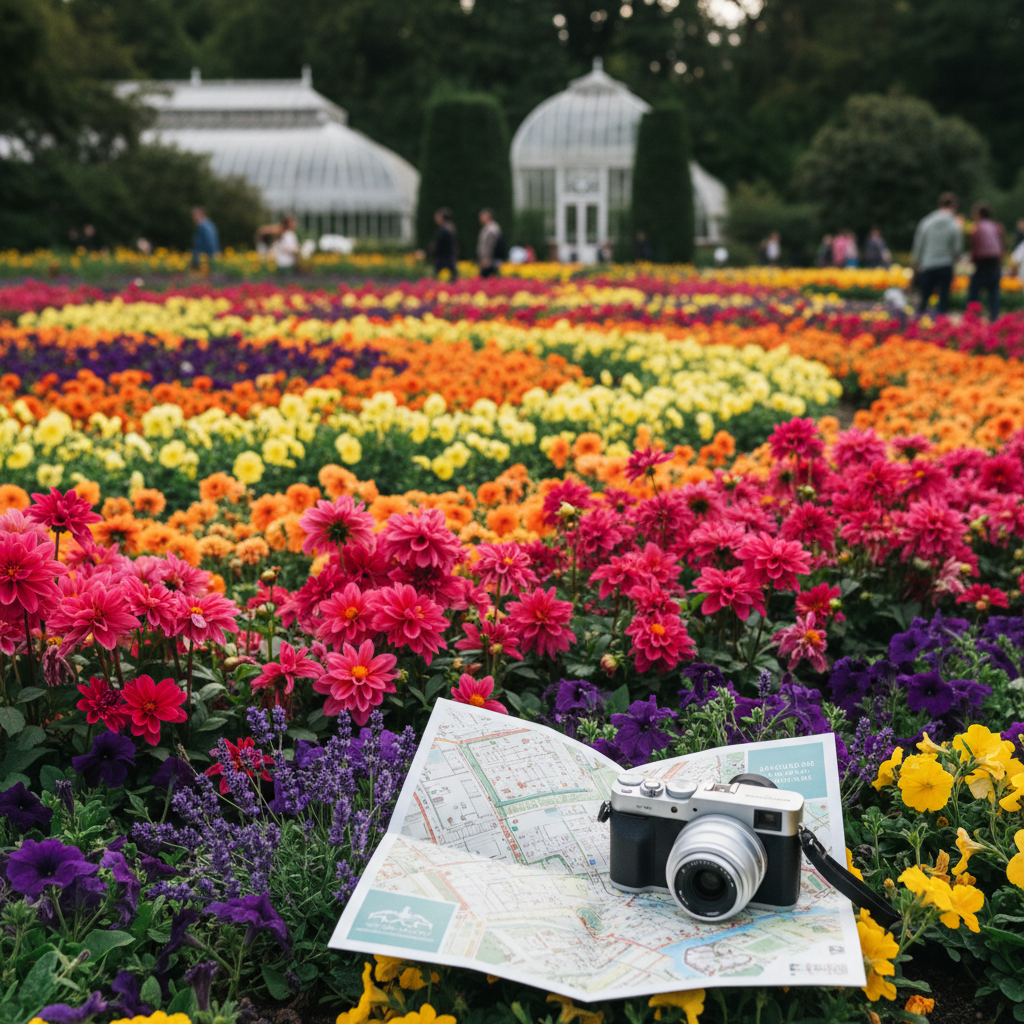
If you can, aim for a weekday morning. Many gardens feel entirely different when you’re not navigating strollers, tour groups, and sold-out parking lots.
Quick self-check: what kind of visit are you planning?
This sounds small, but it changes everything: your route, your footwear, even your ticket choice. Pick the closest match and plan from there.
- “I want peak photo spots.” You need early entry, a short route, and time buffers.
- “I’m here to learn plants.” You’ll want labeled collections, tours, and conservatories.
- “Family day with kids.” Prioritize shade, bathrooms, snacks, and one big highlight garden.
- “Date / casual stroll.” Go for scenic loops, café access, and a conservatory backup if weather turns.
Be honest about walking tolerance. Botanical gardens can quietly add up to 3–6 miles if you wander, and that’s before you stop for photos.
Build a simple route that doesn’t feel like a marathon
A common mistake is trying to cover the entire map. Better: choose 3–5 “anchor” areas where flowers are most reliable, then connect them with the easiest paths.
A low-stress route template
- Anchor #1 (arrival): the seasonal display beds near the entrance, they’re maintained to impress.
- Anchor #2: a signature collection (rose garden, Japanese garden, native meadow).
- Anchor #3: conservatory or greenhouse as your weather-proof highlight.
- Optional: one quiet zone (woodland trail, lake loop) to reset.
If the garden offers a tram, consider it as a time-saver, not a “tourist thing.” It can free your feet for the flower sections that matter most.
What to pack and what to skip (U.S.-friendly checklist)
You don’t need a backpack full of gear, but a few items make the day noticeably smoother.
- Comfortable walking shoes with decent grip, paths can be wet or gravel.
- Light layer, conservatories can feel hot and humid even when it’s cool outside.
- Water and a small snack, cafés get lines during peak bloom weekends.
- Phone power: a small power bank if you shoot lots of photos.
- Allergy prep: if pollen triggers you, consider a mask or appropriate medication, and ask a clinician if you’re unsure what’s safe.
Skip tripods unless the garden explicitly allows them, many restrict tripods during busy times for safety and traffic flow.
Flower photography: small tweaks that make shots look “pro”
You don’t need fancy gear. You need patience, better angles, and less clutter. And yes, crowds are the clutter most people forget to plan around.
Key takeaways for better flower photos
- Go low: shoot slightly upward or level with blooms to reduce background distractions.
- Find clean backgrounds: sky, hedges, or shaded trees help flowers pop.
- Use portrait mode carefully: great for single blooms, less reliable for dense beds.
- Wait for wind pauses: even two seconds of stillness can sharpen your shot.
- Respect barriers: stepping into beds for a photo can damage plants and gets visitors banned in many places.
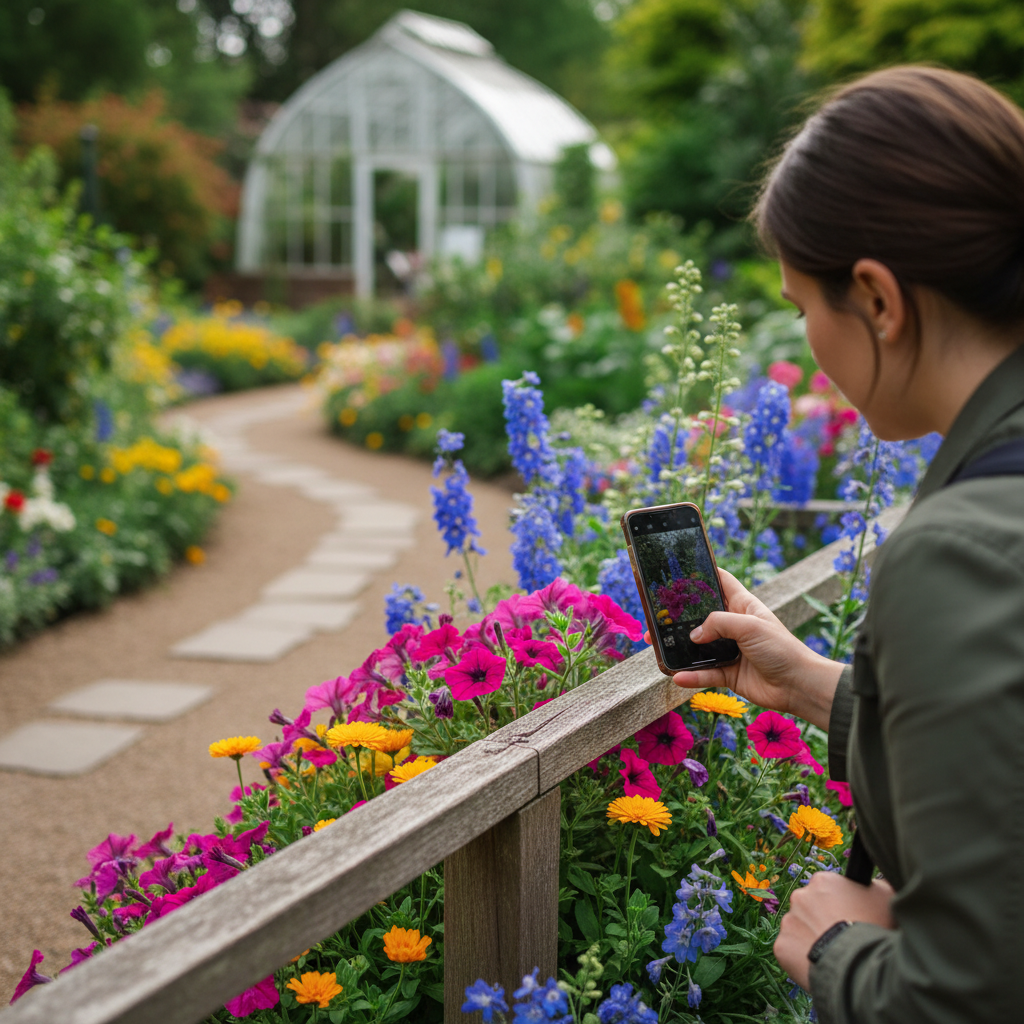
According to the National Park Service, staying on designated trails helps protect natural and planted areas. Public gardens operate on the same principle, even when it feels like “just one step” for a better angle.
Costs, tickets, and practical logistics (table)
Pricing and rules vary a lot by garden, but the patterns are predictable. Use this as a quick planning reference, then confirm details on the garden’s official site.
| Planning item | What to check | Why it matters |
|---|---|---|
| Admission & timed entry | Timed tickets, member hours, last entry time | Controls crowding, affects golden-hour photos |
| Parking & transit | Parking capacity, overflow lots, nearest rail/bus | Late arrival can mean long walks before you even start |
| Accessibility | Wheelchair routes, tram availability, steep grades | Prevents route plans that look easy on a map but feel hard |
| Weather backup | Conservatory hours, indoor exhibits, rain policies | Keeps the day enjoyable even if conditions change |
| Photography rules | Tripods, drones, commercial shoots, permits | Avoids awkward staff interactions and wasted gear |
Common mistakes (and the fixes that actually help)
- Assuming “peak bloom” means all areas look peak: focus on the seasonal display beds and the garden’s headline collection.
- Overplanning every minute: leave space to linger, the best sections often surprise you.
- Ignoring sun exposure: full-sun gardens can feel brutal at noon, shift those areas to morning.
- Buying tickets too late: during tulip and cherry blossom windows, sellouts are common.
- Underestimating walking: pick a loop, not a zigzag, your feet will thank you.
If you’re using this botanical garden travel guide for a special occasion, build in a simple backup plan, like a conservatory visit or a nearby museum, because bloom timing can be unpredictable.
Conclusion: a better flower day comes from a simpler plan
A flower-focused visit works best when you choose the right season, confirm what’s blooming close to your date, and commit to a short route built around 3–5 highlights. Keep your timing realistic, pack lightly, and treat the conservatory as your safety net.
Action steps: check the garden’s “what’s in bloom” update within a week of your visit, then sketch a three-anchor route and arrive early if photos matter to you.
FAQ
How far in advance should I plan a botanical garden travel guide for peak flowers?
Roughly a month out is enough for tickets and travel basics, but the bloom decision should happen 7–10 days before, when gardens post timely updates and weather forecasts are more reliable.
What if I can only visit on a weekend?
Go early, prebook timed entry if offered, and pick one “must-see” flower area plus a conservatory. Weekends can still be great, they just reward simpler routes and patience.
Are botanical gardens good for kids who may get bored?
Many are, especially if you plan around one standout feature like a pond, a children’s garden, or a greenhouse. Short loops, snack breaks, and a clear “one big goal” usually work better than trying to see every section.
Do I need a guided tour to enjoy the flowers?
Not necessarily. Tours can add context on plant names and garden design, but a self-guided walk can be more relaxing for photography. If learning is your main goal, check docent-led walk times.
How do I find out what’s blooming without guessing?
Start with the garden’s official “what’s in bloom” page, email newsletter, or social posts. If details still feel vague, a quick call to the visitor desk often clarifies what looks best right now.
What should I do if pollen allergies are an issue?
Choose breezier times of day, avoid rubbing eyes after touching railings or plants, and consider medication guidance from a clinician if symptoms are significant. Some conservatories can feel intense for sensitive visitors.
Can I pick flowers or collect seeds?
Usually no. Public gardens protect collections for conservation and display, and picking flowers can damage long-term plantings. If you want plants for home, check the gift shop or seasonal plant sales instead.
If you’re trying to line up blooms with a short trip window, or you’d rather not juggle maps, tickets, and timing, a simple planning checklist and a tight route plan can save you a lot of trial-and-error, especially during peak spring weekends.