
How to plan romantic trip for partner starts with one honest choice: are you aiming for “wow, this is a movie” energy, or “we finally exhale” energy. Both can feel deeply romantic, but they require different planning, pacing, and spending. If you skip this step, people usually overbook, overpay, or accidentally plan a trip that fits their own taste more than their partner’s.
A romantic trip is also one of those gifts where logistics become part of the romance, flights, check-in times, dinners, and little moments in between. The good news is you don’t need a luxury budget to make it feel intentional, you need a clear plan and a couple of memorable anchors.

This guide keeps it practical: how to match the destination to your partner, build an itinerary that feels relaxed, and handle the “unsexy” details so you can actually enjoy the trip. Along the way, I’ll call out common mistakes that make romantic trips oddly stressful.
Start with your partner’s version of “romantic”
Romance is rarely one-size-fits-all. Some people want a cozy cabin, slow mornings, and no plans. Others feel loved when you curate experiences and surprises. Before you book anything, pin down the vibe in plain language.
- Quiet and cozy: cabins, small inns, beach towns in the off-season, spa time.
- Food and culture: walkable cities, reservations, museums, cooking classes.
- Adventure-bonding: national parks, hikes, scenic drives, kayaking.
- Luxury reset: resort, room service, upgraded room, minimal movement.
If you’re not sure, use “soft questions” that don’t spoil anything, like “What would feel restorative right now?” or “Would you rather do one big activity a day, or keep it spontaneous?” It still counts as a surprise if they don’t know when, where, and how you’ll pull it together.
Pick the destination using a simple decision filter
When people ask how to plan romantic trip for partner, they often get stuck at the destination stage because there are too many choices. Narrow it with a filter that balances emotion and logistics.
A quick destination filter (use 0–2 points each)
- Travel energy: 0 = exhausting, 2 = easy and direct (few connections, short drive).
- Weather fit: 0 = risky for your plans, 2 = likely enjoyable.
- Shared meaning: 0 = random, 2 = connects to an inside joke, favorite movie, or future goal.
- Walkability: 0 = car everywhere, 2 = easy strolls and date-night spots.
- Romance “props”: 0 = hard to create moments, 2 = sunsets, views, cozy cafés, scenic routes.
Destinations that score high tend to feel romantic without you forcing it. If your partner is busy or burnt out, you’ll usually win by choosing closer and smoother rather than farther and flashier.
Budget and timing: spend on what they will actually feel
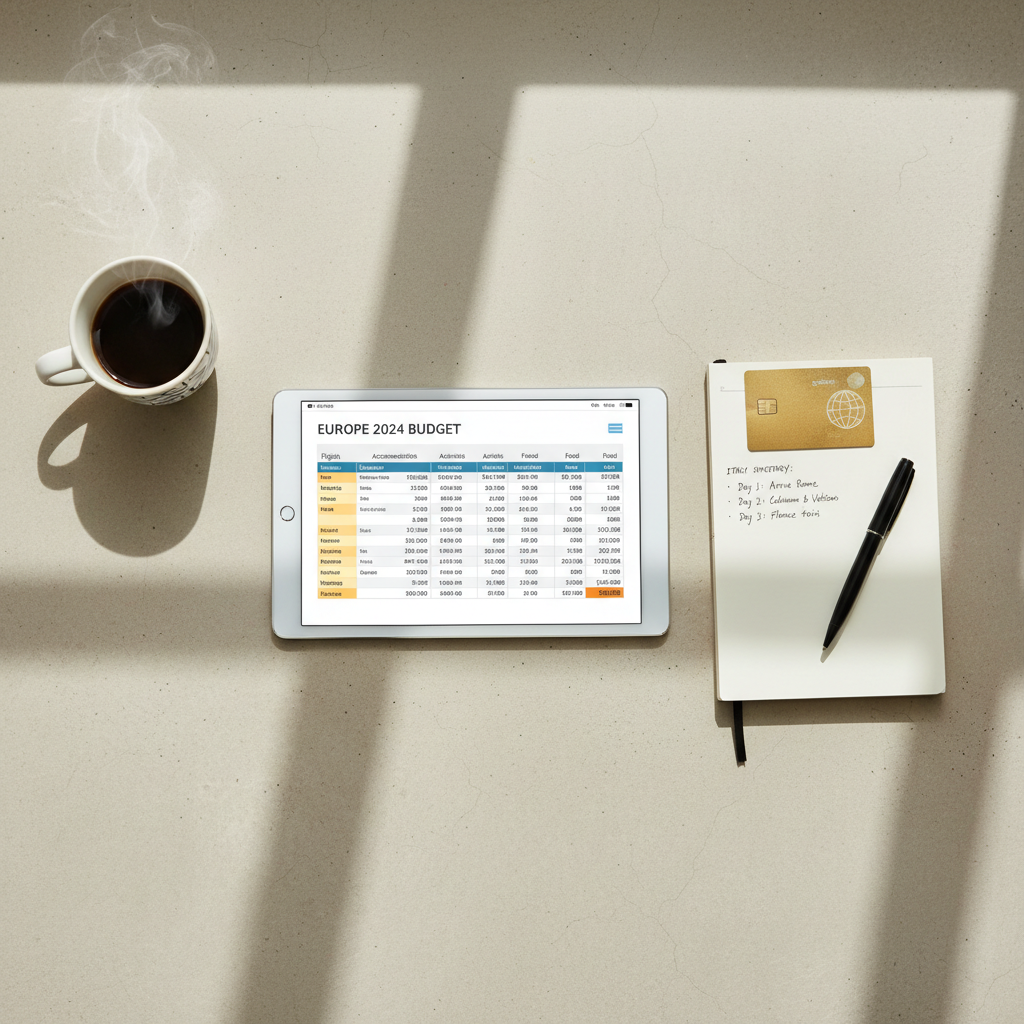
Romantic trips go sideways when money decisions happen late. Set a top number early, then commit to spending where your partner will notice, not where travel sites push you.
A practical “romance spend” priority table
| Spend Area | When it’s worth upgrading | When to save |
|---|---|---|
| Hotel room | If you’ll spend real time in it (views, bathtub, balcony, cozy vibe) | If you’ll be out all day and only sleep there |
| Transportation | Direct flights, better times, fewer connections reduce stress | Upgrades that don’t change comfort much for short trips |
| Food | One “signature” dinner, tasting menu, chef’s counter, or waterfront table | Breakfast and casual lunches, especially in expensive cities |
| Experience | Private tour, couples massage, sunset cruise if it matches their style | Overbooking multiple paid activities daily |
| Details | Flowers, a handwritten note, small photo book, playlist | Souvenirs you buy just to buy something |
Timing matters almost as much as budget. Shoulder seasons often feel more intimate: fewer crowds, easier reservations, more space to relax. Just keep expectations realistic around weather and daylight hours.
Build an itinerary that feels romantic, not rushed
A romantic itinerary is basically pacing plus two or three anchors. You want enough structure that the trip feels cared-for, but enough air that you can linger, nap, wander, and still feel like you’re “on vacation.”
Use the “1–1–1” daily rhythm
- One meaningful plan: museum, hike, tour, beach day, winery visit.
- One romantic touch: sunset spot, dessert place, scenic drive, fancy cocktail bar.
- One open block: no reservations, just follow your mood.
If you’re planning a surprise, give your partner at least one choice point each day. People enjoy surprises more when they still feel agency.
Mini template for a 3-day romantic getaway
- Day 1: Smooth arrival, check-in early if possible, low-effort dinner, short walk.
- Day 2: The “feature” experience, then downtime, then the signature dinner.
- Day 3: Slow morning, café or brunch, one last view, leave without sprinting.
Book the right “romantic anchors” (and keep them realistic)
Most trips only need a few planned moments to feel special. The trick is picking anchors that fit your partner’s comfort level and your destination’s reality.
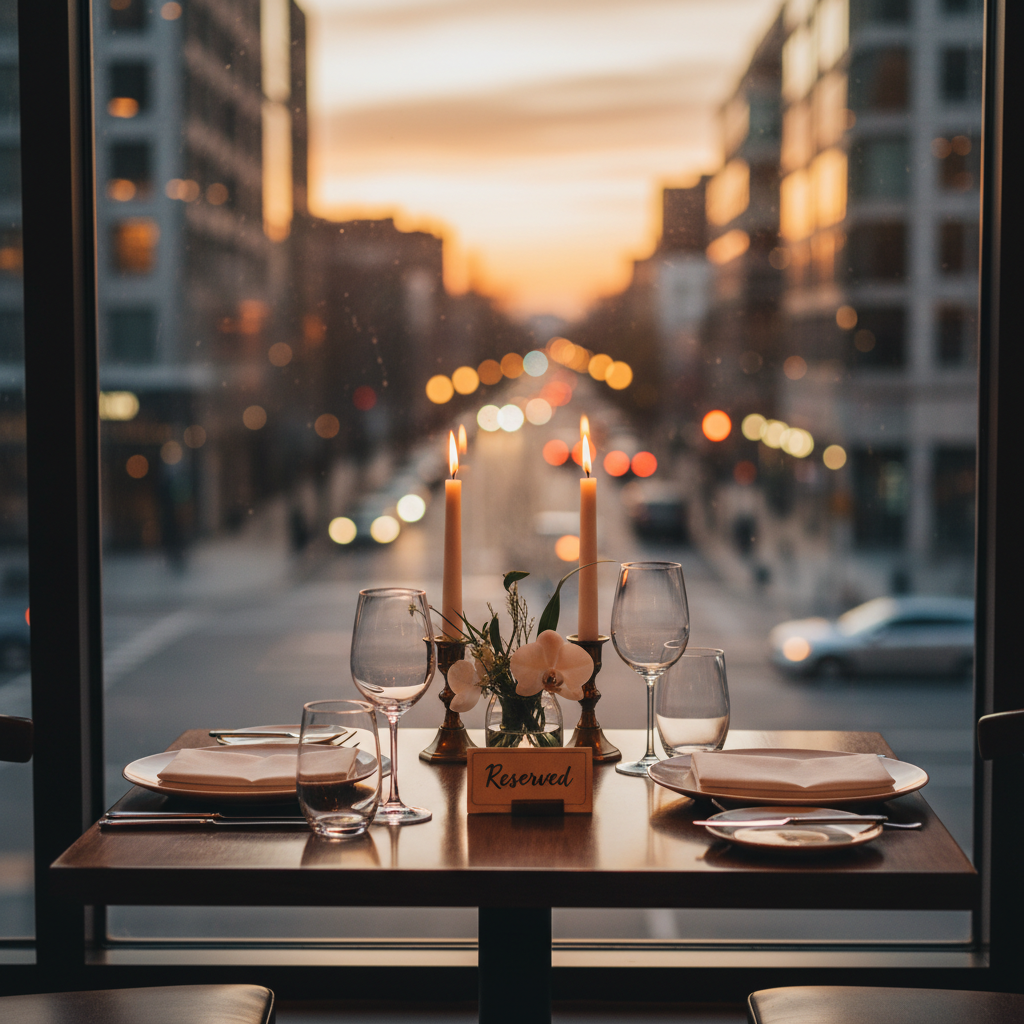
- One reservation that signals intention: a restaurant your partner would never book for themselves.
- One shared experience: cooking class, couples spa, boat ride, stargazing, live music.
- One private moment: a viewpoint, picnic, sunrise coffee, “no phones for 30 minutes.”
Keep a plan B. Weather, seasonal closures, and travel delays happen, even on romantic trips. According to the U.S. Department of Transportation (Office of Aviation Consumer Protection), flight disruptions can occur for many reasons, so building buffer time protects the mood more than any upgrade.
If you’re adding a surprise element, tell the hotel it’s a special occasion, but don’t assume they can deliver extras without confirmation. Get it in writing if it matters, and set your own backup, even a simple note and a small treat you pack yourself.
Safety, comfort, and the unromantic details that save the trip
It’s hard to feel romantic when you’re hungry, lost, or stressed about logistics. A few quiet admin steps make the whole weekend feel smoother.
- Create a shared doc: confirmations, addresses, check-in times, and a loose schedule.
- Plan arrival food: know what’s open near the hotel, late arrivals can get tricky.
- Pack with intention: one “date outfit,” one comfy outfit, one weather backup.
- Health considerations: if either of you has allergies, mobility needs, or dietary restrictions, call ahead and ask. For medical concerns, it’s usually smart to consult a clinician before travel.
- Local guidance: According to the U.S. Department of State, travelers should review destination-specific advisories and safety guidance, especially for unfamiliar areas.
One more detail people underestimate: sleep. If your partner has an early bedtime or hates red-eye flights, “efficient” travel choices can quietly undermine the entire vibe.
Common mistakes that make romantic trips feel awkward
- Planning for your fantasy, not theirs: the trip should feel like them, not your Pinterest board.
- Over-scheduling: romance needs time to happen, not just activities.
- Relying on one big moment: if the one surprise fails, the trip feels flat, spread the magic out.
- Ignoring friction points: tight connections, long drives after dinner, or complicated parking can drain energy fast.
- Not talking about expectations: if one person thinks “proposal trip” and the other thinks “relaxing weekend,” that mismatch hurts.
Key takeaways you can use today
- Define the romance style before picking a destination, it prevents expensive misfires.
- Choose 2–3 anchors (one dinner, one experience, one private moment) and leave space around them.
- Spend where it’s felt like a better room, a smoother travel schedule, or one great meal.
- Protect the mood with buffer time, backup options, and a simple shared itinerary.
Conclusion: make it feel intentional, not perfect
How to plan romantic trip for partner is less about pulling off a flawless surprise and more about designing a few moments where your partner feels seen. Pick a destination that matches their energy, book a couple of high-impact anchors, and keep the schedule breathable so you can actually enjoy each other.
If you want a simple next step, choose your trip vibe in one sentence, then book the hotel and the signature dinner first, everything else can stay flexible.