
Sunset travel spots scenic enough for a “wow” view aren’t always the famous ones, they’re the places where horizon, access, and timing line up so you can actually enjoy the light instead of fighting crowds or clouds.
If you’ve ever driven to a viewpoint and watched the sun drop behind the wrong ridge, or arrived to find the overlook packed and noisy, you already know why this matters. A great sunset is part geography, part planning, part expectations.
This guide focuses on how to choose the right kind of sunset spot for your trip, with practical checklists, a quick comparison table, and a handful of reliable U.S. options that usually deliver strong views.
What makes a sunset spot “scenic” (beyond the hype)
When people search for sunset travel spots scenic, they often picture a postcard. In real life, “scenic” usually comes down to a few concrete factors you can check in advance.
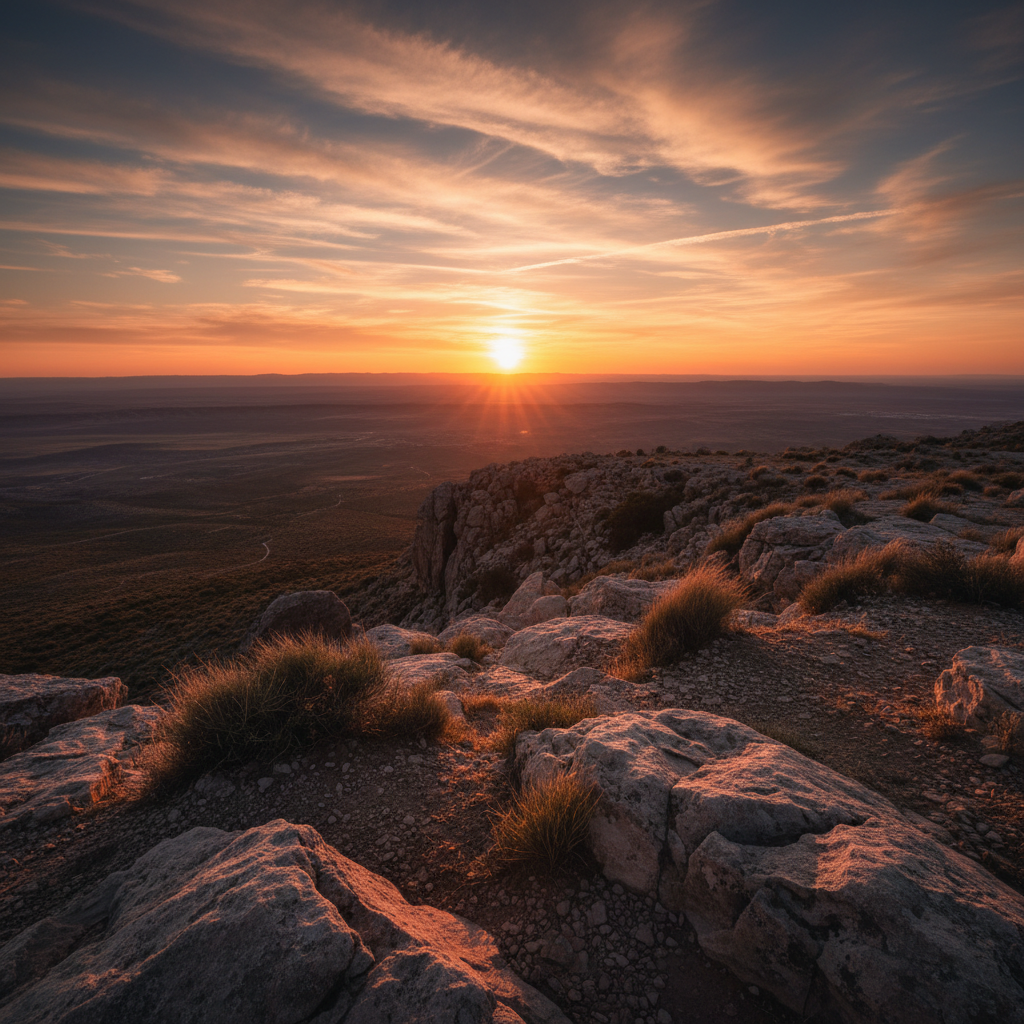
- Clear horizon line: Ocean edges, desert flats, and high ridgelines often give cleaner sunsets than valleys.
- Foreground interest: Rock formations, piers, city skylines, dunes, or tree silhouettes add depth to photos and make the view feel bigger.
- Weather patterns: Thin high clouds can boost color, thick low marine layers can erase it. Coastal areas can be stunning, but they’re also more variable.
- Access and exit: The best viewpoint is the one you can leave safely after dark, with a clear path and reliable navigation.
One more thing people underestimate: the best color often peaks after the sun dips below the horizon. If you leave at “sunset time,” you may miss the main show.
Quick comparison: choose your best sunset setting
If you’re torn between coast, mountains, desert, and city views, this table helps you pick based on what you want, not what’s trending.
| Setting | What it looks like | Best for | Common drawback |
|---|---|---|---|
| West-facing beach or cliff | Big horizon, reflections on water | Relaxed viewing, classic photos | Marine haze, wind, parking fills fast |
| Desert viewpoint | Bold color, long sightlines | Color lovers, minimal crowds | Temperature swings, long drives back |
| Mountain ridge | Layers of peaks, dramatic silhouettes | Hikers, panoramic shots | Sun may drop behind terrain early |
| City skyline / rooftop | Glass and light, urban glow | Date nights, quick access | Buildings block horizon, crowds or fees |
For many trips, the “best” move is mixing two: one easy city sunset for convenience, one nature sunset for the big memory.
Reliable U.S. sunset travel spots (scenic, practical, and worth the effort)
These aren’t secret, and that’s the point. They’re consistently photogenic, reasonably accessible, and they fit the way people actually travel.
1) Key West, Florida (Mallory Square + nearby docks)
Key West sunsets can feel like an event, and sometimes that’s exactly what you want. If Mallory Square gets too busy, walk a few minutes toward quieter docks for a calmer angle.
- Why it works: Unobstructed water horizon, strong color when clouds cooperate.
- Plan for: Crowds, earlier parking, and staying through twilight.
2) Big Sur, California (coastal pullouts + cliff viewpoints)
Big Sur gives you that rugged coastline silhouette that reads “cinematic” even on a phone. The tradeoff is logistics: narrow roads, limited pullouts, and changes in coastal fog.
- Why it works: Cliffs, surf texture, wide sky.
- Plan for: Safe parking and leaving without rushing in the dark.
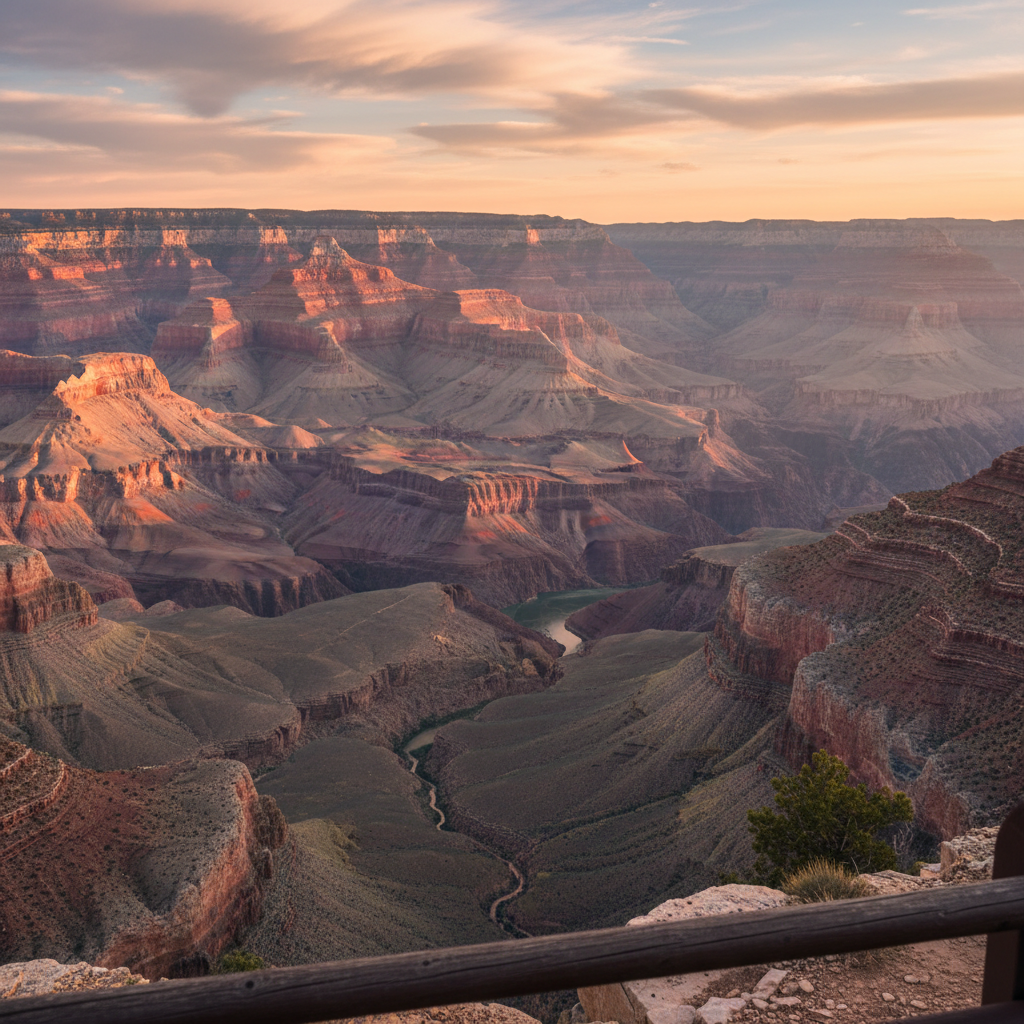
3) Grand Canyon, Arizona (South Rim overlooks)
Sunset at the Grand Canyon is less about the sun “setting” and more about the canyon changing color every few minutes. It’s one of the most forgiving options if you want drama without a technical hike.
- Why it works: Massive depth, shifting light on rock layers.
- Plan for: Cold wind in cooler seasons, and staying late for the best tones.
4) Haleakalā, Maui, Hawaii (summit area)
Haleakalā is famous for sunrise, but sunset can be spectacular too, especially for those who prefer avoiding very early alarms. The altitude and shifting weather make warm layers a real need.
- Why it works: Above-the-cloud effect on some evenings.
- Plan for: Cold, wind, and checking park guidance before you go.
5) Santa Fe to Taos region, New Mexico (high desert vistas)
The high desert tends to produce clean gradients and long views, and it’s often calmer than the biggest national-park hotspots. You’ll get strong silhouettes and a wide “bowl” of sky.
- Why it works: Dry air, open horizon, bold color potential.
- Plan for: Driving back on rural roads after dark.
6) Seattle, Washington (waterfront parks facing west)
When conditions align, the mix of water, skyline, and distant mountains can look unreal. But the Pacific Northwest is also where you learn to respect cloud forecasts.
- Why it works: Reflections and layered scenery.
- Plan for: Variable clouds; have a backup spot nearby.
A quick self-check before you commit to a sunset plan
If you want sunset travel spots scenic enough to justify the detour, run this checklist in two minutes. It saves more trips than any “top 10” list.
- Is the view west-facing? Sounds obvious, but maps and photos can mislead.
- Do you have a clean horizon? If mountains block the west, the sun may disappear early.
- Can you arrive 30–60 minutes early? This is how you get parking, pick a frame, and relax.
- Do you have a safe exit plan? Signal, lighting, stairs, and trail conditions matter after dusk.
- Do you have a backup? A second nearby viewpoint reduces weather disappointment.
According to the National Weather Service, checking local forecasts and weather alerts helps travelers make safer outdoor plans, especially when conditions can change quickly near coasts and mountains.
Practical tips to get better sunset views (and photos) without overthinking
You don’t need pro gear. You need the right timing, a stable setup, and a little patience.
Timing that usually works
- Arrive early: Aim for 45 minutes before the posted sunset time.
- Stay late: Many “best colors” show up 10–25 minutes after sunset.
- Use the right compass view: In summer, the sun sets more northwest; in winter, more southwest, so shift your spot accordingly.
Simple photo upgrades (phone-friendly)
- Lock exposure on the bright sky so the colors don’t wash out.
- Add foreground like a railing, cactus, tidepool, or rock edge for depth.
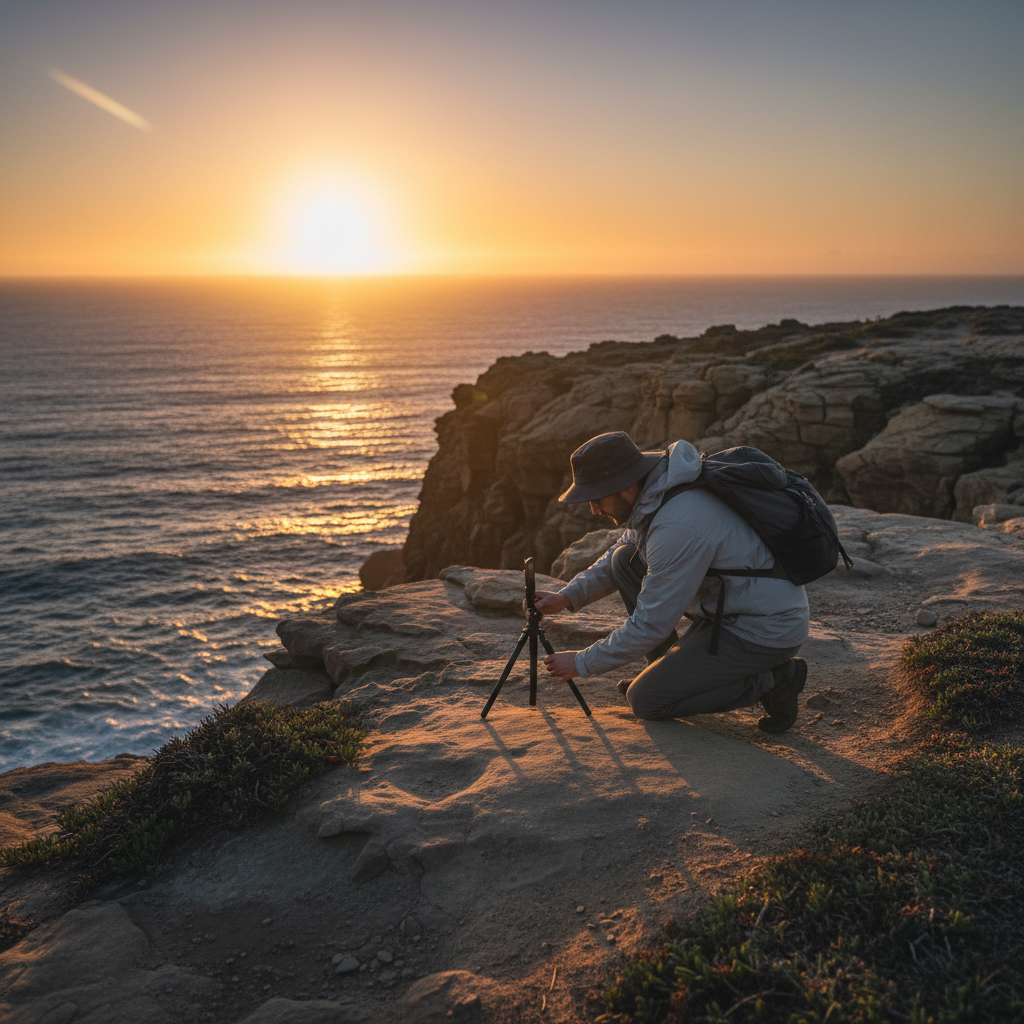
- Hold steady during the darker “afterglow” phase; a small tripod can help if allowed.
Safety, etiquette, and common mistakes that ruin the moment
Sunsets are low-risk most of the time, but the problems are predictable: people push too close to edges, underestimate cold, or get stuck leaving in darkness.
- Don’t chase the “empty spot” past barriers: If an overlook has fencing, it exists for a reason.
- Bring a small light: A phone flashlight works, but a dedicated headlamp often feels safer on uneven paths.
- Watch tides on rocky beaches: Rogue waves and rising tides can be dangerous; if you’re unsure, keep distance and consider asking local staff.
- Be considerate with tripods: Keep walkways clear and avoid blocking prime rail space for long stretches.
According to the National Park Service, staying on designated trails and following posted safety guidance reduces accident risk in overlooks and cliff areas.
Key takeaways + a simple plan for your next trip
If you want consistently strong sunset experiences, pick viewpoints based on horizon and access, not just popularity, and build your timing around the afterglow. That combination is what makes sunset travel spots scenic in the way people actually mean it.
- Tonight or this weekend: Choose one west-facing spot, arrive 45 minutes early, stay 20 minutes late.
- For a trip: Add one “easy” sunset (city/waterfront) plus one “big” sunset (desert/mountain) and keep a backup for weather.
Save a short list of 2–3 local viewpoints on your phone, check the forecast the day of, and let the light do the heavy lifting.
FAQ
What time should I arrive at a sunset viewpoint?
In many cases, 30–60 minutes early works well. It gives you time to park, walk in, and choose a spot before the best light starts changing quickly.
Are beaches always the best scenic sunset travel spots?
Beaches are great when the horizon is clear, but coastal haze can mute color. Deserts and high viewpoints can be more consistent for vivid gradients, depending on weather.
How do I find a west-facing overlook fast?
Use a map app’s compass orientation and satellite view, then cross-check with recent photos. If the view points into hills or buildings, it may not deliver a true horizon sunset.
Why does sunset look better after the sun disappears?
The sky can keep glowing as sunlight scatters through the atmosphere, especially with thin clouds. That “afterglow” is often the most colorful part of the whole sequence.
What should I bring for a safe sunset hike?
At minimum: a light, a layer for wind, water, and a fully charged phone. If terrain is unfamiliar, a conservative approach is smart, and in some situations it may help to ask park staff about trail conditions.
How can I avoid crowds at popular spots?
Go on a weekday, arrive earlier than you think, or pick a nearby alternate viewpoint with a similar west-facing angle. Sometimes walking 10 minutes away from the main platform changes everything.
Do I need a tripod for sunset photos?
Not always, but it helps during the darker minutes after sunset. A small, unobtrusive tripod can improve sharpness without turning your sunset plan into a production.
If you’re planning a trip and want sunset travel spots scenic enough to feel effortless, start by choosing two viewpoints per destination, one “sure thing” with easy access and one that’s a little more iconic, then build your timing around arriving early and staying through the afterglow.