
Valley travel destinations scenic searches usually come from the same place, you want dramatic views and an easy-to-plan trip, but you don’t want to waste vacation days on a valley that’s overcrowded, smoky, or simply not your vibe.
This guide narrows the field with a practical lens, what each valley is known for, when it tends to look its best, what kind of traveler it fits, and a few real-world planning notes people often learn the hard way.
I’m keeping this U.S.-friendly, with a mix of iconic parks and “worth the flight” international picks, plus a quick checklist and a planning table you can screenshot.
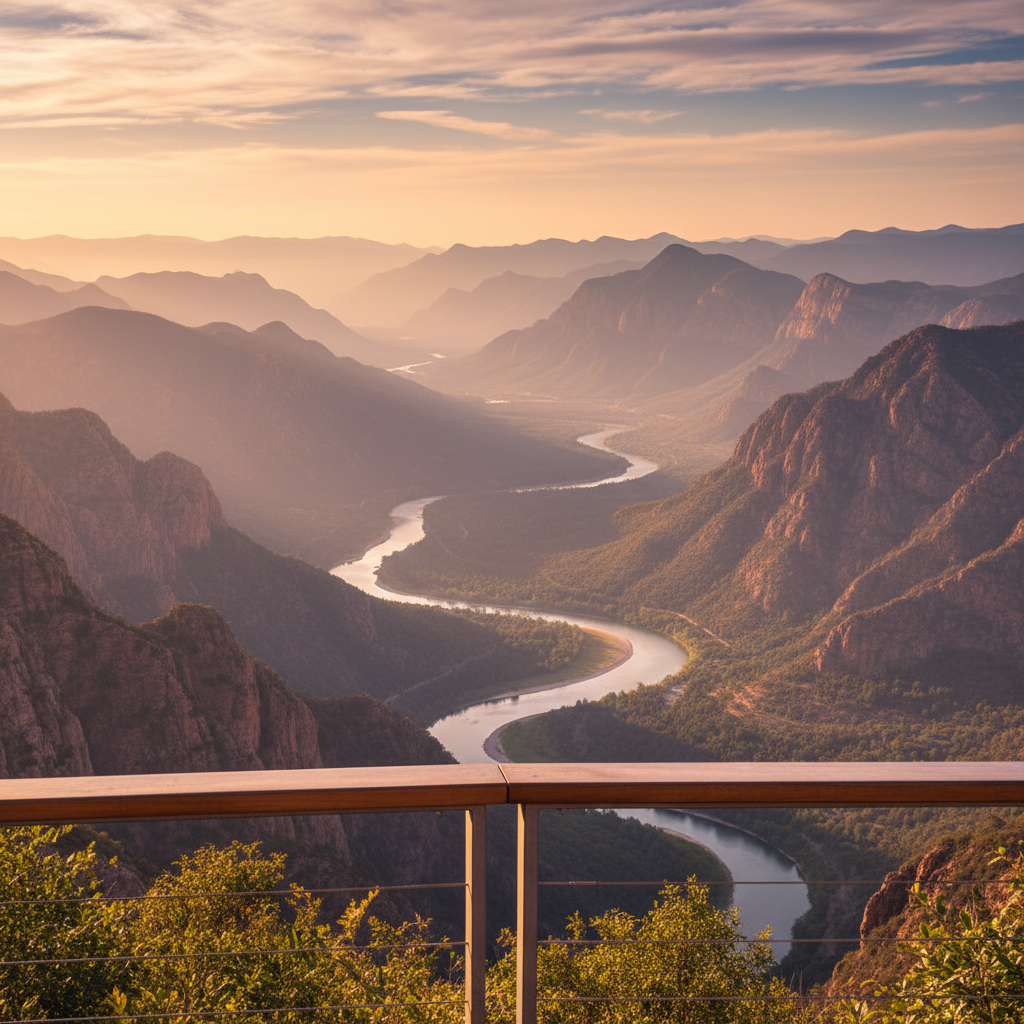
How to choose a scenic valley that actually matches your trip
“Scenic” is subjective, the valley that feels unforgettable on Instagram can feel stressful in person if your priorities differ. Before you pick a pin on the map, decide what you want the valley to do for you.
- Big rock drama: vertical walls, waterfalls, famous overlooks, more crowds.
- Alpine calm: meadows, lakes, quieter trails, fast-changing weather.
- Road-trip friendly: easy pullouts, short hikes, photogenic drives.
- Culture + scenery: villages, food, local transit, guided day trips.
Also check “friction” factors early, permits, shuttle systems, wildfire season, and altitude. According to National Park Service guidance, many popular parks use timed entry or reservation systems during peak periods, so availability can shape your whole itinerary.
Top valley travel destinations (scenic picks, quick context)
If you want a shortlist, here are valleys that reliably deliver on scenery, plus what you’re really signing up for when you go.
Yosemite Valley, California
Classic granite walls and waterfall viewpoints, the tradeoff is popularity. Shoulder seasons often feel more breathable, while summer can mean traffic and limited parking.
Hetch Hetchy (Yosemite area), California
Not the famous valley, but a strong alternative if you want big views and fewer people. Expect fewer services and more “bring what you need” logistics.
Jackson Hole Valley, Wyoming
More than a base for Grand Teton, it’s a scenic valley with wildlife viewing and easy access to lakes. Costs can rise quickly in peak summer.
Glacial valleys in Glacier National Park, Montana
High-impact scenery with alpine lakes and rugged ridgelines, plus strict seasonality. Parts of the park can be hard to access without planning ahead.
Blue Ridge mountain valleys, Virginia & North Carolina
Less “one iconic viewpoint,” more a string of overlooks, small towns, and mellow hikes. Great for a flexible road trip and fall color.
Lauterbrunnen Valley, Switzerland
A poster-child valley with cliffs and waterfalls, plus rail convenience. It’s easy to visit without a car, but lodging fills early in summer.
Khumbu Valley (Everest region), Nepal
For trekkers, this is bucket-list scenery, but it’s not casual. Altitude and weather can change plans, and you may want a reputable guide service.

Comparison table: season, vibe, and planning effort
Use this as a fast filter. “Planning effort” isn’t about difficulty, it’s about how much advance work typically pays off.
| Valley | Best window (typical) | Best for | Planning effort |
|---|---|---|---|
| Yosemite Valley (CA) | Apr–Jun, Sep–Oct | Iconic views, short hikes | High (permits, lodging) |
| Jackson Hole (WY) | Jun–Sep | Wildlife, lakes, road trips | Medium (pricing, bookings) |
| Glacier NP valleys (MT) | Late Jun–Sep | Alpine lakes, big hikes | High (access windows) |
| Blue Ridge valleys (VA/NC) | Sep–Nov | Fall color, flexible drives | Low–Medium |
| Lauterbrunnen (CH) | Jun–Sep, Dec–Mar | Waterfalls, easy transit | Medium (lodging) |
| Khumbu Valley (NP) | Mar–May, Oct–Nov | Trekking, high mountains | High (altitude, logistics) |
Quick self-check: which valley style fits you?
If you’re torn between multiple valley travel destinations scenic lists, this kind of honest self-check saves time and money.
- You have 2–4 days and want guaranteed “wow” viewpoints: prioritize a famous valley with lots of short trails and overlooks.
- You dislike crowds but still want dramatic scenery: look for adjacent areas, shoulder season, or valleys without a single “main” viewpoint.
- You’re traveling with kids or mixed mobility: choose valleys with shuttle systems, flat paths, and frequent pullouts.
- You want a challenge: pick a trekking valley where the scenery scales with effort, but budget extra buffer days.
- You’re budget-sensitive: focus on drive-to valleys, off-peak lodging, and places where day hikes replace paid excursions.
Practical planning steps (that prevent most regrets)
It’s tempting to plan valleys like cities, book a hotel, show up, “figure it out.” With popular scenic valleys, that approach can work, but it often costs you the best sunrise spot, the easiest parking, or even entry.
1) Lock the “access rules” before anything else
- Check if timed entry, shuttles, or permit quotas apply, then build the itinerary around those constraints.
- Skim official park pages, not just blogs. According to National Park Service trip planning resources, conditions, closures, and reservation requirements can change by season.
2) Build a simple day structure
- Morning: one signature viewpoint or hike, start early.
- Midday: shaded trails, museums, or a long lunch when lots of people arrive.
- Late afternoon: short scenic drive, picnic, or a second overlook.
3) Choose 1 “must” and 2 “nice-to-have” stops per day
Valleys look close on a map, but parking, weather, and trail conditions add friction. A lighter plan usually feels better than a packed one.
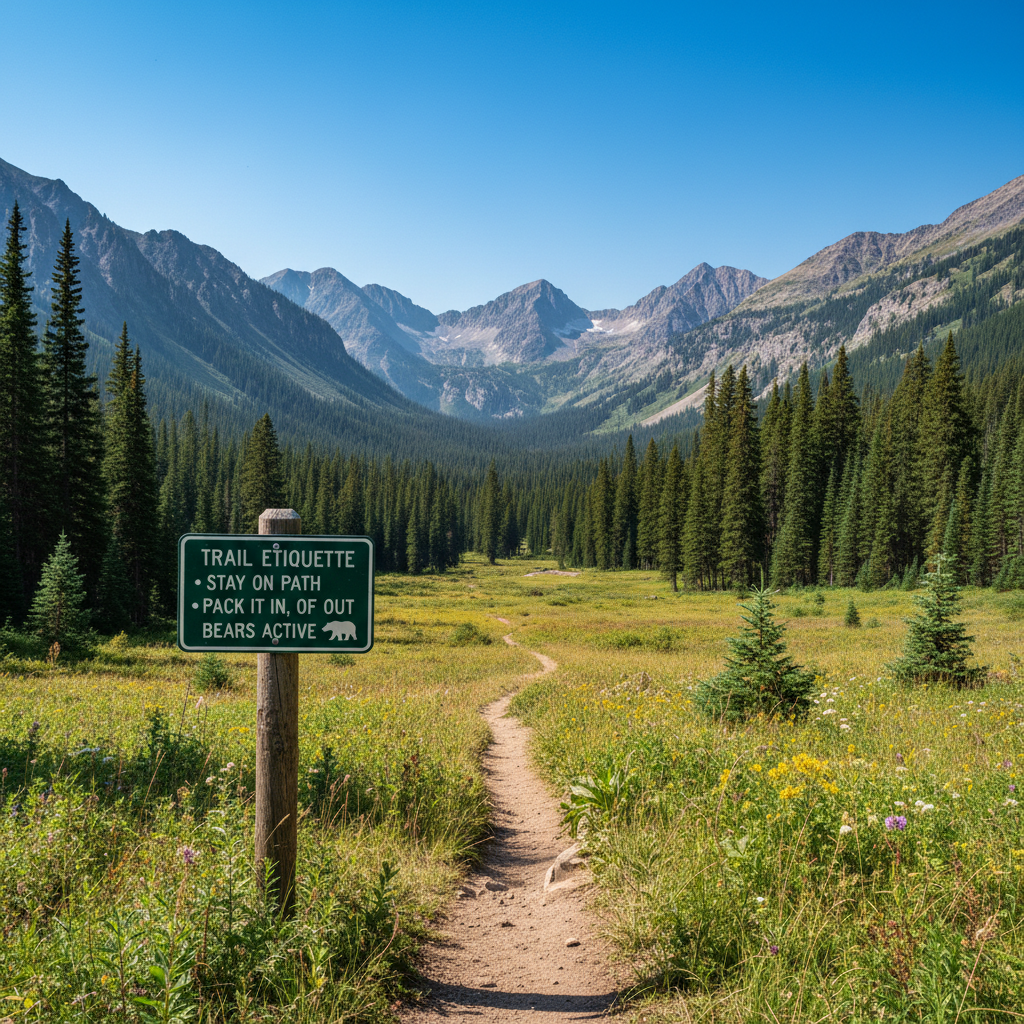
Safety, comfort, and “don’t ruin the trip” details
Valleys can be deceptively intense, weather funnels, rockfall zones, river crossings, altitude swings. You don’t need to be anxious, but you do need a basic plan.
- Weather shifts: pack layers even in summer, valley floors can heat up while higher viewpoints run cold.
- Wildfire smoke: in the U.S. West, smoke can reduce views and irritate lungs. According to U.S. Environmental Protection Agency, AQI guidance helps you decide whether to limit outdoor exertion when air quality drops.
- Altitude: if you’re heading to high-elevation valleys, symptoms like headache or nausea can happen. If you have health concerns, consider asking a medical professional before pushing hard.
- Water + sun: valley hikes often feel easy until heat bounces off rock walls, bring more water than you think you’ll need.
- Wildlife distance: treat “close” sightings as a warning, not a photo opportunity.
Common mistakes people make with scenic valley trips
- Over-prioritizing the most famous viewpoint and skipping the early start, the same spot can feel magical at 7 a.m. and miserable at 1 p.m.
- Assuming a valley is one-size-fits-all, some are best as a basecamp, others are better as a day trip.
- Ignoring transit realities, shuttles can be amazing, but only if you know the first/last run times.
- Planning too many long drives inside big parks, “20 miles” can mean an hour plus stops and traffic.
If your goal is “photos plus relaxation,” choose fewer locations and give each one space, that’s how scenic trips start to feel restorative.
Key takeaways (save this before you book)
- Pick your valley type first, iconic rock walls, alpine calm, road-trip scenery, or culture-plus-views.
- Shoulder seasons often win for comfort and crowd levels, but services may be reduced.
- Check official access rules early, many popular spots now depend on reservations or shuttles.
- Plan lighter days, one must-do plus a couple flexible options usually works best.
- Respect conditions like smoke and altitude, the view is not worth a bad health call.
Conclusion: pick one valley and plan for the experience, not the checklist
Most people don’t need more options, they need a clearer match between time, season, and what “scenic” means to them. If you start with that, valley travel destinations scenic planning becomes simpler, and the trip feels less like a race.
Action idea, choose one primary valley for your next trip, then add a nearby backup that works if weather, crowds, or access rules change.
FAQ
What are the best valley travel destinations scenic for a first-time visitor?
Yosemite Valley is the obvious first pick if you can handle crowds and planning, while Blue Ridge valleys are a gentler entry point with easier logistics and lots of viewpoints.
When is the best time to visit Yosemite Valley for scenery without peak crowds?
Many travelers prefer spring or early fall, you often get strong waterfall flow in spring and clearer, cooler days in fall, but you still need to watch reservation requirements.
Which scenic valleys work best for a road trip from the U.S.?
Blue Ridge regions are built for road-trip pacing, and Jackson Hole also works well if you’re comfortable with longer distances between stops.
How do I avoid parking and traffic stress in popular valleys?
Stay nearby when possible, start early, and lean into shuttles where available. If a park has timed entry, build your day around the entry window instead of fighting it.
Are scenic valley hikes safe for beginners?
Often yes, but safety depends on conditions and route choice. Start with short, well-marked trails, check official alerts, and turn around if weather or footing changes.
What should I pack for a valley trip in changing weather?
Layers, sun protection, water, and a basic navigation backup. Even in “easy” valleys, temperature swings and afternoon storms can surprise people.
How can I plan around wildfire smoke in the western U.S.?
Monitor AQI and be flexible with viewpoints and hike intensity. If air quality drops, consider shorter outings or shifting to higher-wind areas, and follow EPA guidance for outdoor activity.
If you’re narrowing down a few valley options and want a more streamlined plan, a simple approach is to share your dates, comfort with hiking, and whether you prefer iconic viewpoints or quieter trails, then build a short list that fits your time instead of forcing a “greatest hits” itinerary.