
Dog sledding travel experience planning usually starts with one big question: what will this actually feel like, and how do you avoid a trip that looks magical online but feels stressful in real life. The good news is most of the “stress points” are predictable, gear, weather, fitness expectations, and choosing a responsible outfitter.
If you’re traveling from the U.S., you’re also juggling logistics that can sneak up late: cold tolerance, flight connections to remote towns, and the difference between a quick scenic loop and a true multi-day mushing trip. Those details change your budget, packing list, and even how sore you’ll feel the next day.
This guide focuses on the decisions that matter most: where to go, what kind of trip fits your comfort level, how to evaluate outfitters, and what to bring so you can enjoy the ride instead of managing problems.
What a Dog Sledding Trip Really Feels Like (So You Can Pick the Right Style)
A dog sledding travel experience can be quiet and meditative or surprisingly athletic, depending on terrain, temperature, and whether you’ll drive the sled or ride as a passenger. A lot of disappointment comes from mismatched expectations, not “bad” tours.
- Scenic loop (30–90 minutes): low commitment, good for first-timers, usually includes a quick intro and photo time.
- Half-day to full-day tour: more time on runners, higher chance you’ll help with basic handling, more exposure to weather.
- Overnight or multi-day expedition: the closest thing to classic mushing, often includes camp or cabin nights, and requires stronger comfort with cold and roughing it.
One more reality check: you might not “fly” across pristine lakes the whole time. Some routes include forest trails, rolling terrain, and occasional stops for safety or dog breaks. That’s normal.
Choosing Where to Go: Alaska vs. Lower 48 vs. Canada/Iceland
For U.S. travelers, location is less about bragging rights and more about travel friction and snow reliability. In many seasons, snowpack can vary by region and month, so your timing matters as much as your map pin.
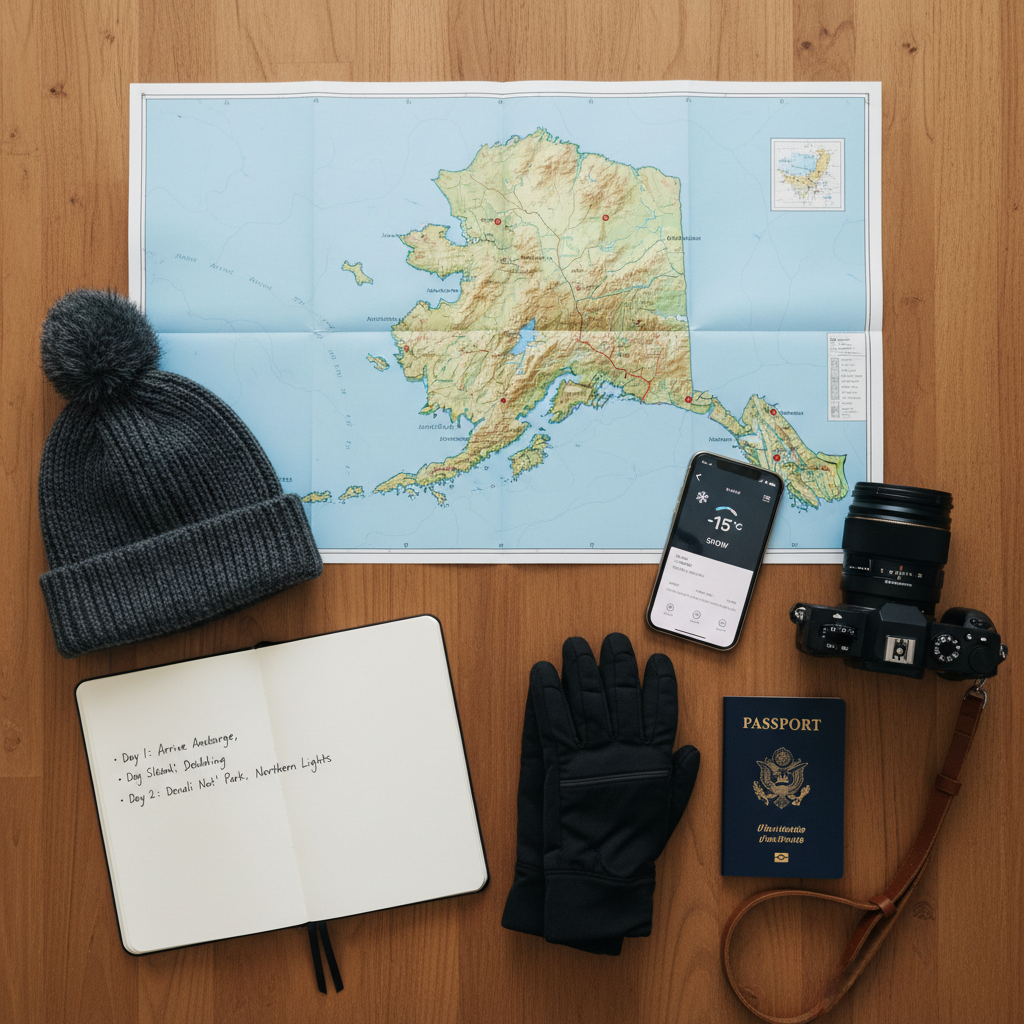
- Alaska: iconic, lots of established operators; good options near Anchorage, Fairbanks, and Juneau (some are cruise-friendly). Interior Alaska often delivers colder, “true winter” conditions.
- Lower 48 (limited areas): can be convenient, but snow reliability varies by year; some outfitters use higher elevations or backup routes.
- Canada: strong mushing culture in many regions; often excellent for longer trips.
- Iceland/Scandinavia: popular for “winter vacation packages,” sometimes with a more curated, resort-adjacent feel.
According to NOAA (National Oceanic and Atmospheric Administration)... local winter conditions can shift quickly, which is why asking about typical temperatures and wind exposure in your specific tour area is more useful than looking only at city forecasts.
How to Vet an Outfitter Without Overthinking It
The operator is the difference between a smooth day and a chaotic one. For a dog sledding travel experience, “great marketing” and “great operations” don’t always match, so it helps to use a simple screen.
Quick checklist you can actually use
- Safety briefing is standard: they explain braking, tipping, spacing, and what to do if you fall.
- Clear dog care practices: rest breaks, hydration, and how they manage heat or extreme cold.
- Transparent logistics: meeting point, transport, clothing provided, restroom access, and minimum age/weight guidance.
- Small-enough group management: you can ask questions and get help if you’re nervous.
- Weather and trail policy: they explain what happens if conditions aren’t safe, including rescheduling or refunds.
If you want an outside reference point, look for affiliation with recognized local or regional sled dog organizations where applicable. It’s not a guarantee, but it often signals the outfitter participates in community standards rather than operating in isolation.
What to Pack (and What Most People Forget)
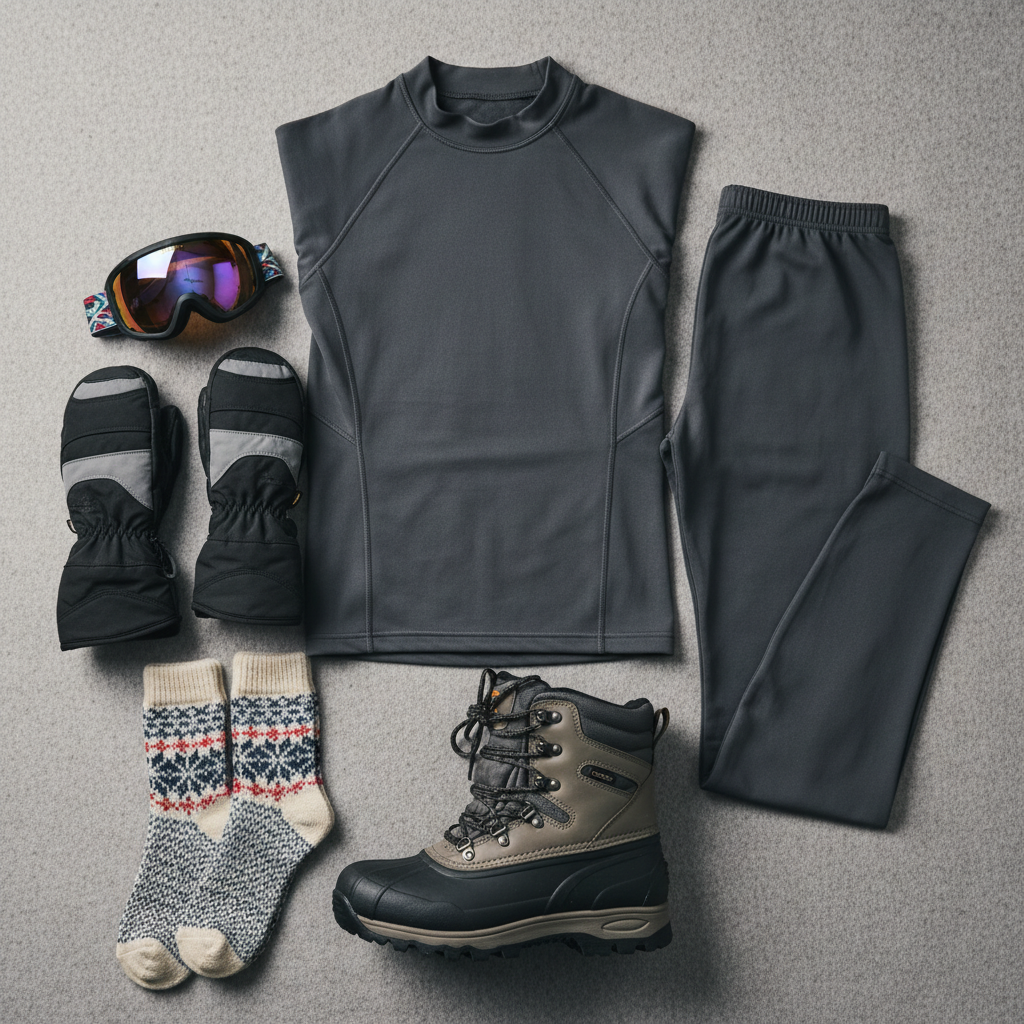
Your comfort mostly comes down to hands, feet, and face coverage. Even if the operator provides a parka and boots, you’ll still want personal layers that fit well and don’t trap sweat.
Core packing list
- Base layers: moisture-wicking top and bottom (avoid cotton for cold outdoor activity).
- Mid-layer: fleece or light down, depending on temperature.
- Socks: one warm pair, not two tight pairs; tight socks can reduce circulation.
- Gloves or mittens: mittens are often warmer; bring liners if you’ll take photos.
- Neck gaiter + hat: wind is what usually “wins,” not just temperature.
- Eye protection: sunglasses or goggles if it’s bright or windy.
Easy-to-miss items
- Hand warmers for photo stops and long rides
- Lip balm and a small moisturizer (windburn is real)
- A spare battery or warm pocket for your phone, cold drains power fast
- A small dry bag if snow is blowing into the sled
Matching the Trip to Your Fitness, Comfort, and Travel Party
Not every dog sledding travel experience asks the same thing from your body. If you have knee, hip, or back sensitivity, or you’re traveling with kids or older adults, choose a tour where “riding” is a fully acceptable option and where terrain is smoother.
- Good for families: shorter loops, daytime tours, warm-up shelter on-site.
- Good for adventure travelers: longer mileage, colder regions, driver participation.
- Good for cautious first-timers: small groups, strong guide-to-guest ratio, clear expectations on speed and stops.
Any medical considerations, pregnancy, recent injuries, or circulation issues deserve a quick check-in with a clinician. Tour operators can share typical physical demands, but they can’t evaluate personal risk.
Cost, Time, and What You Usually Get: A Practical Comparison
Prices swing widely by region, season, and how remote the operation is. Instead of hunting for a universal number, compare what’s included and what costs extra, transport, clothing, photos, and gratuities can change the total.
Key takeaway: a “cheaper” tour can cost more if you need to buy gear or arrange expensive transfers.
| Trip type | Typical duration | Best for | Common inclusions | Common add-ons |
|---|---|---|---|---|
| Scenic loop | 30–90 min | First-timers, tight schedules | Guide, brief instruction, short ride | Cold-weather gear, photos |
| Half/full day | 3–8 hrs | Hands-on learners | Trail time, breaks, sometimes lunch | Transport, upgraded clothing |
| Overnight/multi-day | 1–7 days | Adventure travel | Guide team, lodging plan, meals vary | Special gear, baggage transfers |
On-the-Day Tips: How to Get the Best Ride (and Better Photos)
If your goal is “memorable and calm,” the best moves happen before the dogs even leave the kennel. Show up early enough that you’re not rushing through the briefing, stress tends to cascade once you’re on the runners.
- Keep your core warm, not sweaty: open a zipper during setup, then close it before the ride.
- Listen for spacing rules: following too close is a common reason for tangles and tips.
- Ask where to stand: dogs can be excited at the start, guides usually have a “safe zone.”
- Photo strategy: take quick shots at the start, then enjoy the ride; save the “perfect” portraits for stops.
- Respect the dogs’ focus: some teams love attention, others are all business, follow the guide’s cues.
According to NPS (National Park Service)... winter safety messaging often emphasizes layered clothing, hydration, and awareness of changing conditions. That advice fits here too, especially on windy days when exposure feels more intense than you expected.
Common Mistakes That Make the Experience Worse
Most issues don’t come from dramatic accidents, they come from small choices stacking up. If you avoid these, your dog sledding travel experience usually feels smoother.
- Over-layering early: sweat in the first 10 minutes can turn into chills later.
- Ignoring hand warmth: cold hands ruin everything, even if the rest of you feels fine.
- Picking a tour by “minutes on sled” only: the best operators spend time on instruction and safety.
- Assuming all tours are ethical by default: ask direct questions about rest, vet care, and off-season routines.
- Underestimating transport time: remote kennels can add a long shuttle each way.
When to Ask for Extra Help or Choose a Different Option
If you’re uncertain about cold exposure, balance, or injury risk, it’s smart to ask the outfitter to recommend a specific tour format rather than forcing a “bucket list” version. A reputable team will steer you toward what you can enjoy safely, even if it’s less expensive or less intense.
- Consider a shorter ride if you have balance concerns or significant anxiety about speed.
- Ask about trail smoothness if you have back or neck sensitivity.
- Consult a medical professional if you have heart/lung conditions, circulation problems, or recent surgery.
Conclusion: A Better Trip Comes From Fewer Surprises
A good dog sledding travel experience feels simple while you’re in it, because the hard thinking happened before you arrived: pick the right style of tour, pack for hands and wind, and choose an outfitter that communicates clearly. If you do those three things, the “magic” part shows up on its own, usually when you stop trying to micromanage it.
Action steps: shortlist two operators, email them the same five questions about safety, dog care, weather policy, included gear, and group size, then book the one with the clearest answers, not the flashiest photos.
FAQ
What should I wear for a dog sledding tour if gear is provided?
Even with provided boots and a parka, bring your own base layers, warm socks, and a neck gaiter. Fit and comfort matter, and personal layers help you adjust without overheating.
Is dog sledding ethical, and what should I ask an outfitter?
Ethics can vary by operator, so ask how often dogs run, what rest looks like, who provides veterinary care, and what happens in the off-season. A responsible outfitter usually answers plainly and welcomes questions.
How cold is “too cold” for a dog sledding trip?
There isn’t one universal cutoff because wind, humidity, and your health all change the risk. Ask the operator what conditions trigger route changes or cancellations, and consider medical guidance if you have health concerns.
Do I get to drive the sled during a typical experience?
Some tours let guests drive for a portion, others are ride-only for safety and flow. Confirm this before booking, especially if driving is a priority for you.
How physically demanding is a dog sledding travel experience?
Short scenic rides are usually light effort, but longer trips can involve standing for extended periods, helping with the sled, and managing cold exposure. If you’re unsure, pick a tour with flexible participation.
What’s the best time of year to go dog sledding in Alaska?
Many travelers aim for mid-winter through early spring, but timing depends on snowfall and daylight where you’re going. Instead of relying on general season labels, ask operators about typical trail conditions for your dates.
Can kids go dog sledding?
Often yes, but age, height, and safety rules vary. Ask about minimum age, seating, helmet use if applicable, and how they handle families in mixed groups.
If you’re planning a winter trip and want a more predictable, less stressful booking process, it can help to share your dates, destination, and comfort level with an outfitter early, many will recommend a tour format that matches your group instead of pushing you into the most intense option.