
Food festival travel spots can feel like a gamble, you book flights and hotels, show up hungry, then realize the best bites are hidden behind long lines, sold-out tastings, or a scene that’s more selfie than flavor. The good news is you can tilt the odds in your favor with a few practical checks before you go.
This guide is built for U.S. travelers who want a trip that actually revolves around eating well, not just “being near food.” I’ll cover what makes a festival city worth the time, how to match a destination to your style, and the small planning moves that keep the weekend fun instead of frantic.
One quick reality check, festivals change year to year, vendors rotate, and weather can reshape the whole day. So think in terms of picking a strong food city plus a festival window, then planning your meals like you would plan a concert weekend.
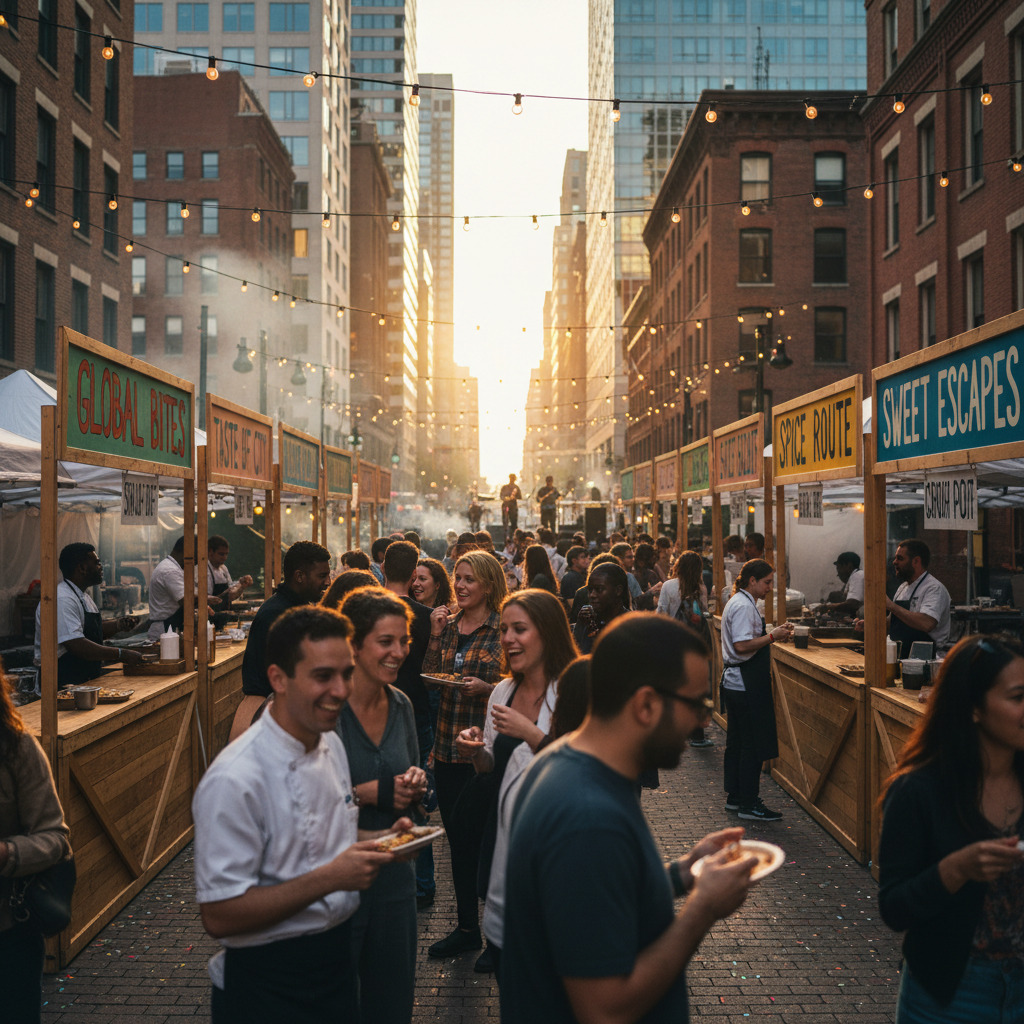
What makes a “good” food festival trip (beyond the festival itself)
A festival is only part of the experience. The better food festival travel spots usually share a few traits that matter when you land and start eating.
- Deep bench of everyday restaurants: if the festival disappoints, the city still feeds you well.
- Walkable food neighborhoods: less time in rideshares, more time tasting.
- Local specialties you can’t copy at home: regional seafood, barbecue styles, immigrant food hubs, farm-to-table scenes.
- Good “between events” options: bakeries, markets, coffee, late-night food.
- Reasonable logistics: airports, public transit, hotel density near venues.
According to the U.S. Travel Association, culinary experiences are a meaningful driver of travel decisions for many visitors, which matches what you see on the ground: the cities that win are the ones where food feels like part of daily culture, not a once-a-year showcase.
A quick map of top food festival travel spots (and what they’re best for)
Rather than name one “best” destination, it’s more useful to match a city to your eating style. This table groups popular U.S. food-centric destinations by what travelers typically love about them.
| Destination | Best for | When it shines | Planning tip |
|---|---|---|---|
| New Orleans, LA | Creole/Cajun classics, cocktails, late-night bites | Cooler months, big event weekends | Book restaurants early, lines get real fast |
| Austin, TX | BBQ, food trucks, modern Southern | Spring and fall festival seasons | Split days by neighborhoods to avoid traffic |
| Portland, OR | Chefs’ counter culture, coffee, beer, carts | Late spring through early fall | Build a “backup list” for rain days |
| Charleston, SC | Lowcountry seafood, refined Southern | Shoulder seasons with mild weather | Consider staying near downtown for walkability |
| San Francisco Bay Area, CA | Global food, markets, wine country add-on | Year-round, depending on the event | Transit beats driving in the city core |
| Chicago, IL | Big-city variety, iconic local staples | Summer festival season | Plan around heat, water and shade matter |
If you’re traveling mainly for a specific event, check the festival’s vendor list and past year programming. If you’re traveling mainly to eat, pick the city first, then treat the festival as a bonus anchor on the itinerary.
How to choose the right festival trip for your taste and tolerance
Here’s the part people skip: your enjoyment depends as much on your “festival tolerance” as on the food.
Fast self-check (2 minutes)
- Lines: Do you happily wait 30–60 minutes for one bite, or does that ruin your mood?
- Heat/cold: Are you okay eating outside for hours?
- Alcohol focus: Are you going for tastings, cocktails, and pairings, or mostly for food?
- Dietary needs: Gluten-free, vegetarian, allergies, or low FODMAP, will you have enough safe options?
- Social energy: Do you want a packed crowd vibe, or a calmer, ticketed format?
If you hate lines and crowds, look for formats that use timed entry, smaller venues, or multi-day programming where you can go early. If you love variety and don’t mind chaos, street-fair style events can be perfect.
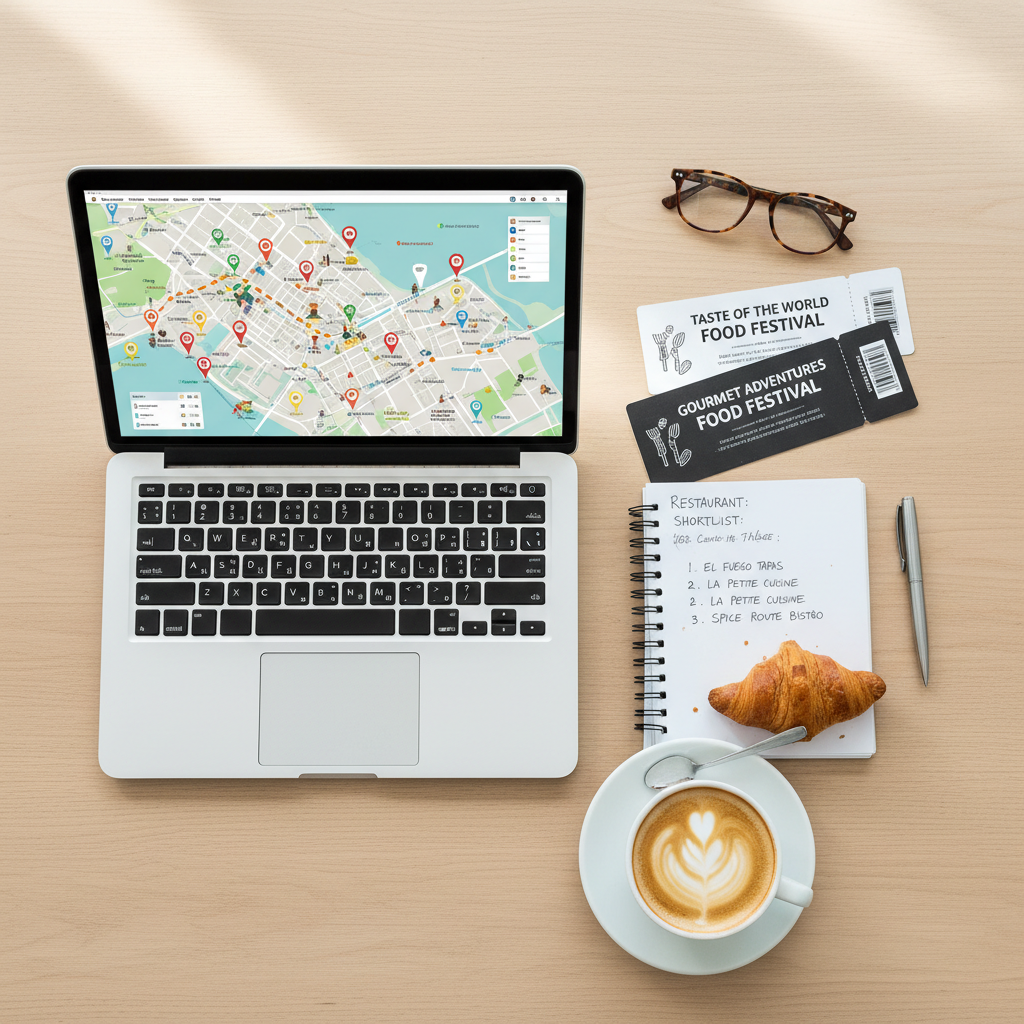
Practical planning that saves the trip (tickets, timing, budget)
Most “bad festival trips” are really planning problems. A few moves usually fix 80% of the stress.
Timing moves that work
- Arrive a day early if the festival is the main reason you’re flying, delays happen and you don’t want to miss the best window.
- Go early on day one for popular vendors, later in the day for music and hangout energy.
- Schedule one real sit-down meal each day, it breaks up grazing and gives your body a reset.
Budget moves that don’t feel restrictive
- Set a tasting cap per person, then keep one “wild card” amount for surprises.
- Price the weekend with “hidden basics” included: water, rideshares, tip, parking, ice, sunscreen.
- Split costs strategically: one ticketed tasting, one market crawl, one iconic restaurant.
According to the CDC, handwashing is one of the most effective ways to prevent the spread of germs. In festival settings, that translates to carrying sanitizer and using wash stations, not because you should worry constantly, but because you’ll touch menus, railings, and payment screens all day.
On-the-ground strategy: how to eat more (and regret less)
This is where food festival travel spots either shine or fall apart, it depends on whether you treat the day like a sprint. Don’t. Treat it like a long tasting menu where you control the pacing.
- Start with a “baseline bite”: something filling and not too spicy, so later tastes stay enjoyable.
- Share aggressively: two people can sample double the vendors if you split items.
- Ask vendors what’s fastest: many booths have one item that moves quicker without sacrificing quality.
- Hydrate early: if alcohol is involved, alternate drinks and food.
- Use a notes app: record vendor names and what you loved, you’ll forget fast.
If you have allergies or medical dietary restrictions, it’s smart to speak directly with vendors about ingredients and cross-contact. Many try to help, but festival kitchens can be tight, so a cautious approach and, when appropriate, guidance from a clinician may be warranted.
Common mistakes that quietly ruin food festival trips
These are the patterns that show up again and again, even among experienced travelers.
- Over-indexing on hype: the longest line is not automatically the best bite.
- Skipping the city’s everyday food: you fly somewhere famous for eating, then only eat inside the festival gates.
- No plan for weather: heat can kill appetite, rain can kill mobility, pack for both if the forecast wobbles.
- Trying to “win”: you don’t need to taste everything, you need to enjoy what you taste.
- Booking the cheapest hotel far away: saving $40/night can cost you hours and rideshare money.
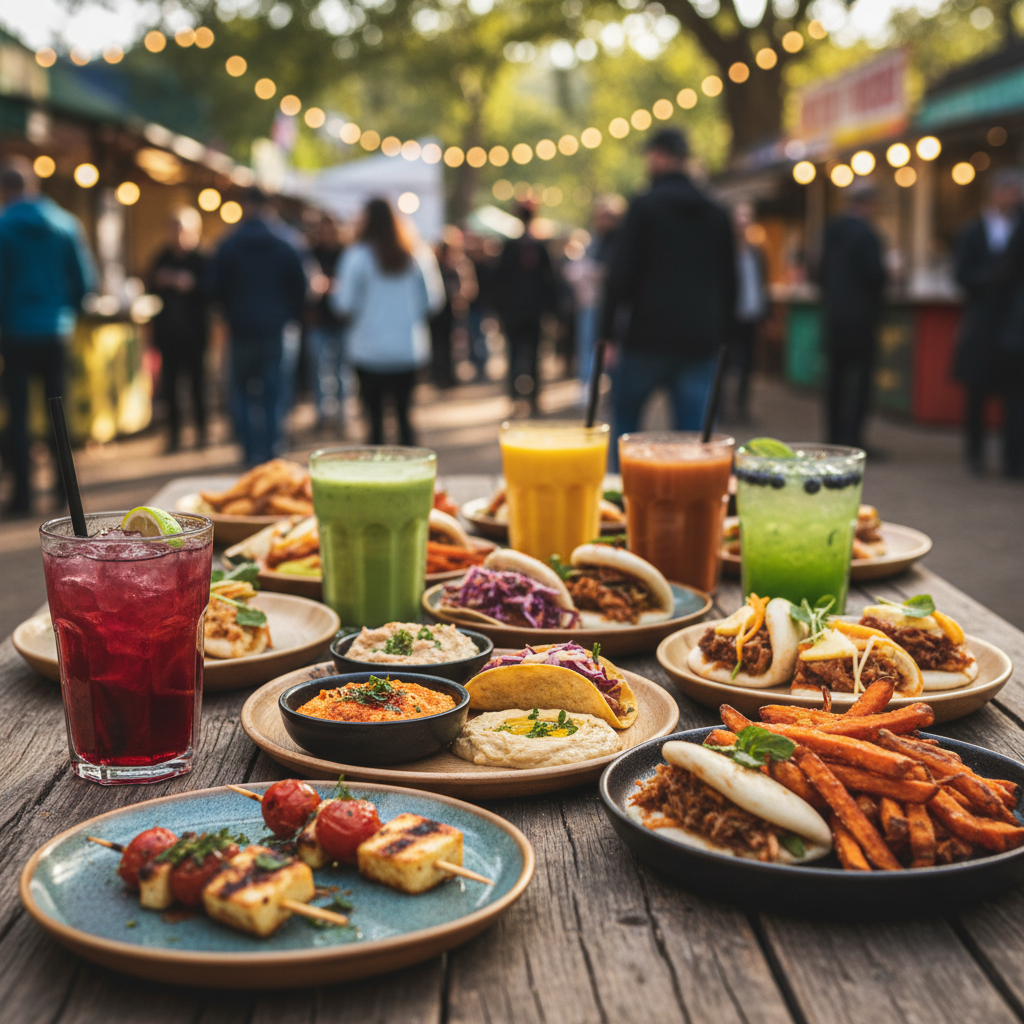
Build a simple 3-day itinerary template (works in most cities)
If you want a plug-and-play plan, this structure fits many weekends and keeps you from burning out.
Day 1: Arrival + neighborhood warm-up
- Check in, then do a market or bakery stop for something local.
- One dinner reservation near where you’re staying.
Day 2: Festival day + one anchor meal
- Arrive early, hit 3–5 priority vendors.
- Midday break for a real meal or at least a seated reset.
- Back for music, demos, or second pass at favorites.
Day 3: Brunch + “souvenir food”
- Brunch where the city shines, then pick up spices, sauces, coffee, or snacks to take home.
- Leave time for airport traffic and one last bite.
Key takeaway: the best trips usually mix one high-energy festival day with calmer neighborhood eating, so you remember flavors, not just crowds.
Conclusion: pick the city like a foodie, plan like a realist
Great food festival travel spots aren’t only about the marquee event, they’re about landing in a place where you can eat well even when plans shift. Choose a destination with strong everyday restaurants, sanity-check your crowd tolerance, then build a weekend that includes both festival tasting and a couple of sit-down meals.
If you do one thing today, pull up the festival map and mark five “must-try” vendors, then make one backup list of nearby restaurants. That little bit of structure tends to turn a chaotic weekend into a trip you’d happily repeat.
FAQ
What are the best food festival travel spots in the U.S. if I hate crowds?
Look for cities that host smaller, ticketed events with timed entry, and plan to go at opening hours. You’ll still get variety, just with fewer shoulder-to-shoulder moments.
How far in advance should I book a food festival trip?
For popular weekends, booking flights and hotels a few months out often reduces stress, especially if the festival overlaps with a major city event. Restaurant reservations may open 2–4 weeks ahead, depending on the venue.
Is it better to buy VIP tickets for food festivals?
Sometimes, but only if VIP meaningfully changes your day, like shorter lines, reserved seating, or better access to tastings. If VIP is mostly a lanyard and a small perk, you may get more value from one great restaurant meal.
How do I find the “real” best vendors before I arrive?
Start with the official vendor list, then check which vendors have brick-and-mortar locations you can visit later if you miss them. Local food publications and neighborhood forums can help, but treat social hype as a lead, not a guarantee.
What should I eat first at a food festival?
Begin with something filling and mild, then move into richer, spicier, or sweeter items. Pacing matters more than people expect, especially if you plan to sample for hours.
Are food festivals safe for people with food allergies?
They can be, but risk varies by vendor setup and crowd volume. Talk with vendors about ingredients and cross-contact, and if you have a serious allergy, it’s wise to follow a plan discussed with a medical professional.
How do I keep a festival weekend from getting too expensive?
Share dishes, set a tasting budget, and anchor the trip with one ticketed experience instead of stacking multiple pricey add-ons. Markets and neighborhood staples often deliver the best value per bite.
If you’re planning food festival travel spots for a birthday weekend, a couples trip, or a friend getaway, and you’d rather not stitch everything together at the last minute, building a simple vendor shortlist plus a neighborhood-based meal plan is usually the most “effort-to-reward” move.