
Big city travel itinerary planning usually breaks down in the same place: you try to “do it all,” then you spend half the trip in transit, hungry, and mildly annoyed. A better first-visit plan is simpler, neighborhood-based, and built around a few anchor experiences.
This guide gives you a realistic framework you can reuse in New York, Chicago, San Francisco, Boston, Seattle, DC, and most other major U.S. cities. You’ll get a flexible schedule, a quick decision checklist, a packing-and-transit setup, and a few guardrails that prevent the most common first-timer mistakes.
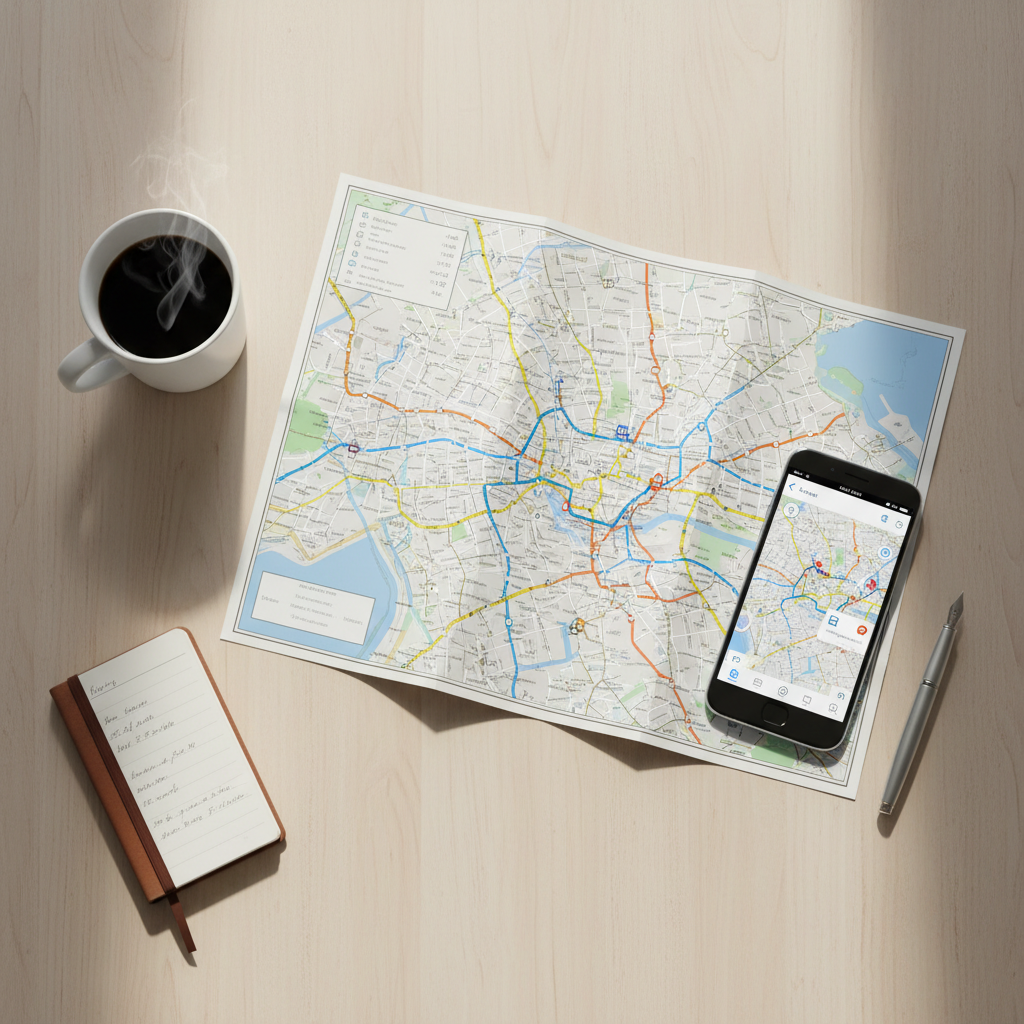
One more thing before we jump in: “big city” can mean wildly different rhythms. Some cities reward early mornings, others come alive late, and weather can reroute your day. So think of this as a playbook, not a rigid script.
Start with the right mindset: anchors, not checklists
For a first visit, you need 3–5 anchors per trip, not 25 pins on a map. Anchors are the handful of experiences you’ll remember: a skyline viewpoint, one iconic museum, one signature meal, a neighborhood stroll, a show or game.
Many people get stuck because they plan by “top 10 attractions” instead of by geography. In most big cities, your day improves fast when you commit to one primary area and one secondary stop, then leave buffer time for lines, weather, and detours.
- Anchor rule: 1 timed ticket + 1 flexible activity + 1 food plan per day.
- Neighborhood rule: cluster stops within 20–30 minutes of each other by transit or walking.
- Energy rule: schedule your “must-do” before 2 pm, then coast.
Quick self-check: what kind of first-time trip are you taking?
Use this to decide how aggressive your big city travel itinerary should be. If you skip this step, you’ll likely overbook day one and underbook day three.
- Trip length: 2 days (tight), 3 days (sweet spot), 4+ days (add day trips or deeper neighborhoods)
- Travel style: museums-heavy, food-focused, outdoors/parks, nightlife, family-friendly
- Mobility: lots of walking ok, or you need frequent breaks and short transfers
- Budget: do you prefer paid attractions or free/low-cost sights?
- Comfort with transit: subway/bus comfortable, or you want rideshare simplicity
If you want a simple rule: if you’re in a new city and you hate feeling rushed, plan 2 major attractions max per day. Everything else becomes optional wins.
A practical 3-day big city travel itinerary (works in most U.S. cities)
Below is a template you can adapt. Swap the examples for your city’s equivalents: “signature museum,” “historic district,” “waterfront,” “food market,” “best skyline view.”
Day 1: Orientation + iconic core
Morning: do a guided overview (walking tour, bus loop, or self-guided landmark walk). This gives you context and helps you stop second-guessing the rest of the trip.
Midday: one marquee attraction with a timed entry ticket. Pick the thing that sells out or has long lines.
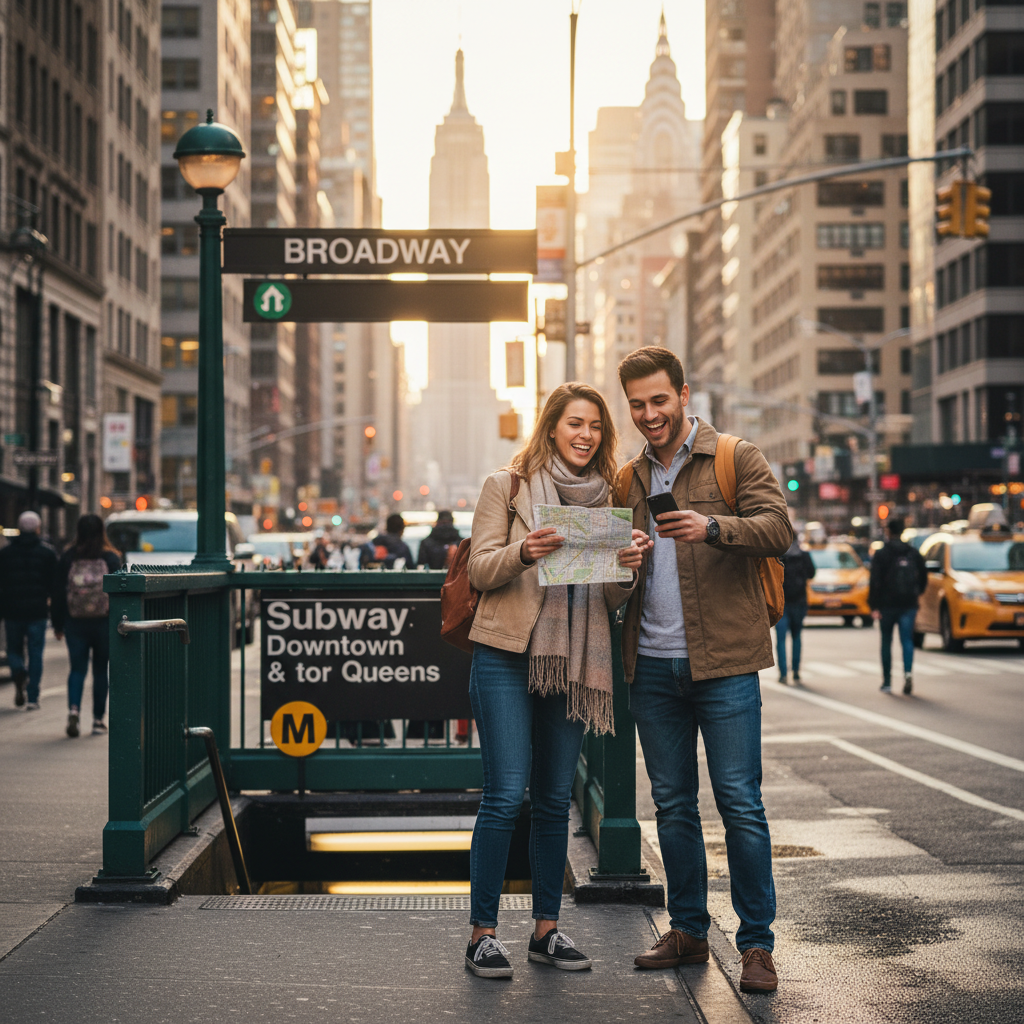
Afternoon: a short neighborhood loop with a coffee stop, then a park or waterfront to reset your legs.
Evening: a “reservation meal” in an easy-to-reach area, then one simple night activity (viewpoint, comedy club, live music) if you still have energy.
Day 2: Neighborhood day (the day that usually becomes your favorite)
Morning: one neighborhood with personality, think markets, local shops, street art, or a signature brunch scene.
Midday: choose between a second museum or an experience block (food tour, architecture cruise, studio visit, bookstore crawl). Keep transfers minimal.
Late afternoon: hotel break. Big cities drain you in a way you don’t always notice until you sit down.
Evening: pick a night neighborhood, go for one “you can only do this here” dinner, then a short walk to end the day.
Day 3: Your missing pieces + one big view
Morning: anything you missed that matters, plus souvenir shopping that doesn’t feel like a trap (museum shop, local maker market, independent stores).
Midday: a flexible slot for weather, lines, or spontaneous recommendations.
Sunset: do the skyline moment here if possible. It tends to be more memorable than squeezing it into day one when you’re still learning the city.
Choose the right areas: a simple neighborhood clustering method
If you’re staring at a map full of pins, do this instead: pick one “home base” area and build day loops around it.
- Home base: safe, transit-connected, plenty of food options, not too far from your top anchors
- Day loop: one core cluster (2–4 stops) + one optional cluster (1–2 stops)
- Transfers: cap at 2 big transfers per day if you want the trip to feel smooth
According to National Park Service trip planning guidance, having a plan and allowing extra time improves visitor safety and overall experience, especially in unfamiliar places. The same logic works in cities: buffer time is not “wasted,” it’s what keeps the day from collapsing when something runs late.
Timing, tickets, and transit: what actually saves time
Most itinerary stress comes from underestimating friction: security checks, elevator lines, platform walks, and “it’s only a mile” turns into 25 minutes with street crossings.
- Book timed tickets for 1–2 headline attractions, usually mornings perform best for crowds.
- Use public transit for longer hops, then walk within a neighborhood to keep it enjoyable.
- Plan lunch off-peak (11:15 or 1:30) to reduce waits in popular areas.
- Carry a backup plan for weather: one indoor museum, one covered market, one café neighborhood.
According to U.S. Department of Transportation (USDOT), staying alert around traffic and using designated crossings reduces pedestrian risk. In practice, that means you should budget time for safer crossings and avoid sprinting between stops just to “make” a schedule.
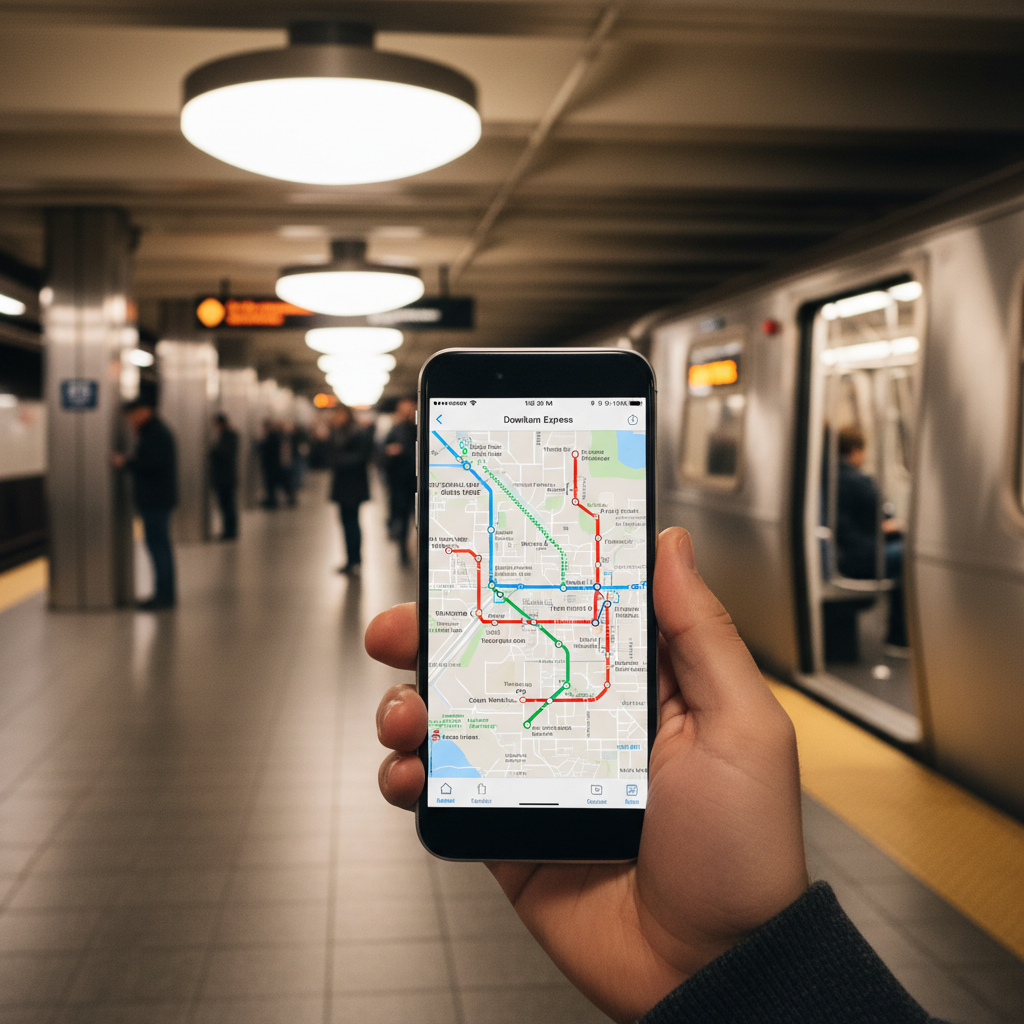
If you’re traveling with kids or anyone who tires easily, this matters more: reduce transfers, choose direct routes, and plan seated breaks as real itinerary items.
Sample planning table (copy, then customize)
This is the simplest structure I’ve seen work for first visits, because it forces you to decide what’s fixed and what’s flexible.
| Day | Morning (Fixed) | Afternoon (Flexible) | Evening (Light) |
|---|---|---|---|
| 1 | Overview tour + 1 timed attraction | Park/waterfront + neighborhood loop | Reservation dinner + short night activity |
| 2 | Neighborhood brunch + local shops | Museum OR experience block | Night neighborhood + dessert stop |
| 3 | Second-chance must-do | Buffer slot for weather/lines | Sunset viewpoint + easy meal |
Common mistakes (and the small fixes that matter)
These are the patterns that make a big city travel itinerary feel harder than it needs to be.
- Mistake: booking every hour. Fix: book one timed thing per day, protect the rest.
- Mistake: bouncing across town for “the best” bakery, taco, photo spot. Fix: eat great food near where you already are, save the cross-city mission for a true obsession.
- Mistake: skipping rest because it feels unproductive. Fix: schedule a 45–90 minute reset, your evenings will improve.
- Mistake: ignoring commute reality. Fix: check travel time at the same hour you’ll actually go.
- Mistake: “We’ll figure it out when we get there.” Fix: decide your top 3 anchors before you arrive, then improvise around them.
If safety concerns come up, trust your instincts. Big cities vary by block, and conditions can change. If you’re unsure about an area late at night, it’s reasonable to take a rideshare or ask hotel staff for current guidance.
Key takeaways for first-time city travelers
- Plan by neighborhood, not by attraction rankings.
- Limit timed commitments so delays don’t domino.
- Put your must-dos early, keep evenings lighter.
- Build in buffer for weather, lines, and your own energy.
If you want an easy next step, open your map, pick one home base neighborhood, then choose three anchors that genuinely excite you. That single move turns planning from chaos into a workable outline.
FAQ
How many days do I need for a first visit to a big city?
Three days usually feels balanced: enough time for iconic sights plus one neighborhood day. Two days can work if you keep transfers low and pick fewer anchors.
What’s the best way to avoid spending the whole trip on transit?
Cluster stops by neighborhood and cap yourself at one “far hop” per day. When in doubt, cut one attraction and add a longer walk in a single area.
Should I buy attraction passes for a first trip?
Sometimes, but only if you’re sure you’ll hit the included sites. If your schedule is flexible or you prefer slower travel, paying à la carte can be less stressful.
How do I choose where to stay without overpaying?
Prioritize transit access and food options over being next to the biggest landmark. A slightly less central area with strong subway or bus connections often feels more livable and can save money.
What if the weather ruins my plan?
Build one indoor anchor per day and keep one “weather swap” list: museum, aquarium, market hall, or a neighborhood with lots of cafés. You’ll still have a good trip, just a different one.
Is it safe to walk everywhere in a big city?
It depends on the city and the specific area. Many popular zones are walkable, but it’s smart to stay alert, avoid poorly lit routes late at night, and ask locals or your hotel about current comfort levels.
How do I plan meals so I’m not always waiting in lines?
Eat slightly earlier or later than peak times, and keep one reservation per day at most. For everything else, pick a food neighborhood and choose based on what looks manageable when you arrive.
Can I use this big city travel itinerary for business travel with a free afternoon?
Yes, just compress it: pick one neighborhood near your hotel, choose one anchor experience, and book a solid dinner. Trying to “see the whole city” between meetings usually backfires.
If you’re planning your first visit and want a more plug-and-play approach, you can turn this into a personalized outline by listing your top three anchors, your preferred pace, and the neighborhoods you’ll stay near, then filling the table for each day without adding extra transfers.