
Airport travel tips matter most when you’re trying to leave on time, keep your bags (and sanity) intact, and avoid the classic last-minute sprint to the gate.
Most “airport problems” aren’t dramatic, they’re small stuff that stacks up, a slow security line, a bag that’s slightly overweight, a boarding pass you can’t pull up because Wi‑Fi drops. This guide is about reducing those friction points, so departure feels boring in the best way.
I’m also not going to pretend every airport works the same, JFK at 6 a.m. and a small regional airport on a Tuesday are different worlds. So I’ll call out what usually applies everywhere, and where you should double-check your airline or airport rules.
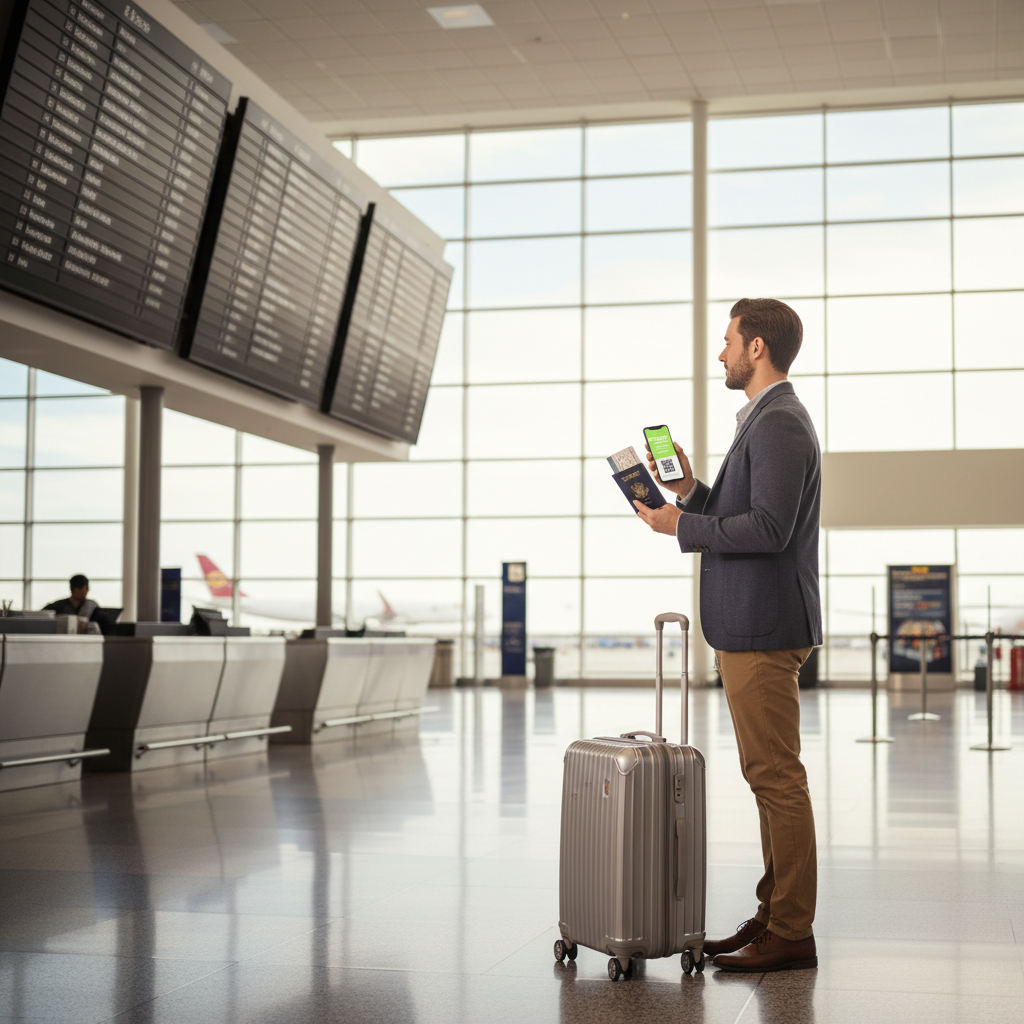
Plan the timing like a pro (without overthinking it)
The biggest departure wins usually come from timing, not fancy hacks. Get the “when should I arrive” question mostly right, and half the stress disappears.
According to the Transportation Security Administration (TSA)... security wait times can change quickly based on staffing and passenger volume, so treat your arrival time as a buffer, not a prediction.
- Domestic flights: many travelers aim for ~2 hours early, then adjust for your airport’s personality and whether you’re checking a bag.
- International flights: ~3 hours early is common, especially when document checks or passport control lines run slow.
- Morning departures: security can be busy even at dawn, because everyone books the same “productive” flight.
If you’re torn between “too early” and “too late,” choose earlier, then spend the extra time past security where the variables shrink.
Use this quick self-check to see where you’re likely to get stuck
Before you leave for the airport, run a fast scan. It takes two minutes and catches the things that cause most missed flights.
- Are you checking a bag, and do you know the airline’s bag drop cutoff time?
- Is your ID compliant for domestic travel (REAL ID or acceptable alternative), and is it physically in your wallet?
- Do you have any liquids, gels, or sharp items that could trigger a bag search?
- Is your boarding pass saved offline or screenshot in case the app fails?
- Are you traveling with kids, medical items, or mobility devices that may add extra steps?
If you checked “yes” to multiple items, build more buffer time and simplify what you can before leaving home.
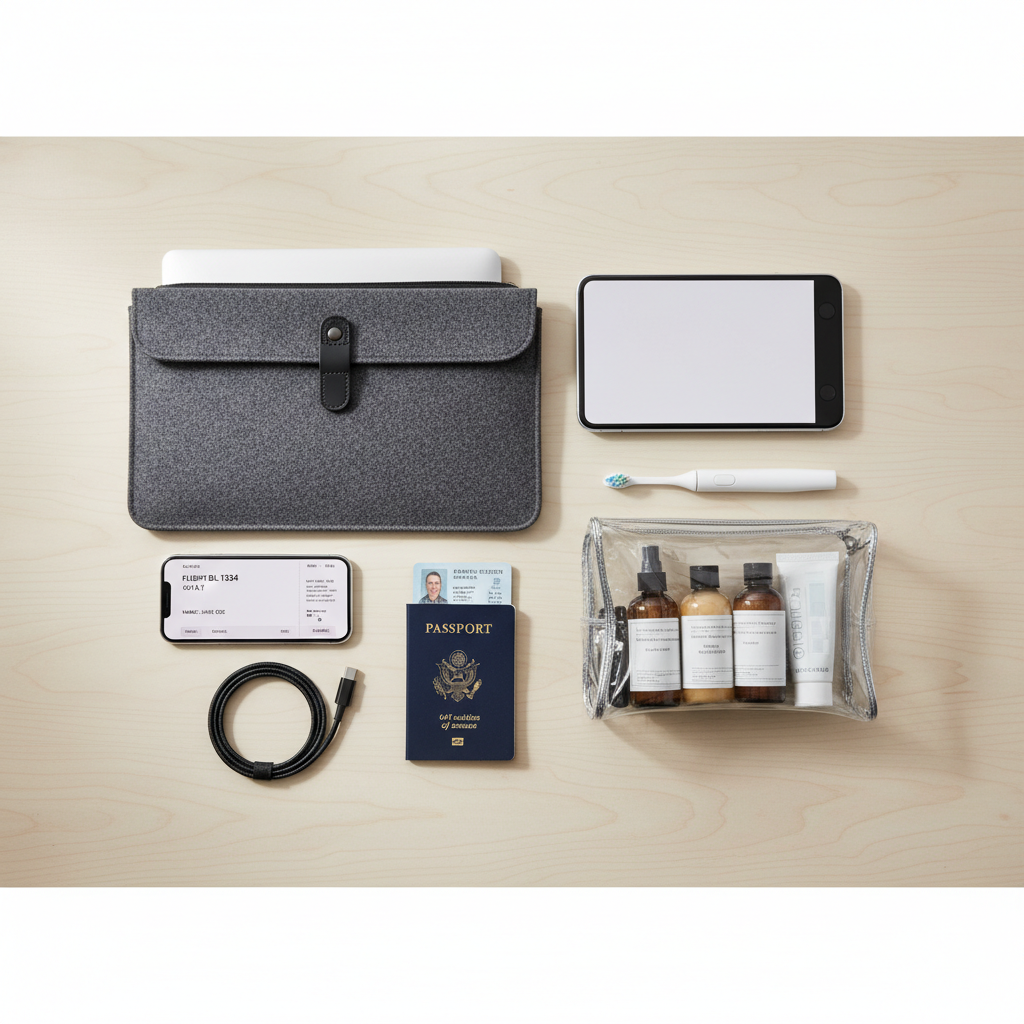
Packing and documents: stop problems before they reach the counter
A lot of airport delays are self-inflicted, usually by luggage rules or missing documents. The fix is boring and predictable, which is exactly what you want on travel day.
Carry-on strategy (practical, not perfect)
- Keep electronics accessible so you can follow checkpoint instructions quickly.
- Use a clear, quart-size liquids bag if you’re not sure what the checkpoint will ask for.
- Pack one “must-have” layer and essentials in carry-on, even if you check a suitcase, delays happen.
Document sanity checks
- For domestic travel, confirm ID requirements. According to the U.S. Department of Homeland Security (DHS)... acceptable identification can vary, and REAL ID rules matter for many flyers.
- For international trips, confirm passport validity, visa rules, and entry requirements with official sources, requirements can change.
- Write down your airline confirmation code somewhere simple, it helps when the app glitches.
Security screening: how to move faster without being “that person”
Security speed is mostly about readiness. The line moves in waves, and the people who slow down are usually doing last-second sorting at the bins.
- Before you reach the bins, empty pockets and decide where phone, keys, and wallet will go.
- Wear shoes that come off easily if your checkpoint often requires it.
- If you travel often, consider whether TSA PreCheck fits your routine. According to TSA... PreCheck can reduce the need to remove shoes, laptops, and liquids in many cases, but checkpoint procedures still vary.
If you’re traveling with medical liquids, baby formula, or special equipment, allow extra time and ask officers how they prefer it presented. In many cases it’s manageable, but the process may take longer.
At the gate: make boarding predictable (and less annoying)
Once you clear security, you’re not “done,” you’re just in a calmer place to prevent the next set of problems: gate changes, boarding group confusion, and overhead bin chaos.
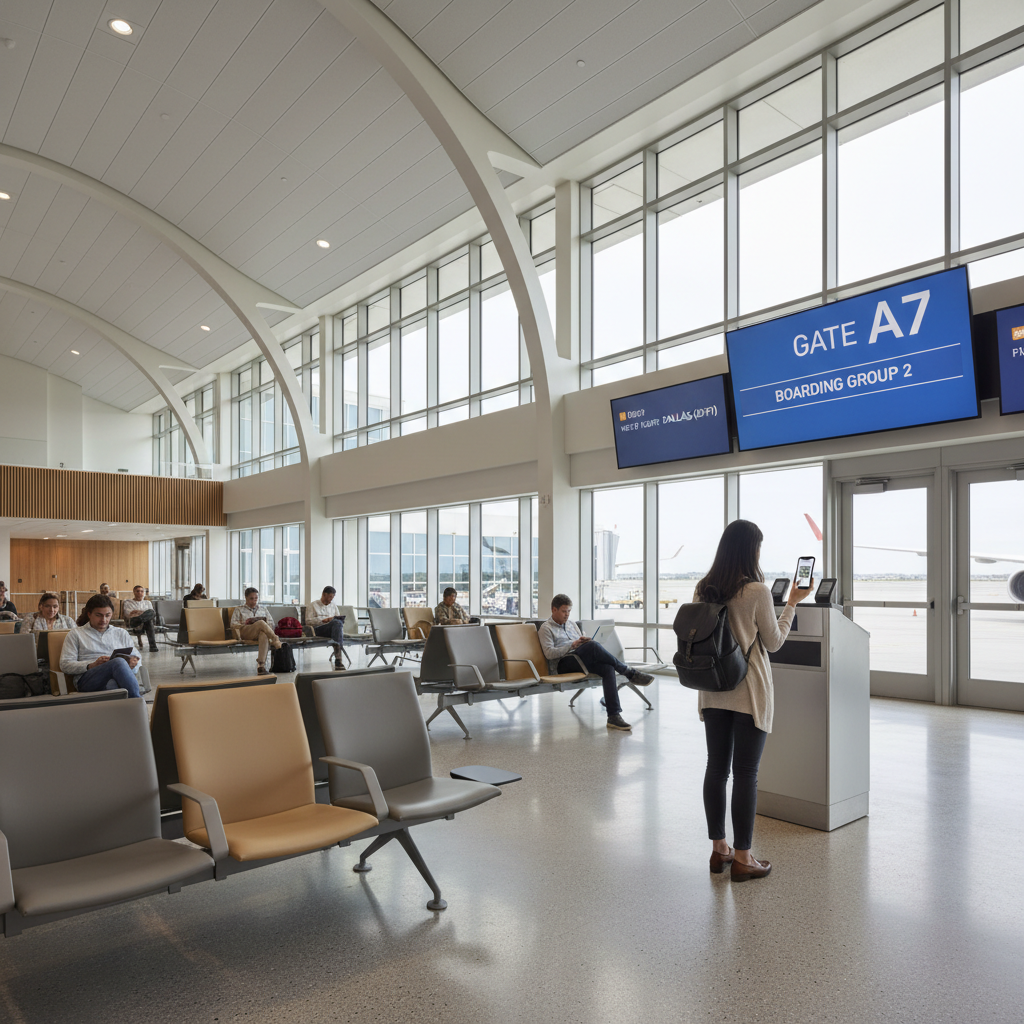
- Confirm your gate and boarding time on the airport screens, not only the airline app.
- Refill a water bottle after security so you’re not overpaying for basics.
- Charge early. Outlets fill up fast, and a dead phone can turn into a ticketing headache.
- If you need overhead space, board when your group is called, not after “one more email.”
Common “smooth departure” scenarios and what to do
Real life travel rarely matches the ideal checklist. Here are simple plays for the situations that cause the most last-minute chaos.
If you’re checking a bag
- Look up the airline’s bag drop cutoff the day before, it can be earlier than boarding.
- Weigh the bag at home if you’re close to the limit, overweight fees are a bad way to start a trip.
- Keep essentials, meds, and one change of clothes in carry-on, if possible.
If you’re traveling with family
- Pack one “grab bag” with wipes, snacks, and a small distraction, not three separate emergency kits.
- Build extra time for bathroom breaks and regrouping after security.
If you’re flying during weather season
- Turn on airline notifications and keep your phone charged.
- Know your backup flights and connection times, even a rough plan reduces panic.
Cheat sheet table: what to do and when
If you want a one-screen plan, this is it. Adjust based on your airport size, time of day, and whether you’re checking a bag.
| Time window | What to do | Why it helps |
|---|---|---|
| 24 hours before | Check in, confirm terminal/gate area, review baggage rules | Prevents surprise cutoffs and bag issues |
| Night before | Set clothes, ID, chargers, liquids bag, meds in one spot | Reduces morning scramble and forgotten items |
| Arrive at airport | Choose curbside vs. counter vs. kiosk based on your situation | Saves time when lines are uneven |
| Before security bins | Empty pockets, prep electronics, keep boarding pass ready | Moves faster and avoids bag checks |
| After security | Confirm gate, fill water, charge devices, find your zone | Stabilizes the rest of the departure |
Common mistakes that quietly ruin airport days
These are the easy-to-miss issues that make people feel like the airport is “against them,” when it’s usually a preventable mismatch between plan and reality.
- Assuming the app is enough: apps lag, screens and announcements still matter.
- Overpacking liquids: even if you “usually get through,” an extra check can cost real time.
- Forgetting cutoff times: check-in and bag drop deadlines can be stricter than you expect.
- Leaving charging to chance: low battery turns every small change into a crisis.
- Arriving “two hours early” without context: some airports are fine, some are not, build buffer when stakes are high.
When it’s worth asking for help (and who to ask)
If something feels off, it usually is. Ask early, not when the door is closing.
- Airline agent: missed connections, same-day changes, bag issues, seat problems.
- TSA officer: questions about screening procedures, medical items, or special circumstances.
- Airport accessibility services: if you may need wheelchair assistance or extra support, request ahead when possible.
If you have complex medical needs, travel restrictions, or documentation questions, it’s smart to confirm with the airline and relevant official agencies, situations vary and rules change.
Key takeaways you can actually use today
- Buffer time is the simplest lever, especially with checked bags or peak hours.
- Make documents and boarding passes work offline, your future self will thank you.
- Pack for security so you’re not reorganizing at the bins.
- After security, verify the gate on airport screens and charge early.
If you want smooth departures more often, pick two airport travel tips from this guide and make them your default habit, consistency beats last-minute heroics.
FAQ
What are the most useful airport travel tips for first-time flyers?
Focus on timing, documents, and security prep. Arrive early, keep ID and boarding pass easy to access, and pack liquids and electronics so screening is straightforward.
How early should I get to the airport for a domestic flight in the U.S.?
Many travelers plan around two hours, but it depends on your airport, the time of day, and whether you’re checking a bag. If it’s a holiday weekend or a big hub, add buffer.
Should I screenshot my boarding pass?
It often helps. Airline apps can log out or struggle with spotty signal, and a screenshot or saved wallet pass can keep you moving.
What usually slows people down at TSA security?
Last-second pocket emptying, messy liquids, and digging for electronics. Get organized before you reach the bins, and follow the checkpoint’s posted instructions.
Is TSA PreCheck worth it for occasional travelers?
It depends on how you value time and stress. If you fly a few times a year from busy airports, it may feel worth it, but if you mostly fly from small airports, the benefit can be modest.
What should I do if my gate changes?
Confirm the new gate on airport screens, then walk there right away before stopping for food. Gate changes can cascade into earlier boarding or relocated boarding lanes.
How can I avoid overweight baggage fees?
Weigh your suitcase at home if you’re close to the limit, and know your airline’s rules. If you’re over, shifting one heavy item into your carry-on is often easier than repacking at the counter.
If you’re planning a trip soon and want a smoother routine, keep a small “airport kit” ready, clear liquids bag, charging set, and a repeatable packing list, it’s a low-effort way to make these airport travel tips stick.