
best travel guide for singapore 2026 usually comes down to one thing: you want a trip that feels smooth in real life, not just “good on paper”, with the right area to stay, a doable itinerary, and fewer surprises when you land.
Singapore is compact and easy to navigate, but it can still frustrate first-timers: hotel prices swing fast, attraction tickets sell out, and a “simple” day can turn into a lot of heat, walking, and line time. A little structure up front saves a lot of energy later.
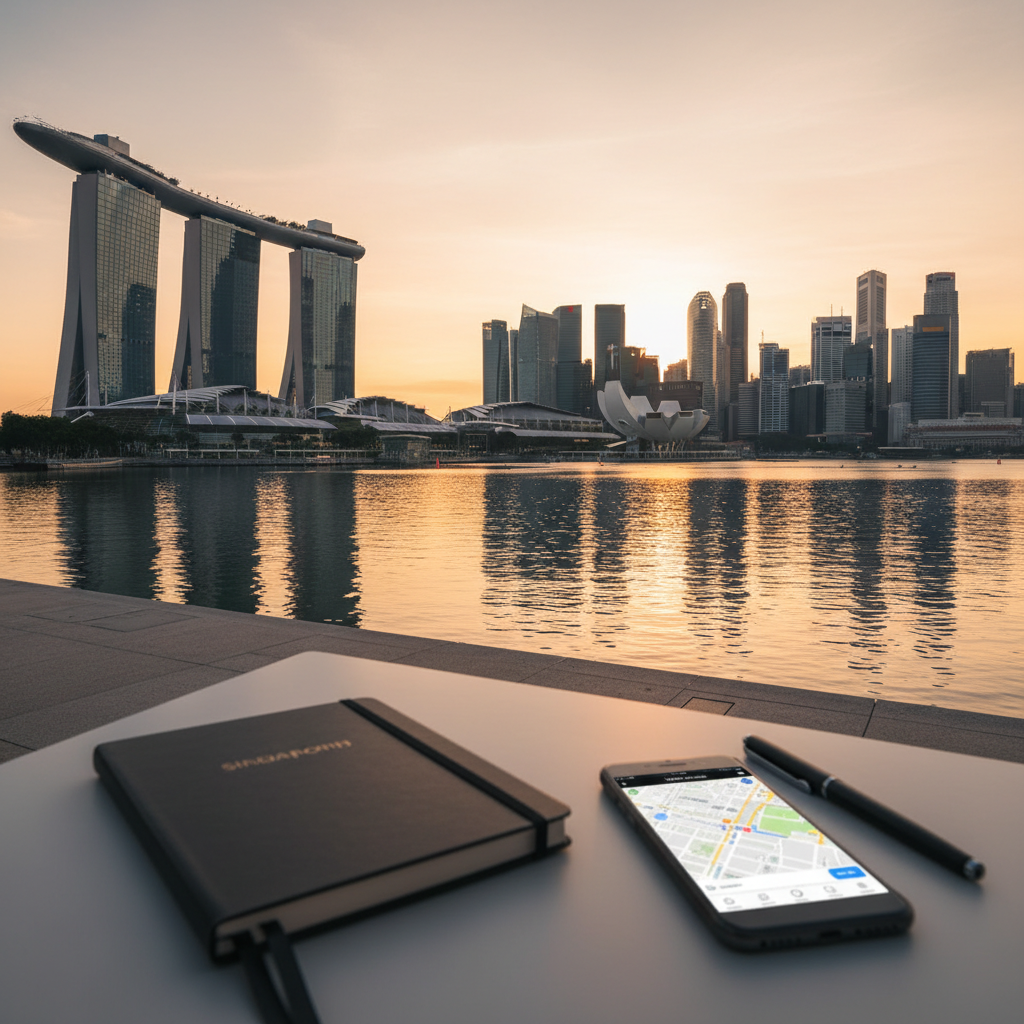
This guide focuses on practical choices Americans tend to care about: where to base yourself, how many days you actually need, what to book early, how to get around, and how to build days that mix icons with neighborhoods.
What’s different about planning Singapore in 2026
The basics remain the same, Singapore still runs like a well-organized city, but your planning rhythm matters more than people expect. Demand can cluster around weekends, school breaks, and big events, which pushes up room rates and wait times.
Also, many travelers now build Singapore into a larger Asia trip, so flight timing and “jet lag + heat” become a real factor. If you arrive early morning from the U.S., a heavy Day 1 itinerary often backfires.
- Book-ahead culture: timed-entry attractions and popular restaurants are common, waiting for “walk-in” can waste prime evening hours.
- Neighborhood matters: a great hotel far from your daily plan still costs time, and in Singapore, time is often your most limited resource.
- Weather reality: humidity can change how long you want to stay outdoors, so indoor backups help.
Quick decision checklist: what kind of trip are you building?
If you’re scanning for the best travel guide for singapore 2026 because you’re not sure where to start, use this as your fast sorting step. It prevents the common “we tried to do everything” plan that leaves you exhausted by Day 3.
- First time, 3–4 days: icons + one or two neighborhood deep-dives, minimal day trips.
- Food-first: hawker centers, a few reservation meals, plus short attraction blocks.
- Families: predictable transit, earlier evenings, fewer stops per day, more shade breaks.
- Couples: sunset viewpoints, gardens, rooftops, curated dining, slower mornings.
- Stopover (24–48 hours): one “wow” night view + one daytime cluster near your hotel.
One more honest question: do you want dense sightseeing or comfortable pace? Singapore rewards both, but not on the same schedule.
Where to stay: neighborhoods Americans typically like (with trade-offs)
Choosing your base is the highest-leverage decision in any best travel guide for singapore 2026. Singapore is safe and connected, but staying “a little too far out” can quietly add friction, especially at night.
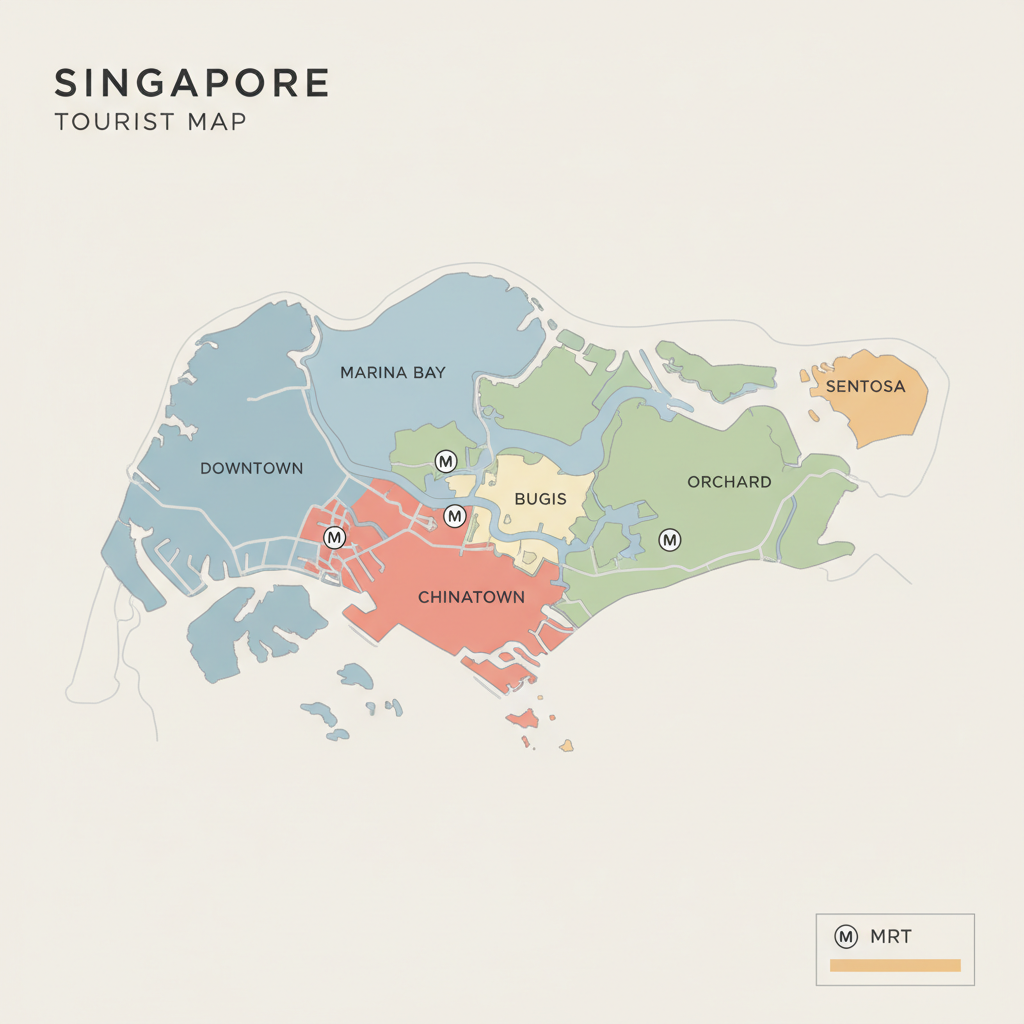
- Marina Bay / Downtown: postcard views and easy access to major sights, but hotels can be pricier, dining can skew upscale.
- Chinatown: great food density, character, and transit convenience, rooms can be smaller in heritage areas.
- Bugis / City Hall: central, walkable, solid midrange options, good for first-timers who want flexibility.
- Orchard: shopping hub with many hotels, less “old Singapore” vibe, still convenient.
- Sentosa: resort feel and beaches, ideal for families or a splurge, but you’ll commute for city neighborhoods.
Tip that saves money: pick the neighborhood that matches your evening plan. If your nights are rooftops, Marina Bay and Downtown simplify everything. If your nights are hawker centers and walking streets, Chinatown or Bugis tends to feel easier.
Sample 3–5 day itinerary (doable, not chaotic)
This is a “most people enjoy it” structure, not a rigid script. If you’re using a best travel guide for singapore 2026 to avoid over-planning, keep each day to two major anchors and let food be the flexible part.
3 days (first-timer core)
- Day 1: Marina Bay waterfront walk, Gardens by the Bay, evening skyline viewpoint.
- Day 2: Chinatown + nearby heritage streets, hawker lunch, museum or shopping break, night market-style wandering.
- Day 3: Little India + Kampong Glam area, café stop, sunset at a rooftop or river area.
4 days (add one “big ticket” cluster)
- Day 4: Sentosa (beach + one attraction) or Singapore Zoo area if that’s your priority.
5 days (slower pace or a day trip)
- Day 5: buffer day for heat, shopping, spas, or a guided food tour, plus anything you missed.
Bookings, passes, and a realistic cost snapshot
Singapore can be “expensive but predictable.” The trap is paying premium prices for convenience because you didn’t reserve key items when you still had choices.
According to Singapore Tourism Board, Singapore positions itself as a world-class tourism destination with a strong calendar of experiences and attractions, which is a polite way of saying popular things can get busy. Plan like you’d plan New York on a holiday weekend.
| Item | Typical approach | Why it matters |
|---|---|---|
| Attraction entry | Reserve timed tickets when possible | Reduces wait-time risk, helps you avoid mid-day heat |
| Hotel | Book refundable early, re-check rates later | Rates can swing, flexibility helps |
| Transit | MRT + short rideshares | Fast and clean, rideshares are good for late-night convenience |
| Food | Mix hawkers with 1–2 booked meals | Hawkers keep budget sane, booked meals add variety |
- Budget reality: Hotels and cocktails set the tone for your spend, hawker meals can balance it out.
- Time reality: The “cost” many people feel is actually lines, midday sun, and backtracking across town.
Getting around smoothly: what’s easy, what trips people up
Singapore public transit is straightforward, and most tourists do well with MRT plus walking. The bigger issue is underestimating how draining heat can make a 20-minute walk feel.
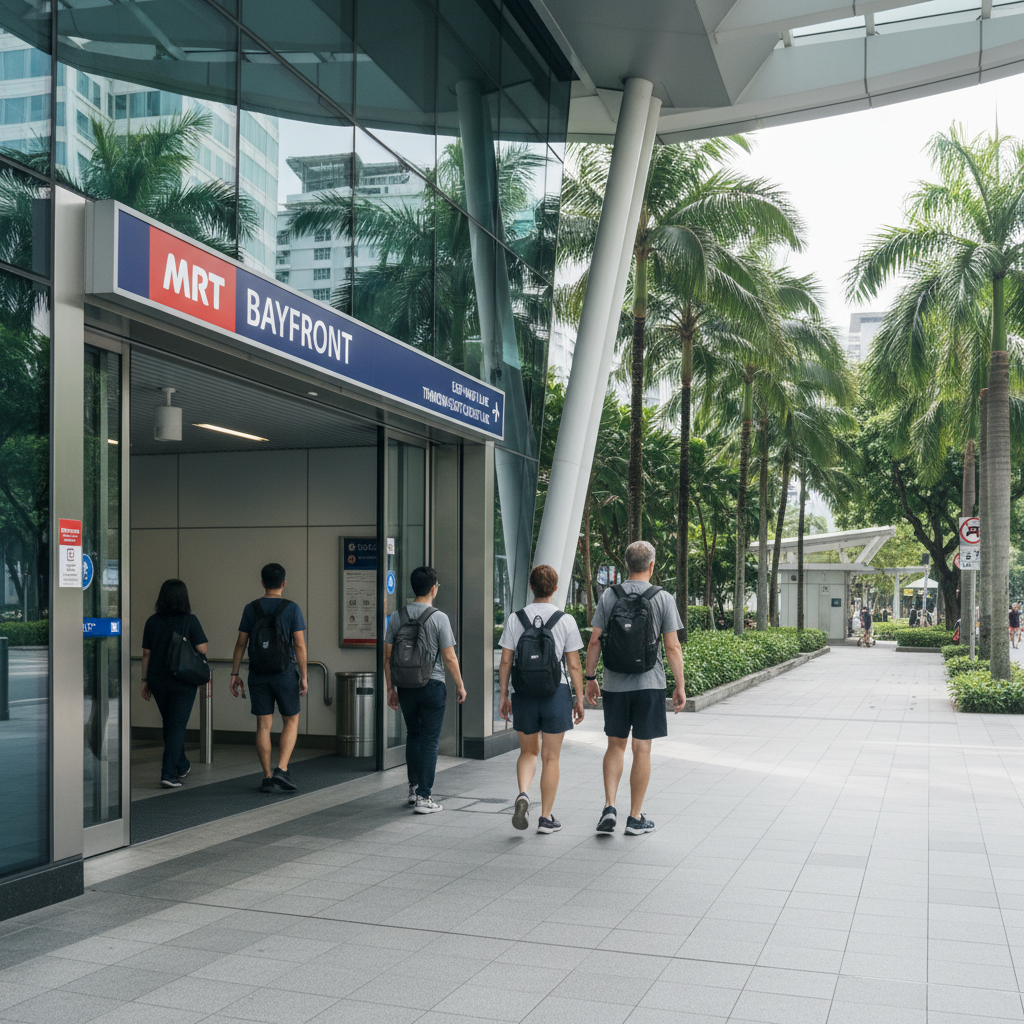
- MRT + walking: best default for first-timers, especially if your hotel is near a station.
- Rideshare: useful for door-to-door in the rain, late nights, or when traveling with kids.
- Airport transfers: MRT works for many itineraries, but after a long U.S. flight, a car can be worth it.
Small but helpful: keep a lightweight layer in your day bag. Indoor AC can feel intense after humid streets.
Safety, rules, and etiquette Americans should actually know
Singapore is widely considered safe, but “safe” does not mean “no risk.” Keep the same basics you’d use in any major city, especially in crowded areas and on transit.
According to U.S. Department of State, travelers should review destination-specific advisories and local laws before international trips. That’s especially relevant in places with stricter enforcement norms than what you might be used to.
- Local laws and fines: Singapore enforces rules, if you’re unsure, ask staff or follow posted signage.
- Heat and hydration: dehydration can sneak up, if you have medical concerns, it’s smart to consult a clinician before travel.
- Street smarts: watch your phone in crowded spots, keep valuables simple, avoid leaving bags unattended.
- Respect in religious sites: modest coverage is often expected, bring a light scarf or layer.
Practical tips that make the trip feel “easy”
If you only take a few ideas from this best travel guide for singapore 2026, take these. They’re not glamorous, but they prevent the most common friction.
- Plan nights first: pick 2–3 evening anchors (skyline, gardens, river walk), then fill days around them.
- Block the heat: schedule indoor attractions or long meals around mid-afternoon.
- Cluster by area: Singapore looks close on a map, but backtracking burns energy.
- Reserve one special meal: it gives your itinerary a highlight without needing a packed schedule.
- Leave one open slot: rain, fatigue, or a neighborhood you love, flexibility makes the trip feel personal.
Conclusion: a smart 2026 plan beats an ambitious one
The best Singapore trips usually aren’t the ones with the most checkmarks, they’re the ones with a calm base neighborhood, a couple of booked highlights, and enough breathing room to eat well and wander.
If you’re planning now, sketch your day clusters, lock your hotel with a cancellation option, and reserve the one or two experiences you’d be genuinely disappointed to miss.