
How to refresh face on long flight usually comes down to three things you can control even in a cramped seat: hydration, barrier support, and de-puffing without irritating your skin. If you land feeling tight, dull, or swollen, it’s rarely because you “didn’t try hard enough”, it’s the cabin environment plus sleep posture and recycled air doing their thing.
This is worth caring about because long-haul travel tends to stack issues fast: dehydration, rubbing your face, forgetting SPF at your destination, and using products that feel comforting but quietly cause breakouts. The goal isn’t a full skincare day, it’s a realistic routine you can actually keep up with between boarding, meal service, and trying to rest.
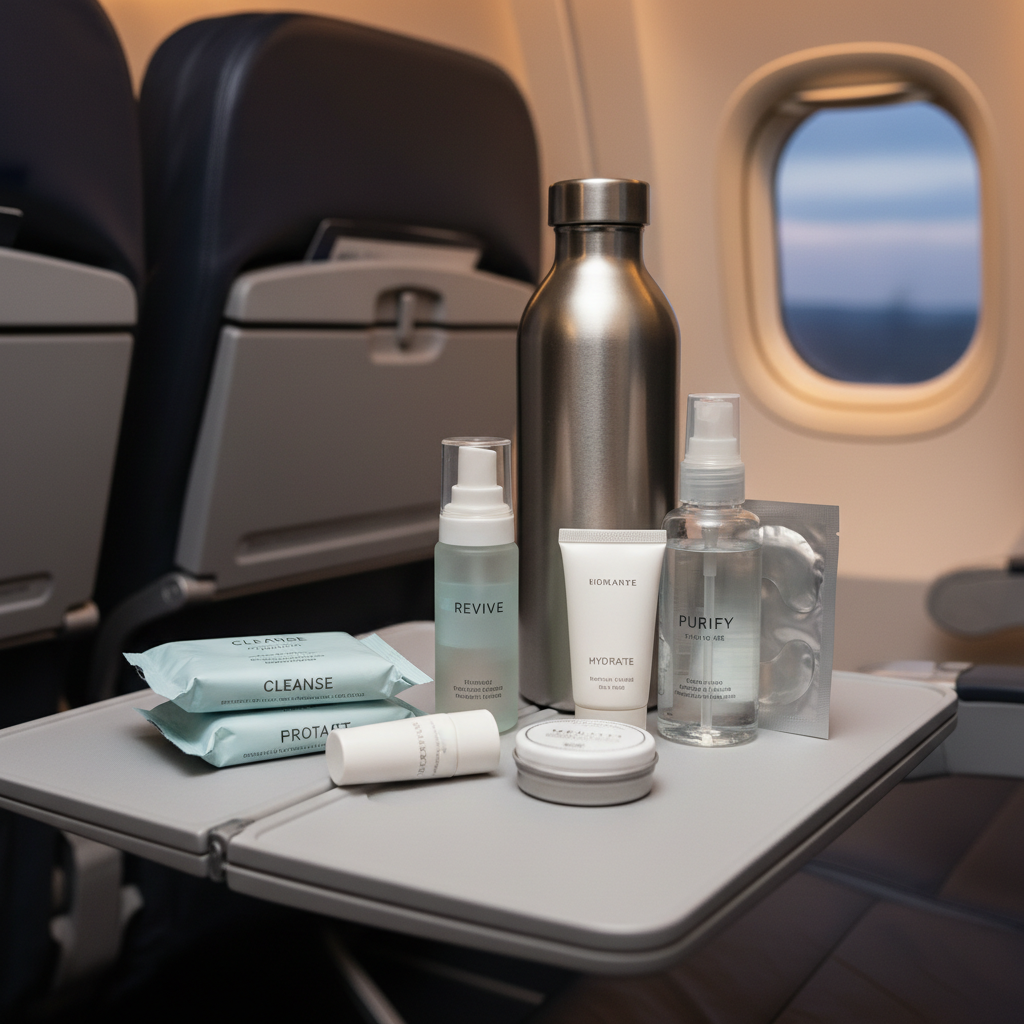
One quick note before we get practical: you don’t need ten steps. In fact, piling on actives mid-flight often backfires. Below is a simple plan, plus a few “if this is you” options for oily, acne-prone, or sensitive skin.
Why your face looks worse after a long flight (it’s not just sleep)
Cabin air tends to be dry, and dryness pushes many faces into a stressed, dull look. When the skin barrier feels compromised, makeup sits weird, fine lines look sharper, and you get that tight feeling around the mouth and cheeks.
- Low humidity can increase transepidermal water loss, so your skin loses moisture faster than usual.
- Salt, alcohol, and airplane snacks often increase fluid retention, which can show up as under-eye puffiness.
- Sleeping upright slows fluid drainage from the face, so swelling is common even if you slept “okay.”
- Touching your face more than normal (headrests, blankets, hands) raises the odds of irritation and breakouts.
According to the American Academy of Dermatology (AAD), moisturizing helps protect the skin barrier, which matters even more when your environment dries you out.
A fast self-check: what are you actually dealing with?
If you pick the routine based on the wrong problem, you waste time and sometimes make it worse. Use this quick checklist before you start applying anything.
Pick your main issue
- Tight + flaky: barrier stress and dehydration, you need occlusive moisture and fewer actives.
- Puffy + dull: fluid retention and slow drainage, you need cooling and gentle massage.
- Shiny + bumpy: clogged pores from occlusive layers or touching your face, you need light hydration and clean hands.
- Red + stingy: irritation, fragrance or over-exfoliation often triggers this, keep it bland and minimal.
If you have a diagnosed skin condition (eczema, rosacea, severe acne) or you react easily to products, it may be worth checking with a dermatologist about a travel-safe routine.
The “boarding to landing” routine that works for most people
How to refresh face on long flight is much easier when you treat it like two small resets: one after you’re settled, one closer to landing. Keep steps short so you’ll actually do them.
Phase 1: After takeoff (5 minutes, low effort)
- Clean hands first: use sanitizer, let it dry fully, then avoid rubbing your eyes.
- Gentle cleanse: a fragrance-free micellar wipe or a small amount of cleanser with bottled water, no scrubbing.
- Hydrate: apply a simple hydrating serum or a thin layer of moisturizer on slightly damp skin.
- Seal it: if you run dry, add a pea-size occlusive balm on cheeks and around the mouth, not all over.
- Lips + hands: balm plus hand cream helps you stop touching your face because your skin feels less “annoying.”
If you wear makeup, consider leaving it off for the flight or keeping it light. Heavy foundation plus dry air often leads to patchiness, and touching up can turn into over-layering.
Phase 2: About 60–90 minutes before landing (the “I want to look alive” reset)
- Mini cleanse if needed: blot oil, wipe around nose and chin, don’t strip your whole face.
- Re-moisturize: thin layer, focus on dry zones.
- De-puff: cool compress, under-eye gel patches, or a cold spoon if you packed one in a sleeve.
- Brighten: a tiny amount of tinted moisturizer or concealer where you truly need it, not everywhere.
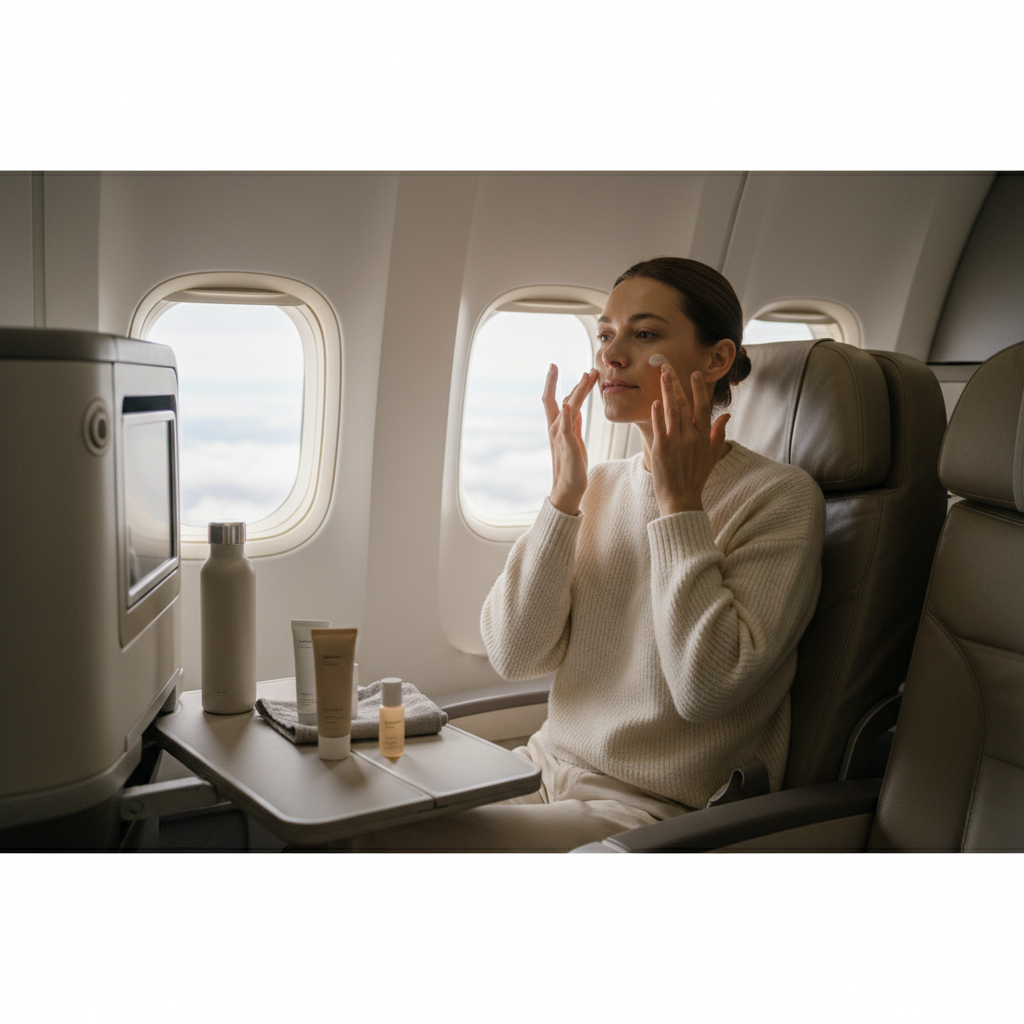
If you’re heading straight into a meeting, this is the window that matters. You’re not trying to “fix” everything, you’re trying to reduce dryness, calm redness, and take down swelling enough that you feel comfortable.
What to pack (and what to skip) for an in-flight face refresh
Bring fewer items, but make them count. A tight kit also keeps you from impulsively applying random samples midair.
| What to pack | Why it helps on a long flight | What to watch out for |
|---|---|---|
| Fragrance-free wipes or micellar water | Quick cleanse without a full sink routine | Avoid harsh wipes that sting or leave residue |
| Basic moisturizer (ceramides or glycerin) | Supports barrier, reduces tight feeling | Very heavy creams may clog acne-prone skin |
| Occlusive balm (small amount) | Seals moisture where you crack or flake | Don’t smear all over T-zone if you break out |
| Under-eye gel patches or cooling tool | Helps temporary puffiness | Skip if you react to adhesives or fragrance |
| Lip balm + hand cream | Comfort, less picking and rubbing | Minty balms can irritate some people |
What I’d usually skip: strong exfoliating acids, retinoids, brand-new products, and heavily scented mists. The plane is not the place to experiment.
In-seat tricks that make you look less puffy (no “spa face” required)
Even if your skincare is perfect, fluid retention can still make your face look tired. These are small, low-embarrassment moves that tend to help.
- Water timing: sip regularly instead of chugging once, and go easy on alcohol if puffiness is your main issue.
- Move a little: stand up when safe, gentle calf pumps and ankle circles help overall circulation.
- Face drainage, light pressure: clean hands, then press from the center of the face outward, avoid aggressive rubbing.
- Cold helps: ask for a cup of ice, wrap in a clean napkin, hold briefly under eyes and along cheekbones.
According to the Centers for Disease Control and Prevention (CDC), moving around during long trips can help reduce risks related to prolonged sitting. It’s not a beauty tip, but your face often benefits when your body does.
Common mistakes that quietly ruin your results
Most “I did skincare and still look rough” stories come from a few predictable traps.
- Over-washing: you feel grimy, so you keep wiping, and your skin gets tighter.
- Layering too many occlusives: slugging can be great at home, but on a plane it can trap heat and oil for some skin types.
- Using actives to chase glow: exfoliating mid-flight can increase redness, especially if you’re already dry.
- Ignoring hygiene: applying skincare with unclean hands is a fast route to bumps around mouth and chin.
- Contact lens irritation: dry cabin air can make eyes watery, then you rub, then concealer creases and redness shows.
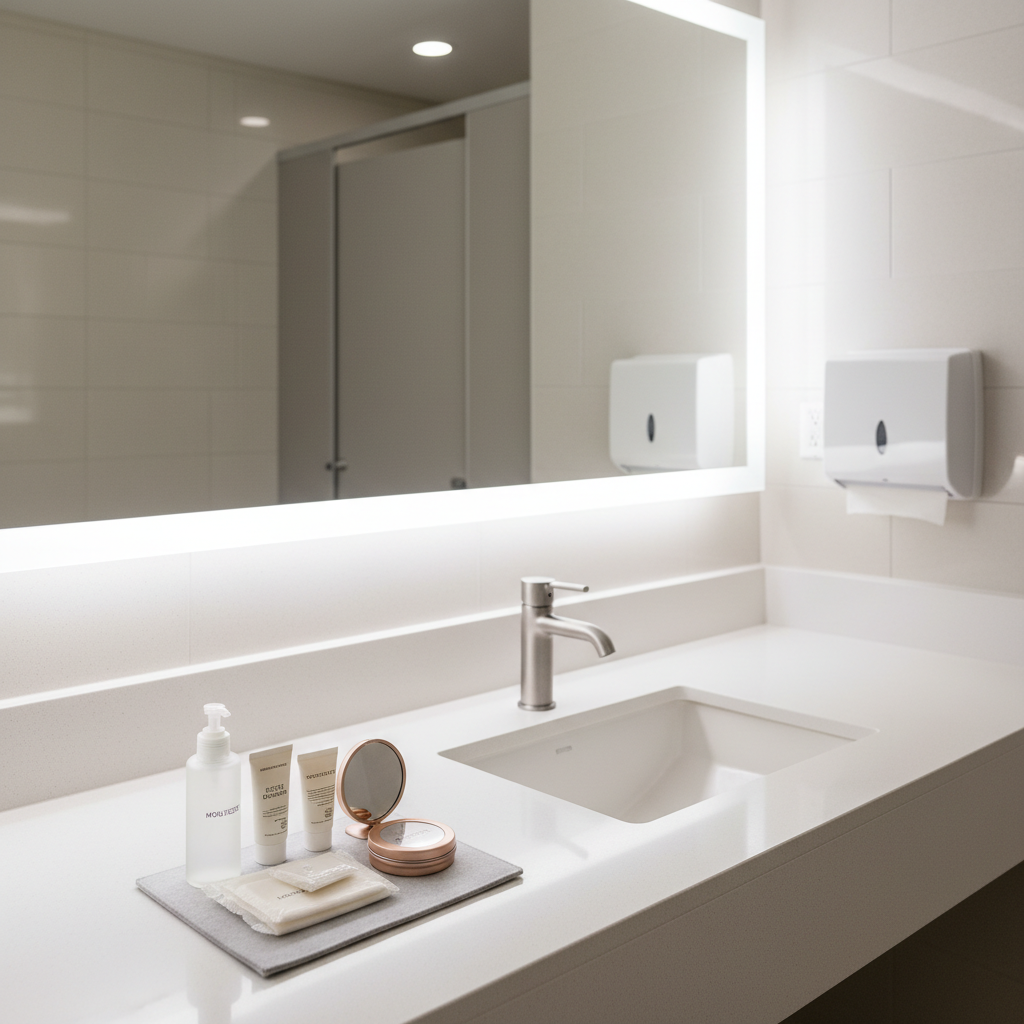
If you only fix one thing, fix your hand hygiene plus a gentle moisturizer. It’s boring, but it’s usually the difference between “refreshed” and “why is my face mad.”
Landing-day plan: a quick refresh you can do at the airport
How to refresh face on long flight doesn’t end when the wheels touch down, especially if you have a connection or a long ride after. This is a simple 7–10 minute reset you can do in an airport restroom.
- Rinse or wipe to remove residue and sweat, pat dry with a clean tissue or disposable towel.
- Moisturize while skin is slightly damp, then add a tiny amount of balm to the driest spots.
- Spot-correct: concealer under eyes or around the nose, then a light powder only where you shine.
- Don’t forget SPF: if it’s daytime at your destination, apply sunscreen before leaving the airport.
According to the U.S. Food and Drug Administration (FDA), sunscreen is a key part of preventing sunburn and reducing long-term skin damage, which matters the moment you step back into daylight.
Key takeaways (so you actually remember this mid-flight)
- Keep it simple: cleanse lightly, hydrate, seal dry zones, de-puff near landing.
- Match products to your skin type: heavy balm everywhere can sabotage acne-prone skin.
- De-puffing is mostly behavior: water, movement, and cool compresses beat complicated steps.
- Don’t experiment: long flights amplify irritation from new actives or fragrance.
You don’t need to look airbrushed after a red-eye, you just want your skin to feel comfortable and look like you slept more than you did. Pack a small kit, run the two-phase reset, and save anything aggressive for when you’re back in a normal bathroom with normal humidity.
If you want one action today, build a tiny “flight pouch” and keep it stocked. The second action is even simpler: drink water earlier than you think you need it, your face tends to show the difference.
If you’re trying to streamline this even more, a pre-built travel skincare kit with fragrance-free basics can be a convenient option, especially if you fly often and prefer not to re-bottle products every trip.