
Best travel rain jacket lightweight searches usually mean one thing: you want real rain protection without hauling a crinkly, heavy shell that eats half your carry-on. The tricky part is that “lightweight” can hide trade-offs, some jackets pack tiny but wet out fast, others block rain but feel like a sauna.
This guide helps you sort the hype from what matters in actual travel, airport-to-city walking, day hikes, shoulder-season sightseeing, and the occasional surprise downpour. You’ll get a quick comparison table, a practical checklist, and a short list of the specs that tend to predict whether you’ll be happy after the first rainy day.

One quick note before we get into recommendations: most people don’t need an expedition-level hardshell for travel, but they also shouldn’t rely on a “water-resistant” windbreaker. If you’re buying once for multiple trips, aim for the middle ground: dependable waterproofing, decent breathability, and a hood that actually works.
What “lightweight” really means for a travel rain jacket
In rain-jacket land, lightweight is a spectrum, and brands don’t always define it the same way. For travel, weight matters, but bulk and comfort matter more because you’ll actually wear it in cities, on transit, and in mild weather.
- Ultralight (roughly 4–7 oz): packs incredibly small, but fabric can feel delicate, and breathability varies a lot.
- Lightweight (roughly 7–11 oz): often the sweet spot for travel, better zippers/hoods, less “trash bag” feel.
- Regular shell (12 oz+): tougher, usually more features, but can be overkill in a carry-on-only setup.
If you want the best travel rain jacket lightweight for mixed trips, prioritize pack size, hood performance, and venting. Those three show up every time someone regrets their purchase.
Quick comparison: pick your jacket type in 30 seconds
This table is intentionally simple. It’s less “which brand” and more “which build” fits your trips.
| Jacket type | Best for | Pros | Watch-outs |
|---|---|---|---|
| 2.5-layer waterproof shell | City travel + day hikes | Good balance of weight and protection | Can feel clammy; inner coating may wear faster |
| 3-layer shell (lightweight) | Frequent rain, wind, cooler temps | More durable, often better comfort | Usually pricier; sometimes bulkier |
| Water-resistant wind shell | Dry climates, light drizzle | Very breathable, super packable | Not reliable in real rain |
| Poncho | Warm rain, festivals, budget trips | Ventilation, covers backpack | Windy conditions can be annoying |
The specs that actually predict comfort and dryness
Spec sheets can look scientific, then you wear the jacket once and realize the hood dumps water onto your face. Here’s what tends to matter in real use.
Waterproofing: fabric + seams + DWR
A true rain jacket uses a waterproof membrane or coating, plus sealed seams. Many jackets also rely on a DWR finish so rain beads on the surface instead of soaking the face fabric and feeling cold. When that DWR wears off, the jacket can “wet out” even if the membrane still blocks water.
According to REI... seam taping and a waterproof/breathable barrier are key differentiators between water-resistant layers and waterproof shells, and that difference shows up fast in steady rain.
Breathability: you’ll feel it more than you think
Travel often means walking fast, wearing a backpack, and going in and out of transit. Even a great waterproof jacket can feel miserable if it traps heat. Look for pit zips or smart venting if you run warm or plan to walk a lot.
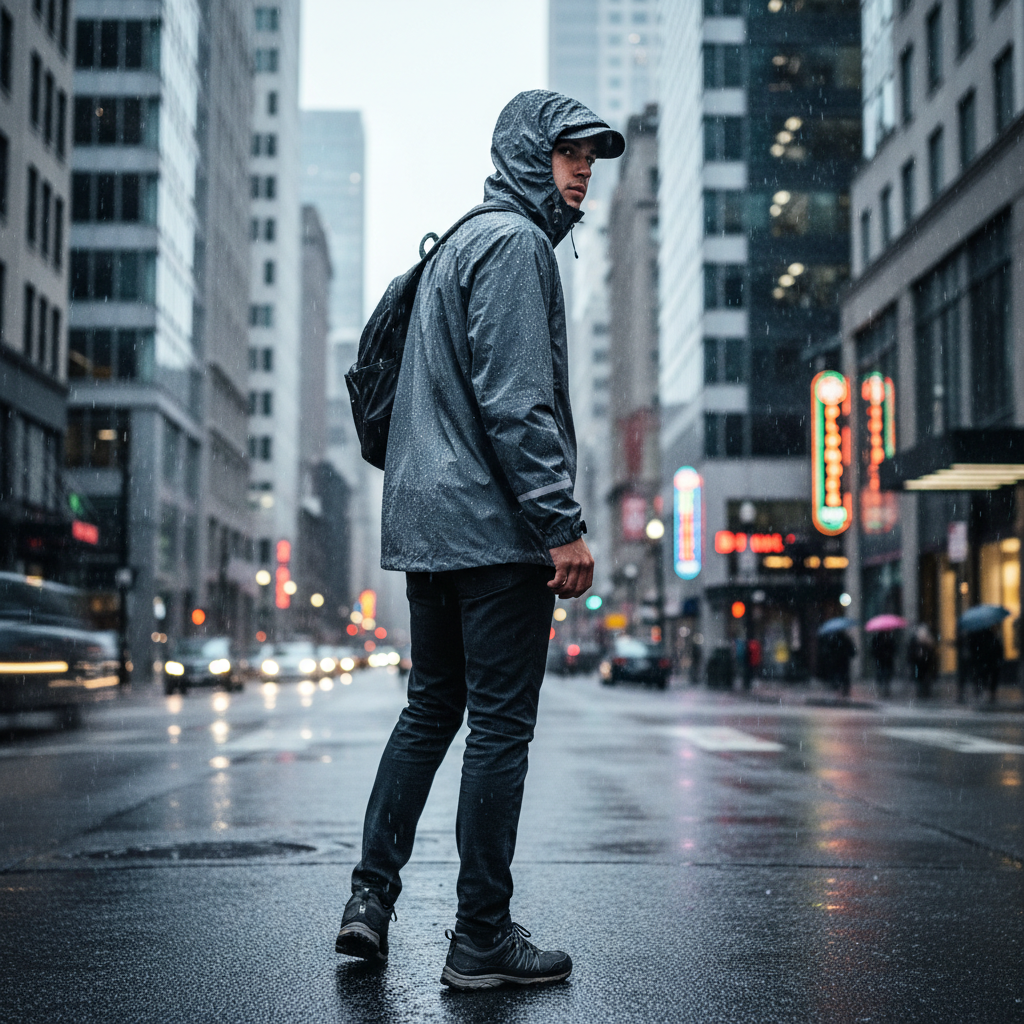
Hood design: the overlooked deal-breaker
A good hood has an adjustment that tightens around your head and a brim that keeps water off your eyes. A floppy hood is fine until you hit wind, then you’re using one hand to hold it in place, which gets old quickly.
Packability: stuffing it is part of the experience
Some jackets “pack” only if you fold them like origami. If you want carry-on convenience, look for a stuff sack or a self-stowing pocket, and fabric that doesn’t feel like it will crease into permanent noise.
A quick self-check: which traveler profile are you?
If you’re stuck between two jackets, this usually clarifies the decision. Pick the profile that matches most of your trips.
- City-first traveler: wants quiet fabric, clean look, decent waterproofing, minimal crinkle.
- One-jacket-only traveler: needs layering room, reliable hood, and durability under backpack straps.
- Warm-weather traveler: prioritizes ventilation, looser fit, and fast drying.
- Frequent rain traveler: benefits from 3-layer comfort, stronger DWR, and better zippers.
If you’re unsure, default to the “one-jacket-only” approach. It’s usually the best value: a lightweight waterproof shell that layers over a fleece or light puffer.
How to choose the best lightweight travel rain jacket for your trips
Here’s a practical workflow that avoids the common “spec trap.” Bring this mindset to any brand or retailer.
Step 1: Decide how much rain you’re really in
- Occasional showers: a light 2.5-layer shell can be plenty.
- Steady, hours-long rain: lean toward better construction, more durable face fabric, and reliable hood adjustments.
Step 2: Choose comfort features you’ll actually use
- Pit zips if you walk a lot, carry a daypack, or run hot.
- Two-way front zipper if you sit on trains, bike, or wear a hip belt.
- High collar + soft chin guard if you hate zipper rub.
Step 3: Get the fit right for layering
Try the jacket on over what you’ll wear in the trip’s coldest moment. If shoulders bind or the hem rides up when you raise your arms, it will feel worse with a backpack. In many cases, sizing up one step improves mobility without looking oversized.
Step 4: Sanity-check durability for travel abuse
Airport seats, hostel hooks, daypack straps, and random brushing against walls all add up. Ultralight fabrics can work, but if you’re rough on gear, a slightly heavier fabric often lasts longer and stays nicer-looking.
Practical use tips: stay dry without overthinking it
Even the best travel rain jacket lightweight won’t feel great if you pair it with the wrong habits. These tips are simple, but they’re the difference between “fine” and “why am I soaked.”
- Vent early: open pit zips or front zip before you start sweating.
- Manage the hood: tighten rear/side adjusters so it moves with your head in wind.
- Protect high-wear spots: backpack straps grind DWR down, so expect faster wet-out there.
- Dry it when you can: hang it in the bathroom or near airflow, not crumpled in a cube.
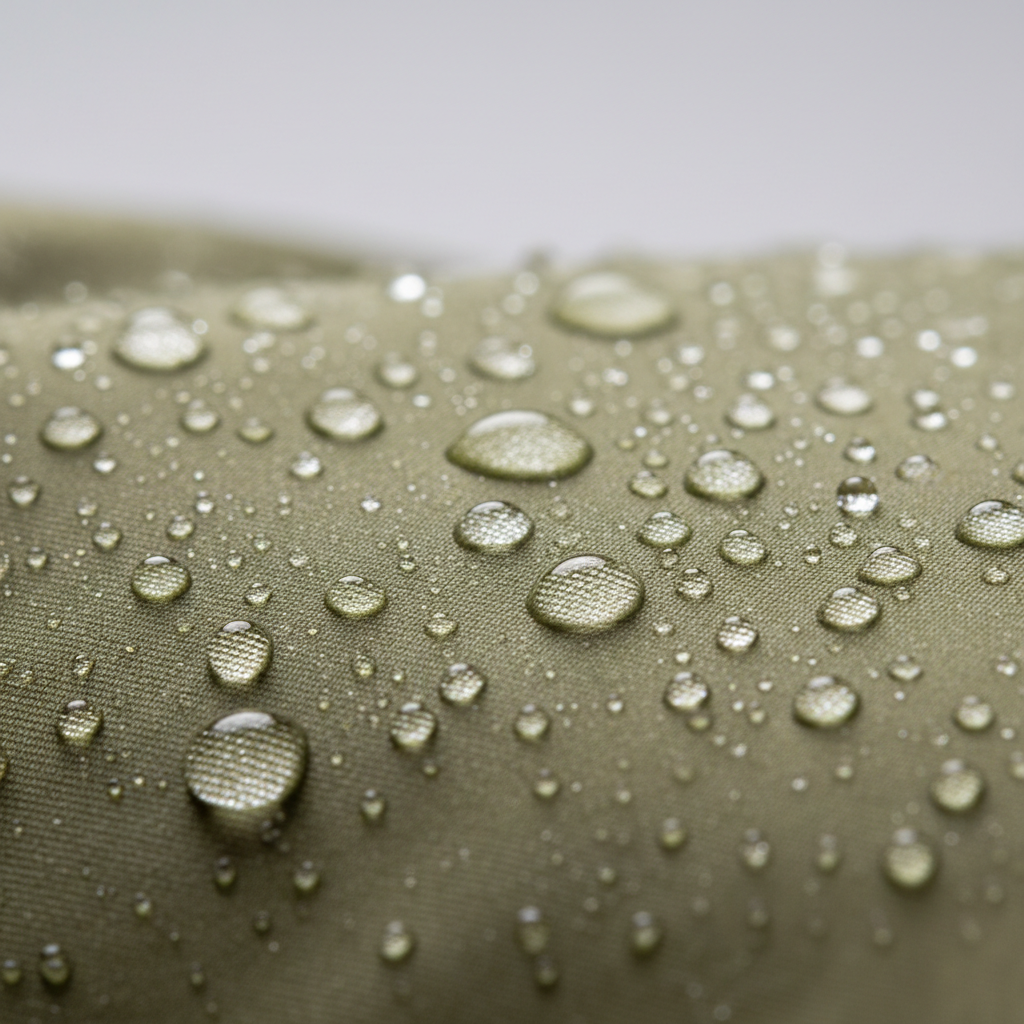
If your jacket starts “wetting out,” it may not be failing. Often the DWR needs a wash and re-treatment. According to Patagonia... washing waterproof/breathable garments and restoring DWR can help performance because dirt and oils reduce water repellency and breathability.
Common mistakes (and what to do instead)
- Buying a jacket that looks sleek but has a bad hood: test hood adjustments and brim shape before you commit.
- Assuming “water-resistant” is enough: for real rain, you typically want a waterproof shell with sealed seams.
- Chasing the lowest weight at any cost: ultralight can be great, but many travelers prefer slightly heavier for quieter fabric and tougher zippers.
- Ignoring breathability: if there are no vents, plan to use your front zip as a vent and wear wicking layers.
Key takeaways + a simple conclusion
If you want a jacket you’ll keep reaching for, optimize for real-world comfort, not just the grams. A lightweight waterproof shell with sealed seams, a functional hood, and usable venting tends to be the most dependable pick for most U.S. travelers.
My practical suggestion: shortlist two options, one ultralight and one “lightweight but sturdier,” then choose based on hood performance and how it feels over your midlayer. If you do that, you’ll usually land on the best travel rain jacket lightweight for your style of trips, not someone else’s.
Next step: check your typical destination weather pattern, then shop with the checklist above and prioritize fit and hood before brand name.
FAQ
What is the best travel rain jacket lightweight for one-bag carry-on trips?
In many cases, a lightweight 2.5-layer waterproof shell hits the sweet spot: small packed size, solid rain protection, and enough features for walking-heavy travel. Make sure it has sealed seams and a hood you can adjust with one hand.
Is a packable rain jacket enough for heavy rain?
Sometimes, but it depends on construction. A truly packable jacket can handle heavy rain if it’s genuinely waterproof and has good seam sealing, yet some “packable” options are closer to wind shells and struggle in sustained rain.
Do I need pit zips on a lightweight rain jacket?
If you run warm, carry a backpack, or expect humid weather, pit zips are a quality-of-life feature you’ll notice immediately. If you mostly wear it for short dashes between indoor spots, you may not miss them.
Why does my rain jacket soak through even when it says waterproof?
Often the face fabric wets out because the DWR has worn down, so it feels cold and clammy even if water isn’t fully penetrating the membrane. Washing and reapplying a DWR treatment frequently helps, and if you’re unsure, check the manufacturer’s care guidance.
What’s better for travel: 2.5-layer or 3-layer?
For occasional rain and maximum packability, 2.5-layer is usually fine. For frequent rain, cooler climates, or long-term durability, 3-layer tends to feel better against the skin and hold up under straps, though it may cost more.
Can I use a lightweight rain jacket as a windbreaker?
Yes, most waterproof shells block wind well, which is handy on planes, ferries, and coastal cities. The main downside is breathability, so in mild conditions you may prefer to vent or swap to a more breathable layer.
Is it worth paying more for “breathable waterproof” materials?
It can be, especially if you walk a lot or sweat easily. That said, fit, venting, and layering choices can matter as much as the membrane type, so don’t overpay if the hood, zippers, and cut aren’t right.
When should I ask a professional for help choosing gear?
If you have specific comfort or safety needs, like sensitivity to overheating or you’ll travel in environments where getting wet could become risky, it’s reasonable to ask a specialty outfitter for guidance. They can help match features and fit to your exact use.
If you’re trying to narrow down options quickly, make a short list based on jacket type and trip climate, then compare hood adjustability, venting, and packed bulk side by side, that approach usually beats scrolling reviews for hours.