
A camping gear checklist keeps you from doing that classic parking-lot panic, realizing your headlamp batteries are dead or you forgot a lighter. This guide breaks packing into sensible categories, shows what to prioritize for your trip style, and flags the items that most often get missed.
It also helps you avoid overpacking. Many campers bring three “just in case” options and still miss one “must have” item. The goal is balance: comfort, safety, and weight that matches your vehicle, trail distance, and weather.
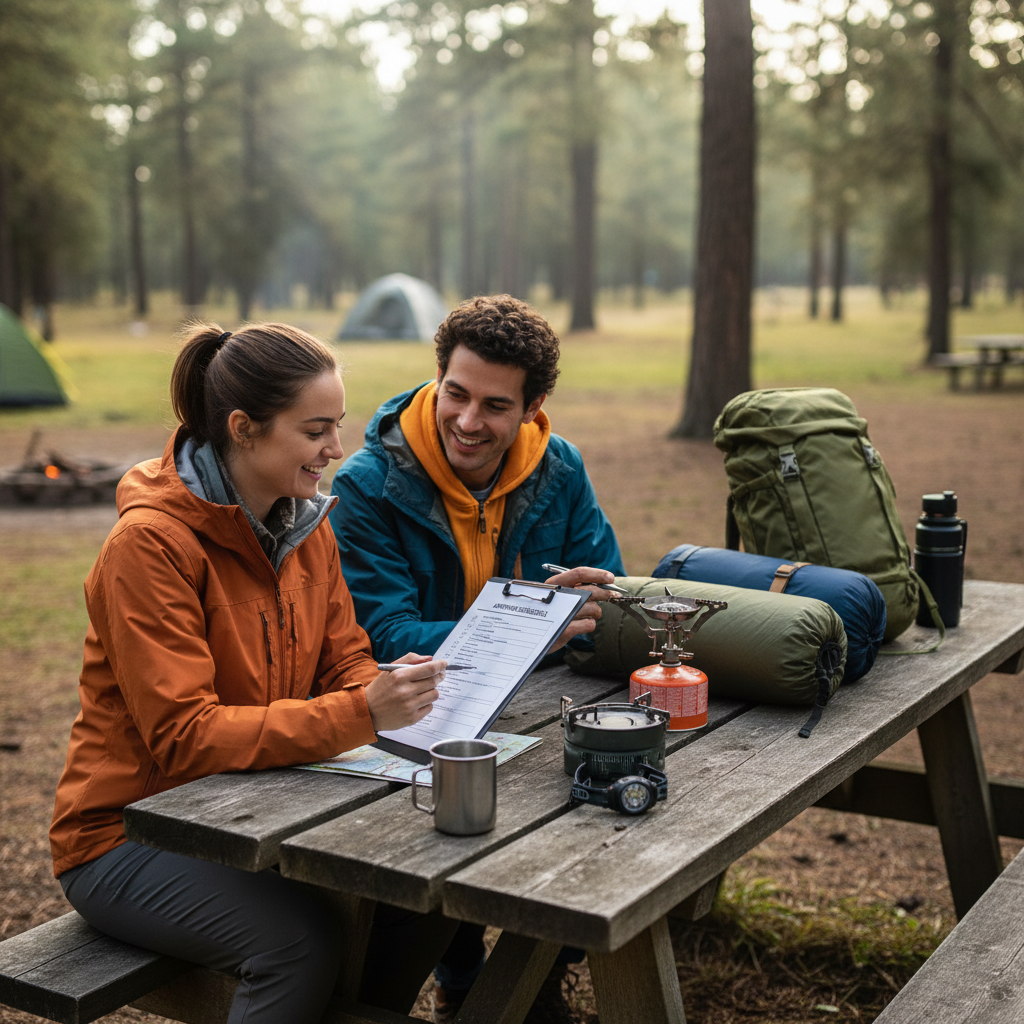
If you skim anything, skim the “Quick decision checklist” and the table, then come back for the scenario tips. I’ll keep it practical, with a few judgment calls that usually matter more than brand names.
Before You Pack: 5 Fast Decisions That Change Your List
Your packing list shifts a lot based on a few inputs. Answer these honestly, it saves money and trunk space.
- Camping style: car camping, RV, backpacking, or a mix
- Weather range: expected low temp, wind, and chance of rain
- Fire rules: are campfires allowed, and are there restrictions on stoves?
- Water situation: potable spigots, hauling water, or filtering from a source
- Cooking plan: full meals, simple boil-and-eat, or mostly no-cook
According to the National Park Service (NPS), trip planning should include checking current conditions and rules for the area you’re visiting. That one step often prevents the “I brought it but can’t use it” problem, especially with fire bans.
Camping Gear Checklist (Printable Table)
Use this camping gear checklist as a master list, then circle what fits your trip. If you’re backpacking, treat “Optional” as “only if it earns its weight.”
| Category | Essentials (Most Trips) | Nice-to-Have / Optional |
|---|---|---|
| Shelter | Tent + stakes, rainfly, footprint/tarp, guylines | Extra tarp, camp shelter, repair sleeve/pole splint |
| Sleep | Sleeping bag/quilt, sleeping pad, pillow (or stuff sack) | Sleep liner, cot (car camping), earplugs |
| Cooking | Stove + fuel, lighter/matches, pot, utensil, mug | Fry pan, coffee kit, spice kit, windscreen |
| Food & Storage | Meals/snacks, cooler (car), food bag (backpacking) | Camp table organizer, extra ice, condiments |
| Water | Bottles/bladder, water container (car), treatment method | Electrolytes, extra filter cartridge |
| Clothing | Layers, rain shell, warm hat, extra socks | Camp shoes, gloves, gaiters |
| Lighting | Headlamp, spare batteries/charging cable | Lantern, string lights (car camping) |
| Navigation | Offline map, compass/GPS, phone in airplane mode | Paper map backup, satellite messenger |
| First Aid | First-aid kit, personal meds, blister care | Elastic wrap, antihistamine (as appropriate) |
| Tools & Repair | Knife/multitool, duct tape, cord, tent patch | Small saw, extra stakes, zipper lube |
| Hygiene | Toothbrush, wipes, hand sanitizer, toilet kit | Camp shower, quick-dry towel upgrade |
| Safety | Sun protection, bug protection, whistle | Bear spray (where appropriate), emergency bivy |
Why People Forget “Obvious” Items (and How to Stop)
Most missing-item disasters come from routine. You pack what you packed last time, but the conditions changed. Or you assume the campground has what a hotel would have.
- Weather drift: daytime looks great, overnight drops hard, then your sleep setup feels thin.
- Power assumptions: you bring devices, forget charging, or rely on a car outlet you never actually use.
- One-point failures: one lighter, one headlamp, one water-treatment method, then it breaks.
- Food storage reality: you plan meals, forget how you’ll store trash and scented items.
According to Leave No Trace, managing food and waste properly reduces wildlife problems and helps protect natural areas. That should influence your packing list as much as the menu itself.
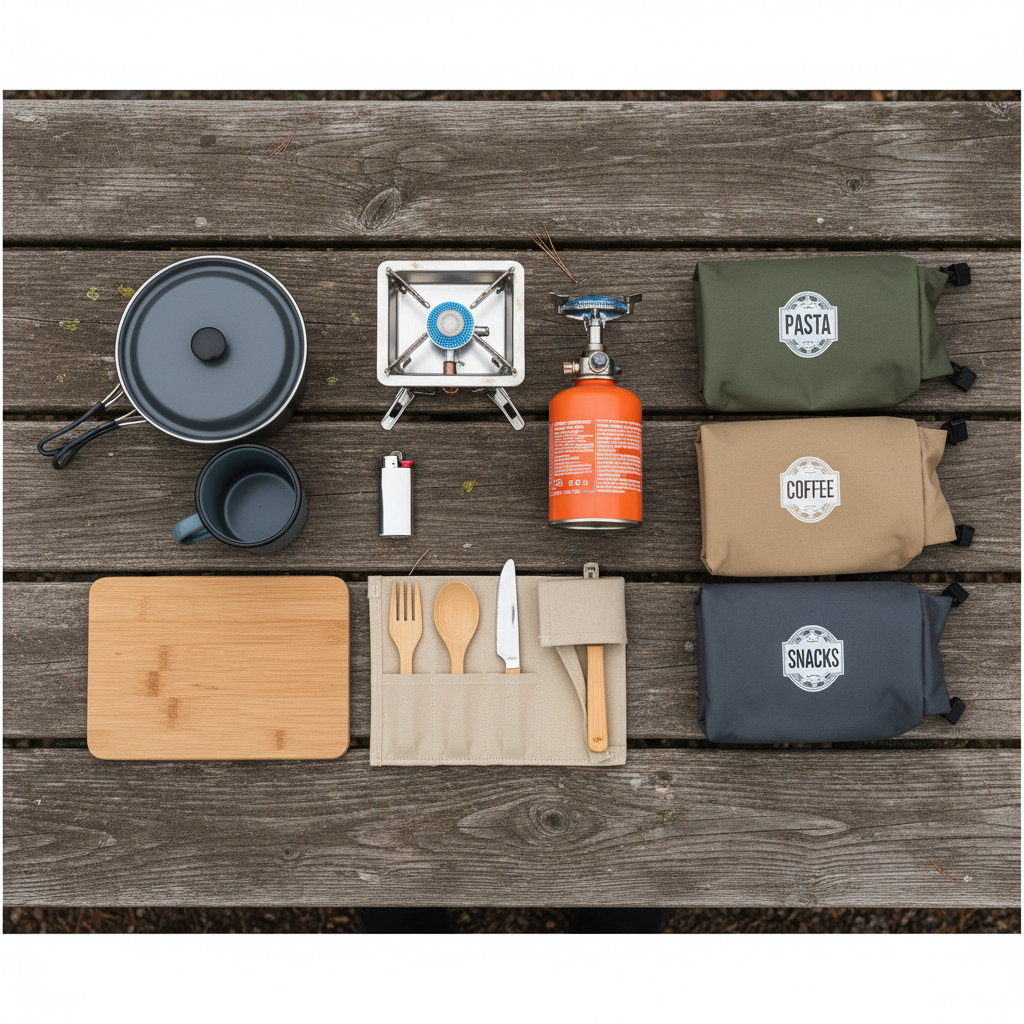
Quick Self-Check: Which Camper Are You This Trip?
This sounds basic, but it’s where a camping gear checklist turns from “generic” into useful. Pick the closest match, then follow the packing bias underneath.
- Car camper who wants comfort: prioritize sleep thickness, a real chair, and a simple kitchen.
- New camper who wants less stress: prioritize easy shelter, easy meals, and redundancy on small essentials.
- Backpacker who hates extra weight: prioritize multipurpose items and cut duplicates aggressively.
- Family/group organizer: prioritize systems: labeled bins, shared first aid, and a clear meal plan.
Key point: if you don’t know your pain point yet, assume it’s sleep and lighting. Those two wreck more trips than “not enough gadgets.”
Gear by Category: What to Pack (with Real-World Priorities)
Shelter
Think in layers: ground, walls, rain protection, and wind stability. A tent can be “new” and still leak if the rainfly isn’t tensioned or the site floods.
- Must-pack: tent body, rainfly, stakes, guylines, footprint or ground tarp
- Smart add: a few extra stakes, small repair tape, seam sealer if your tent is older
Sleep system
For comfort and warmth, the sleeping pad matters as much as the bag. If you’re unsure, bring a warmer bag than you think you need, many campers sleep colder outdoors.
- Must-pack: sleeping bag/quilt, pad, pillow solution
- Cold-night insurance: beanie, dry base layer, extra blanket (car camping)
Food, cooking, and cleanup
Keep cooking simple unless camp cooking is the whole point of the trip. Complex meals create complex cleanup, and cleanup is where trips get messy fast.
- Must-pack: stove and fuel, ignition, one pot, utensil, mug, dish soap, small sponge, trash bags
- Food storage: cooler or bear-resistant container, or a proper hang setup where allowed
Water
Know your source. If you’re filtering, bring a backup method like tablets. If you’re hauling, bring more capacity than you expect, dishwashing and handwashing consume surprising amounts.
- Must-pack: bottles/bladder, treatment, larger container for basecamp
- Backup: tablets or a secondary filter option
Clothing and footwear
Dress for swings, not averages. Wet cotton at night feels miserable, and wet socks can ruin the next day’s hike.
- Must-pack: insulating layer, rain shell, extra socks, sun hat
- If bugs or brush: long sleeves, long pants, maybe gaiters
Lighting, power, and navigation
Headlamp first, lantern second. And don’t assume you’ll have cell service, download maps ahead of time.
- Must-pack: headlamp, spare batteries or power bank, offline maps
- For longer or remote trips: satellite communicator can be worth considering, depending on risk tolerance
First aid and safety
Pack for likely issues, not movie scenarios: blisters, small cuts, headaches, allergies, mild burns. For medical concerns, it’s wise to consult a healthcare professional about what you personally should carry.
- Must-pack: first-aid kit, blister care, any prescriptions, sun and insect protection
- Situational: emergency bivy, bear spray where recommended by local guidance
Practical Packing Workflow (So You Don’t Re-Pack Three Times)
Here’s a method that works well for most people because it forces decisions early, then locks them in.
- Step 1: pull out your camping gear checklist and mark “must-have” items for your trip style.
- Step 2: stage gear by category on the floor or a table, so gaps show up fast.
- Step 3: pack “systems” together: sleep kit, kitchen kit, hygiene kit, repair kit.
- Step 4: do a two-minute ignition and light test: stove lights, headlamp works, filter intact.
- Step 5: keep a small “oops bag” in the car: spare lighter, batteries, duct tape, trash bags.
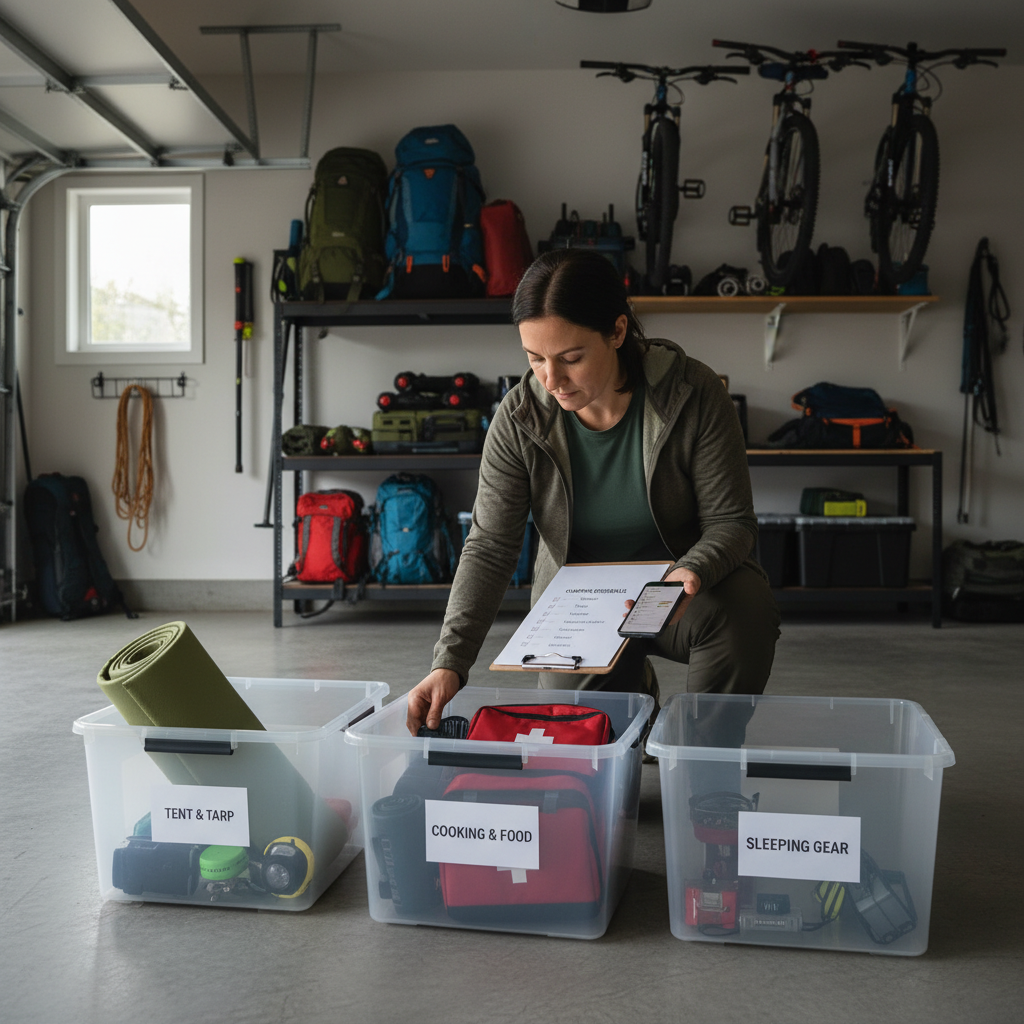
Key point: a checklist is only useful if it matches where you store gear. If your gear lives in bins, make the bins the checklist categories.
Common Mistakes That Waste Space (or Create Risk)
- Overpacking duplicates: three knives, two lanterns, and no extra water capacity.
- Ignoring condensation and rain: no towel, no way to dry gear, then everything feels damp.
- Bringing the wrong chair/sleep setup: comfort gear matters more than extra cookware for many campers.
- Not planning for trash: no bags, no odor control, then your site gets chaotic.
- Skipping a quick test: a one-minute stove test at home prevents a long night.
According to the U.S. Forest Service, campfire safety and local restrictions can change quickly, especially in dry seasons. If your plan depends on fire, double-check rules close to departure.
Conclusion: Pack for the Trip You’re Actually Taking
A solid camping gear checklist is less about owning more gear and more about bringing the right “systems” for shelter, sleep, food, water, and safety. When those work, everything else feels optional instead of urgent.
If you want an easy next step, print the table, mark your trip style, then do a quick stove-and-light test the night before. That small routine catches the annoying failures early, and your first hour at camp feels calmer.
FAQ
What should be on a basic camping gear checklist for beginners?
Focus on the five pillars: shelter, sleep system, water, simple cooking, and lighting. Beginners often do better with fewer meal tools and a warmer sleep setup than they think they need.
How do I adjust a camping gear checklist for cold weather?
Prioritize warmth retention and dryness: a warmer sleeping bag/quilt, a higher-insulation pad, dry sleep clothes, and a reliable rain/wind layer. Cold trips also benefit from redundancy in fire-starting and lighting.
What’s the difference between a car camping checklist and a backpacking checklist?
Car camping lets you add comfort items like chairs and coolers, while backpacking forces tradeoffs around weight and pack volume. The categories stay similar, but “optional” items get cut much harder for hiking.
Do I really need a water filter if the campground has water?
If you’re certain the site has potable water, a filter may be unnecessary, but many campers still carry a backup method for detours or unexpected closures. For health-related concerns, follow local guidance and consider professional advice for your situation.
How can I keep food safe from bears and other wildlife?
Use the storage method recommended for your location: bear box, bear-resistant canister, or proper hang where allowed. Keep scented items together, including toiletries, and never store food in the tent.
What are the most forgotten camping items?
Ignition (lighter), headlamp batteries, guylines/stakes, trash bags, and a way to dry off or wipe condensation show up repeatedly. They’re small, which is why they slip through.
How early should I pack before a trip?
The sweet spot is staging gear the day before and doing quick function tests that evening. If you pack the morning of, you tend to skip the “does it work” step.
Is it worth buying pre-made camping kits?
Sometimes, especially for basics like first aid or cook kits, but many kits include filler items you won’t use. Compare the kit contents against your camping gear checklist and swap weak links before relying on it.
If you’re building your kit from scratch or trying to simplify what you already own, a clean, trip-based checklist plus a small set of reliable “core systems” usually saves the most time, and it makes packing feel less like guesswork.