
Winter market travel spots can feel overwhelming to choose because every list promises “magic” yet skips the details that actually shape your trip, crowds, weather, prices, and how easy it is to get around.
If you want the cozy lights and warm snacks without the stress, you need a simple way to match a market to your travel style, weekend sprint, slow stroll, family trip, or a couples getaway.
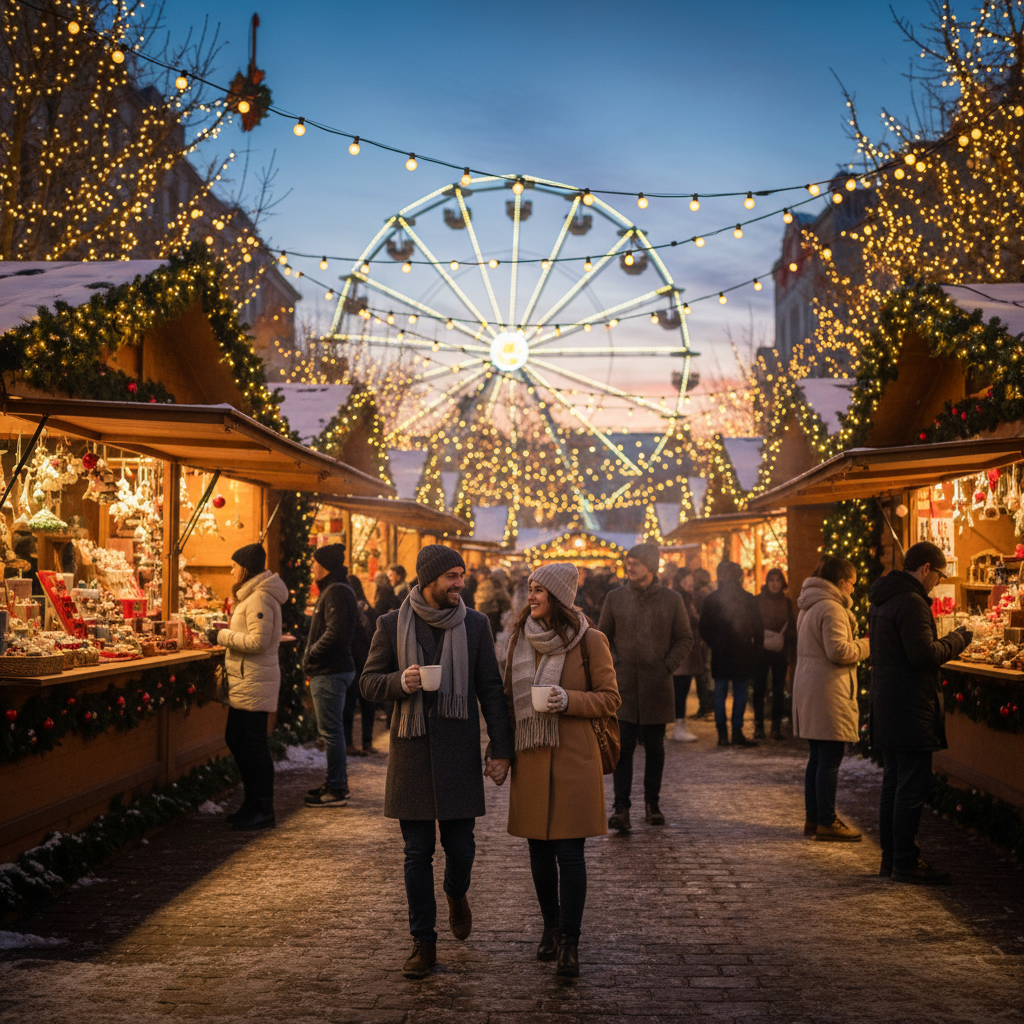
This guide focuses on what an experienced traveler typically wishes they knew earlier, when to go, what to book first, what to eat and buy, and how to avoid turning a charming market into an expensive, crowded checklist.
How to pick a winter market that fits your trip
The “best” market depends less on rankings and more on your constraints. A gorgeous destination can still disappoint if you arrive on the wrong night, stay too far away, or expect a quiet vibe on a peak weekend.
- Trip length: For a 2–3 day trip, prioritize compact city centers and direct flights; for a week, pick a region with easy rail connections.
- Crowd tolerance: Big-name markets bring energy and lines, smaller towns feel slower but may have fewer dates and earlier closing times.
- Budget reality: Lodging and last-minute flights often cost more than the mulled wine and souvenirs.
- Weather comfort: Cold, wet nights can shrink your patience fast, so covered stalls, indoor halls, and nearby cafes matter.
Key takeaway: Choose your “anchor city” first, then add one or two nearby markets as day trips, not five must-sees that leave you rushing.
Top winter market travel spots in Europe (classic, walkable, iconic)
If you want the storybook feel, Europe remains the benchmark for winter markets, but the experience varies by city layout and the market’s role in local life.
Vienna, Austria
Vienna offers multiple markets with slightly different personalities, some grand and touristy, others more local. It’s easy to pair markets with museums, concerts, and coffeehouse breaks when the wind picks up.
Strasbourg, France
Often called a Christmas-capital type destination, Strasbourg can be stunning, and very busy. If you go, consider staying slightly outside the busiest core while keeping transit simple.
Munich & Nuremberg, Germany
Germany’s markets range from famous central squares to neighborhood setups. Nuremberg is classic, Munich is flexible for flights and day trips, and both reward early evenings over late-night crowd surfing.
Prague, Czech Republic
Prague’s historic backdrops do a lot of the work. Many visitors love it most on weeknights when you can actually linger at a stall without feeling pushed along.
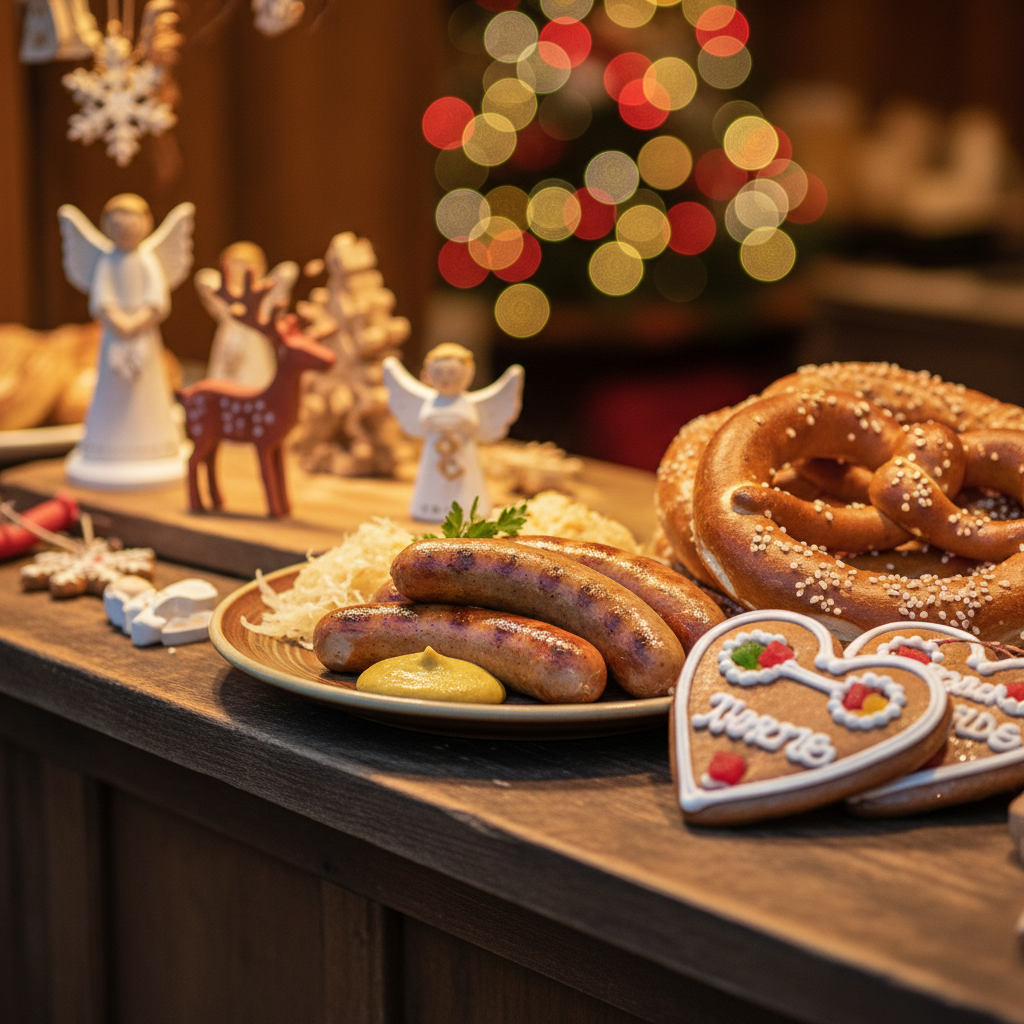
Planning note: Many European markets are seasonal and date-specific, and some close earlier than people expect. According to the European Travel Commission, checking official destination websites and local tourism sources helps travelers confirm seasonal schedules and current conditions before booking.
Great winter market travel spots in the U.S. (easy weekend trips)
In the U.S., winter markets often lean into makers, food halls, pop-ups, and city-sponsored holiday events. The best ones tend to be the markets you can reach easily and enjoy without a long commute from your hotel.
New York City, New York
NYC markets are high-energy and convenient if you already plan to see shows or museums. Go with a strategy, arrive early, shop first, snack after, then loop back for photos once you’ve dropped bags.
Chicago, Illinois
Chicago’s winter vibe can be intense in the best way, but wind can cut the night short. Look for markets near warm indoor options so you can reset and keep going.
Boston, Massachusetts
Boston often feels naturally “holiday-ready,” and compact neighborhoods make it easy to stack market time with historic walks and restaurant reservations.
Denver, Colorado (and other mountain-adjacent cities)
Mountain gateways can combine markets with scenic day trips. Just keep an eye on road conditions and consider flexibility if weather turns.
Key takeaway: For U.S. trips, prioritize markets that sit near other things you already want to do, rather than building the whole itinerary around a single pop-up.
Quick comparison table: pick your vibe fast
Use this table to narrow choices before you fall into the rabbit hole of “top 50 markets” listicles.
| Traveler type | Best-fit market style | What to book early | Common mistake |
|---|---|---|---|
| Weekend minimalist | One big central market + nearby sights | Hotel in walkable core | Staying far out to save money, then losing hours commuting |
| Food-first traveler | Markets with strong local specialties | Key restaurant reservations | Only eating market food, then burning out on repeats |
| Gift hunter | Makers markets, craft-heavy stalls | Checked bag plan or shipping supplies | Buying fragile items on night one with no packing plan |
| Family group | Early-hours markets, kid-friendly activities | Tickets for nearby attractions | Arriving late and expecting short lines |
| Romantic getaway | Smaller towns, scenic squares, evening lights | One “nice dinner” slot | Over-scheduling multiple cities, no time to wander |
A simple planning checklist (so the trip stays cozy)
This is the part most people skip, then wonder why the trip feels hectic.
- Confirm market dates and hours: Use the official city tourism site when possible, not just social posts.
- Pick two market windows: One daytime visit for shopping, one evening visit for lights and atmosphere.
- Stay within a short walk: In cold weather, “close enough” often means you actually return to the market after a break.
- Bring payment flexibility: A mix of cards and some cash is helpful; vendor setups vary.
- Pack for standing still: Markets involve slow walking and waiting, so warmth matters more than you think.
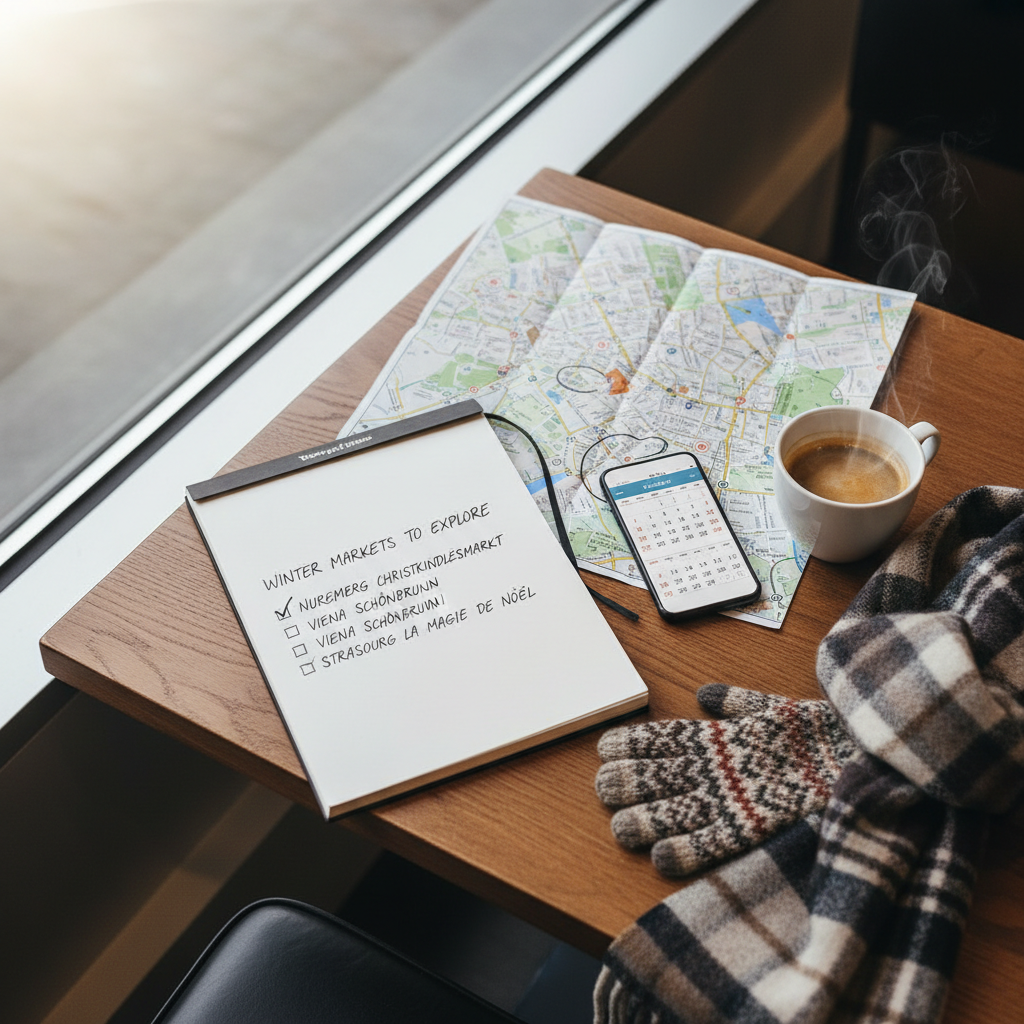
Safety note: Winter travel can involve ice, low visibility, and weather delays. According to the U.S. National Weather Service, checking forecasts and alerts before heading out can reduce risk; if conditions look severe, adjusting plans is usually smarter than pushing through.
What to buy, what to skip, and how to avoid tourist traps
There’s nothing wrong with buying a classic souvenir, but a lot of regret comes from impulse purchases that feel “cute” until you pack your bag.
Usually worth it
- Edibles you can finish quickly: Local sweets, spice blends, small packaged treats.
- Small handmade goods: Ornaments, candles, ceramics, knit items if quality feels solid.
- Market-specific items: Limited-run designs or local craft associations, when clearly labeled.
Approach with caution
- Bulky decor: Looks great, travels poorly, and shipping costs can surprise you.
- Mass-produced “handmade”: If every stall sells the same item, it might not be local craft.
- Fragile glass: Buy only if you have a packing plan or can ship safely.
Quick tell: Ask the vendor where it’s made. Legit makers usually answer clearly, resellers often stay vague.
Practical tips for crowds, timing, and photos
Most winter market travel spots peak on Friday and Saturday nights. If you only go during peak hours, you’ll assume the market is “overrated,” when you really just saw it at its most chaotic.
- Go early once: Arrive near opening time for easier browsing and better vendor conversations.
- Save photos for blue hour: The 20–40 minutes after sunset often gives the best light and the best glow.
- Eat off-peak: Grab a late snack after the main dinner rush to avoid the longest lines.
- Choose one signature treat: Trying everything turns into constant queuing.
Key takeaway: Two shorter visits usually beat one marathon night, your feet, your wallet, and your mood all last longer.
Conclusion: make it cozy, not complicated
The most satisfying winter market trips are the ones built around a simple center, one walkable base, a couple of market windows, and room to wander without chasing every “must-see.”
If you pick winter market travel spots based on your real constraints, time, budget, and cold tolerance, you’ll come home with better memories and fewer logistics headaches. Choose your anchor city, book a convenient stay, and let the market be the highlight, not the whole grind.
FAQ
What are the best winter market travel spots for a 3-day weekend?
Look for a city where the main market sits near hotels and other attractions, so you can do two market visits without long transit. In many cases, that matters more than the market’s fame.
When should I book hotels for popular winter markets?
If you’re aiming for peak weekends, booking earlier often gives you better location options. Waiting can still work, but you may trade savings for longer commutes in the cold.
Are winter markets kid-friendly?
Many are, especially in daytime. Evening crowds can feel tight and noisy, so families often do better with earlier visits and a clear meet-up point.
How do I avoid overspending at a holiday market?
Set a small “try-anything” budget for food and a separate cap for gifts, then do one full lap before buying. That quick lap prevents repeat purchases and impulse “panic buys.”
Do I need cash at winter markets?
It depends on the city and vendor setup. Cards are common, but having some cash can help with small purchases or faster lines, especially at busy stalls.
What should I wear to stay comfortable?
Dress for standing still, not just walking. Warm socks, wind-resistant layers, and gloves you can use with your phone tend to matter more than a heavier coat alone.
Are European winter markets open on Christmas Day?
Many close or have limited hours around major holidays, and it varies by destination. Confirm on official tourism sites so you don’t build a plan around a closed square.
If you’re planning a trip and want a more tailored shortlist, like which winter market travel spots fit a direct-flight weekend from your home airport, which ones stay lively midweek, and what to book first, share your dates and budget range and you can get a tighter, less stressful plan.