
River delta travel destinations are some of the most reliable places to see big bird numbers fast, but they can also be confusing to plan because tides, seasons, and access rules change what you’ll actually see.
If you’ve ever shown up to a famous delta and found empty mudflats, closed boardwalks, or birds too far out to identify, you already know the pain: the place was “right,” the timing and setup weren’t.
This guide helps you pick a delta that fits your target birds, comfort level, and trip style, then shows how to plan around water levels, wind, and crowd patterns so you come home with sightings, not just photos of reeds.
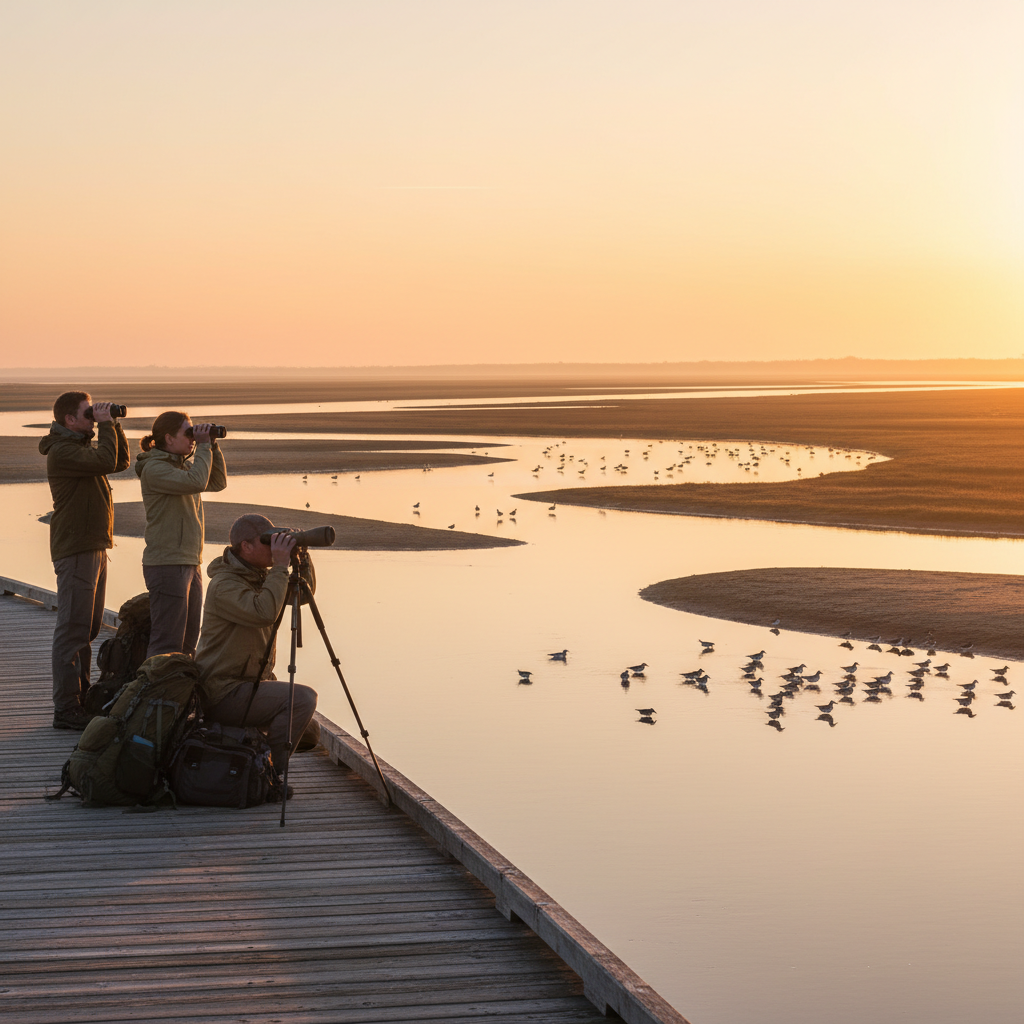
Why river deltas are bird magnets (and why trips fail)
Most deltas concentrate food in a way upland habitats can’t, think nutrient-rich sediments, shallow water, and edge habitat where fish, insects, and plants stack up.
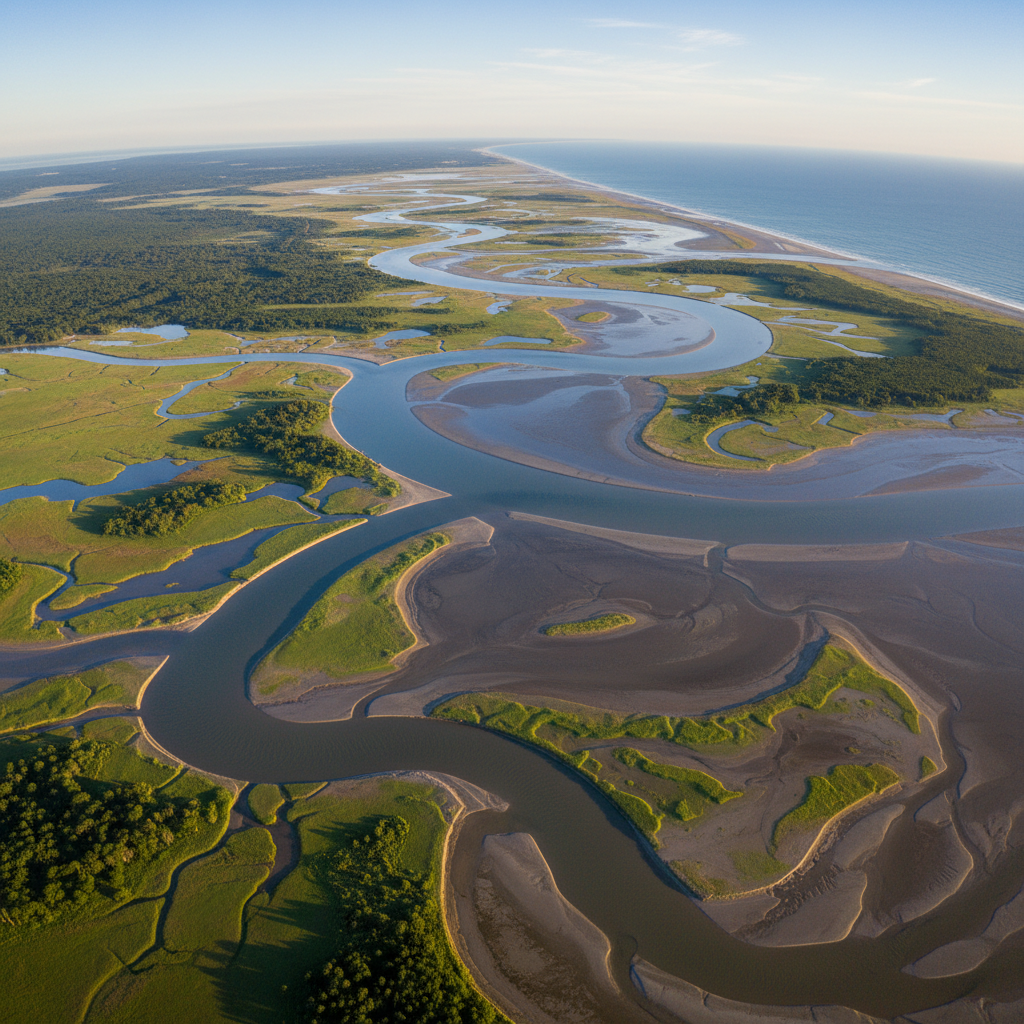
- Water meets land in layers: mudflats, reed beds, open water, and sand spits can sit within one short walk, which means more niches for different species.
- Rest stops for migration: many deltas sit on flyways, so the “ordinary” week can turn into a sudden fall-out of migrants when weather shifts.
- Predictable feeding windows: tides and river flow expose feeding areas on a schedule, which is great if you time it, frustrating if you don’t.
Where birding trips usually go sideways is less about the destination and more about logistics: you arrive at the wrong tide, you can’t reach the good viewing angle, or haze and heat shimmer make identification miserable at mid-day.
Quick self-check: which delta trip fits you?
Before you pick a pin on the map, decide what kind of birding day you actually want, this prevents “epic-sounding” deltas from turning into a slog.
- New to birding or traveling with family: prioritize boardwalks, visitor centers, short loops, and nearby food/lodging.
- Photography-focused: look for blinds, sunrise access, and calmer wind conditions, distance-to-subject matters more than species list.
- Life list chasing: pick places known for seasonal specialties (cranes, geese, shorebirds) and plan around peak windows.
- Low-mobility needs: confirm paved paths and accessible viewing platforms, many wetlands have them, but not all.
- You hate crowds: choose shoulder seasons, weekdays, and larger deltas with multiple entry points.
Key point: for river delta travel destinations, “best” usually means best for your timing and access, not the most famous name.
Top river delta travel destinations for birds (by region)
Below are well-known options birders often plan around. Exact hotspots inside each delta can shift by year and water management, so treat these as starting points, not a single must-stand-here map pin.
United States
- Sacramento–San Joaquin River Delta (California): waterfowl, raptors, and winter concentrations, plus plenty of levee roads and refuge access nearby.
- Mississippi River Delta / Delta National Wildlife Refuge (Louisiana): pelicans, waders, seabirds, and marsh specialists, conditions can be weather-sensitive and access may require more planning.
- Skagit River Delta (Washington): famous for wintering swans and raptors; good for short, high-reward winter day trips if you watch road conditions and viewing etiquette.
Canada & Mexico
- Fraser River Delta (British Columbia): shorebirds and waterfowl in migration and winter; multiple viewpoints, but timing and tides matter a lot.
- Colorado River Delta region (Mexico): desert-meets-wetland birding can be excellent in the right season, though routes and site access can vary, go with local updates.
International “bucket list” deltas
- Danube Delta (Romania/Ukraine): huge wetland system with pelicans and diverse marsh birds; typically best as a guided boat-based trip.
- Okavango Delta (Botswana): iconic safari wetland with birds plus mammals; logistics and cost are a different tier, but the experience is hard to match.
Planning table: match season, birds, and conditions
This is the part many people skip, then wonder why the “same” delta looks empty. Use it to narrow what to book and when to show up.
| When | What you’re likely to see | What can ruin it | Practical fix |
|---|---|---|---|
| Spring migration | Songbird waves, shorebirds, mixed flocks | Cold fronts, sudden storms, trail closures | Build 1–2 buffer days, use eBird/local reports |
| Summer breeding | Herons, terns, colony nesting activity | Heat shimmer, bugs, nesting-area restrictions | Go early, pack repellent, respect closures |
| Fall migration | Big shorebird numbers, raptors, mixed waterfowl | Wind direction shifts birds offshore | Choose leeward viewpoints, watch wind forecast |
| Winter | Geese, ducks, swans, eagles (some regions) | Fog, short daylight, icy access roads | Late-morning start on foggy days, traction plan |
According to U.S. Fish & Wildlife Service, staying on designated trails and observing seasonal wildlife-area closures helps protect sensitive habitat, especially in wetlands where disturbance can burn energy birds need to survive.
How to actually plan a delta birding day (step-by-step)
Think of this as a simple workflow. It sounds basic, but it prevents the common “we drove two hours and saw nothing close enough to identify” outcome.
1) Start with tide and water level, not the checklist
In many deltas, tide height controls whether feeding areas are exposed. Even inland deltas can be affected by water releases or seasonal flooding.
- Pick 2–3 viewing areas that work on different tide stages, so you can pivot.
- If you don’t track tides, choose a destination with platforms over open water and managed impoundments, you’ll still see birds when mudflats hide.
2) Use recent sightings, but read between the lines
Birding apps and local listservs help, but pay attention to context: distance, light direction, and whether a sighting was from a boat, a closed dike, or a refuge road you can’t drive.
3) Build your day around light and wind
- Morning: better light, more activity, less heat shimmer.
- Windy afternoons: pick sheltered edges, birds often tuck into lee-side channels.
- Backlit viewpoints: gorgeous scenery, tough IDs, plan those for “scenic time,” not your critical checklist push.
4) Pack like a delta regular
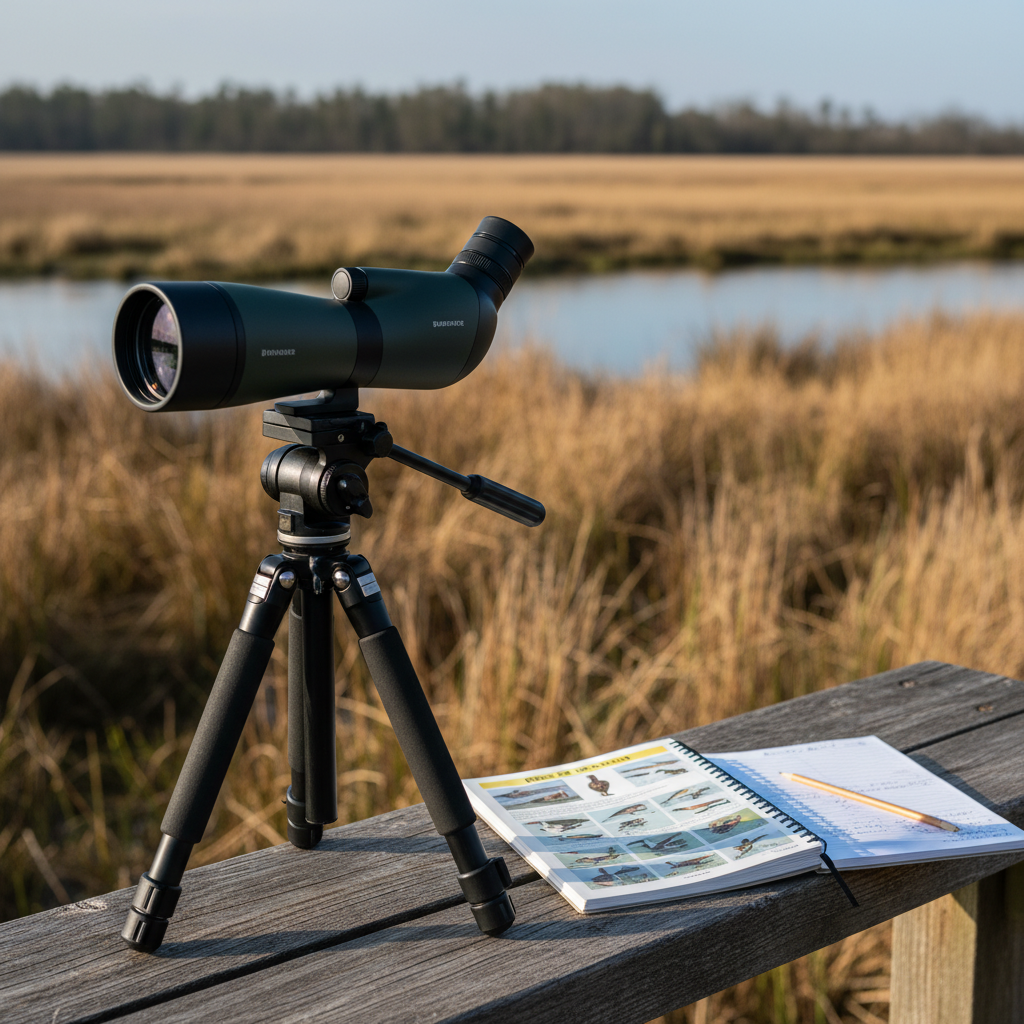
- Optics: binoculars are non-negotiable; a scope helps on open flats.
- Footwear: waterproof shoes beat trail runners more often than people expect.
- Layers: deltas run cooler and windier than nearby towns.
- Bug plan: repellent and long sleeves can save your attention span.
Common mistakes (the ones people repeat anyway)
- Chasing a single hotspot: deltas shift, wind shifts, access changes. Have a Plan B and C within 30 minutes.
- Ignoring distance-to-bird: a “high species count” location can still be bad for viewing if birds feed far out.
- Walking too fast: in reed edges and scrubby transition zones, pausing often reveals more than miles covered.
- Overplaying playback: it can stress birds and is restricted in some areas. According to Audubon, minimizing disturbance and avoiding harassment behaviors supports ethical birding.
- Underestimating exposure: open wetlands amplify sun and wind, dehydration and sunburn are common even on cool days.
When to get local help (and what “help” should look like)
Guides and local birding groups are most valuable when the delta requires boats, has complicated access rules, or when you’re targeting a narrow seasonal window.
- Consider a guide if: you need boat channels, you’re new to shorebird ID at distance, or you have only one morning in town.
- Consider a refuge tour or visitor center staff tip if: water levels changed recently and you need the “where are they today” answer.
- For safety: if conditions include extreme heat, storms, strong currents, or remote levees, local advice can reduce risk. If you have health concerns, it’s reasonable to consult a medical professional before remote or high-heat trips.
Conclusion: pick the delta that matches your reality
River delta travel destinations reward planning more than almost any other birding trip, because the same landscape can feel empty at one hour and overflowing the next.
If you do one thing this week, check the tide or water schedule for your target dates, then choose two alternate viewpoints with different exposure and access. That small move usually upgrades the whole trip.
FAQ
What makes a river delta good for birdwatching?
Food density and habitat variety do most of the work: shallow water, mudflats, and marsh edges create feeding zones for shorebirds, ducks, waders, and raptors in one compact area.
How do I choose between two river delta travel destinations?
Pick based on seasonality and access, not hype. If one delta has predictable boardwalk viewing and the other requires long-distance scanning or boats, the “easier” site often produces more usable sightings for most travelers.
Is birding in deltas better at high tide or low tide?
It depends on the species and site layout. Low tide can expose feeding flats, while high tide may concentrate birds closer to roost areas, which can be easier to view if you find the right roost viewpoint.
What gear matters most in open delta habitats?
Binoculars matter everywhere, but open deltas often reward a spotting scope because birds can sit far off on flats or open water. A wind-resistant tripod is a quiet upgrade.
Are river deltas safe to visit on your own?
Many are safe in the everyday sense, but conditions can change quickly with weather, tides, and heat exposure. If you’re going off the main platforms or into remote areas, tell someone your plan and check local advisories.
How can I avoid disturbing birds while watching or photographing?
Stay on marked trails, keep distance, and let birds set the boundary, if they flush repeatedly, you’re too close. According to National Park Service guidance on wildlife viewing, giving animals space reduces stress and keeps experiences safer for everyone.
What’s the easiest way to find current bird activity in a delta?
Look for the most recent local reports and then confirm access, a “today” sighting is only useful if the viewpoint is open and the birds are still reachable from land.
If you’re planning a trip and want a more streamlined way to shortlist river delta travel destinations, build a simple “target species + season + access comfort” note and share it with a local birding group or guide, you’ll usually get sharper recommendations than generic top-10 lists.