
Spring break travel ideas usually sound simple until you open your banking app, try to align schedules with friends, and realize prices jump fast once the dates get close. The good news, you don’t need a luxury budget to get a real break, you need the right trip shape: how far you go, who you go with, and what you spend on versus what you skip.
This guide focuses on options that tend to work well for U.S. students, from quick road trips to flight-based escapes, with practical ways to keep costs predictable. I’ll also flag the stuff people ignore until it hurts, like hidden fees, safety basics, and how to avoid coming home more stressed than when you left.

If you want a quick win, aim for one “anchor” decision today: either pick a destination within a 4–6 hour travel radius, or lock a total budget cap per person. Everything else gets easier once those two stop being vague.
What students usually want from spring break (and what gets in the way)
Most spring break plans come down to a few priorities, and the conflicts between them cause the drama.
- Low cost but also “Instagram-worthy” tends to push people into overpriced hotspots.
- Big group vibes but mismatched budgets often create awkward splits and last-minute cancellations.
- Rest while still feeling like you “did something,” which is harder if every day has a packed itinerary.
- Safety without killing the fun, usually solved by basics, not paranoia.
According to the U.S. Department of State, travelers should review destination-specific advisories and enroll in STEP for international trips. Even for domestic travel, the habit of checking official guidance tends to prevent avoidable headaches.
Quick self-check: which type of trip fits you best?
Before you scroll more spring break travel ideas, answer these honestly. Your trip will feel “cheap” or “expensive” mostly based on fit, not just the headline price.
- Time: Do you have 3–4 days, or a full week including travel?
- Budget reality: Are you comfortable at $300, $700, or $1,200+ all-in?
- Energy: Do you want nightlife, nature, or a reset with a slower pace?
- Group size: Two people, four people, or a big crew that needs rules?
- Transport: Do you have a reliable car, or will you need flights?
If you’re unsure, default to a drivable trip with a shared rental house or a budget hotel, it keeps decisions reversible.
Popular spring break travel ideas (by vibe)
Here are student-friendly categories that typically work in the U.S. market. I’m keeping the options broad on purpose, because the “best” pick depends on where you start and what’s already expensive during your week.
1) Beach + sunshine (fun, but book early)
- Florida Gulf Coast towns beyond the obvious party centers
- South Padre Island, Texas if you can split housing with friends
- Southern California beach cities if you can stay slightly inland
Beach trips get pricey when everyone wants to be walkable to the water, so the move is often to stay 10–20 minutes away and budget for parking or rides.
2) City break (food, museums, nightlife)
- Chicago for architecture, comedy, and deep-dish weekends
- New Orleans for music and culture, with a firm plan for safety and transit
- Washington, DC for free museums and predictable costs
City trips reward planning because you can build a full itinerary around free or low-cost anchors, then spend intentionally on two “big” things, like a show and one iconic meal.

3) National parks + outdoors (high value, needs logistics)
- Utah’s parks for dramatic scenery, but watch weather swings
- Smoky Mountains for cabins and hikes that suit groups
- Arizona for desert trails and big-sky viewpoints
Outdoors trips look cheap until you add vehicle costs, park fees, and gear you don’t own. If you do this, plan a simple food strategy and bring the basics you’d rather buy once than re-buy on the road.
4) “Staycation but make it a trip” (the underrated option)
- Book one night at a nicer local hotel and pool it with friends
- Do a day-trip loop: morning hike, late lunch, sunset viewpoint
- Try a new neighborhood and set rules: no classes, no part-time job shifts
For many students, this is the best spring break travel idea when time and cash are tight, because you still get the mental reset without long travel friction.
Budget reality: a simple comparison table
Costs vary a lot by dates, starting city, and how early you book, so use this as a planning starting point, not a guarantee.
| Trip style | Typical spend drivers | Where students overspend | Easy savings lever |
|---|---|---|---|
| Drivable beach | Housing, parking, dining | Walk-to-beach location | Stay inland, cook breakfast |
| Major city weekend | Hotel rates, rideshares, events | Surge rides and last-minute tickets | Transit passes, book 1–2 paid activities early |
| National parks road trip | Gas, car wear, gear, park fees | Buying gear on-site | Borrow gear, pack groceries |
| International budget trip | Flights, insurance, exchange rates | Changing flights, baggage fees | Travel light, lock dates, compare total fare |
How to plan your trip in 60 minutes (a realistic workflow)
If your group keeps stalling, do this in one sitting and stop reopening every decision. That’s usually where plans die.
- Pick the trip “container”: 3 nights or 5 nights, drivable or flight, and a hard per-person cap.
- Choose 2 destination finalists: one “dream,” one “safe backup” that is cheaper or closer.
- Price the big three: transport, housing, and food plan. If one breaks the cap, drop it.
- Decide the booking trigger: “When 80% of the group pays their share, we book.”
- Assign one owner per category: one person for housing, one for transport, one for itinerary.
For spring break travel ideas that involve flights, build a baggage plan early. A “cheap” fare turns expensive when two people add checked bags and everyone buys airport food because no one packed snacks.
Safety, health, and money basics students forget
This isn’t meant to scare you, it’s about avoiding the predictable problems that ruin day two.
- Share your plan: one trusted person gets your lodging address and rough schedule.
- Know local transport: late-night rideshares can be limited or pricey, plan a fallback.
- Set group rules: buddy system at night, and a meet-up point if phones die.
- Don’t skip insurance blindly: for international travel or expensive bookings, insurance might help, but terms vary, read what is covered.
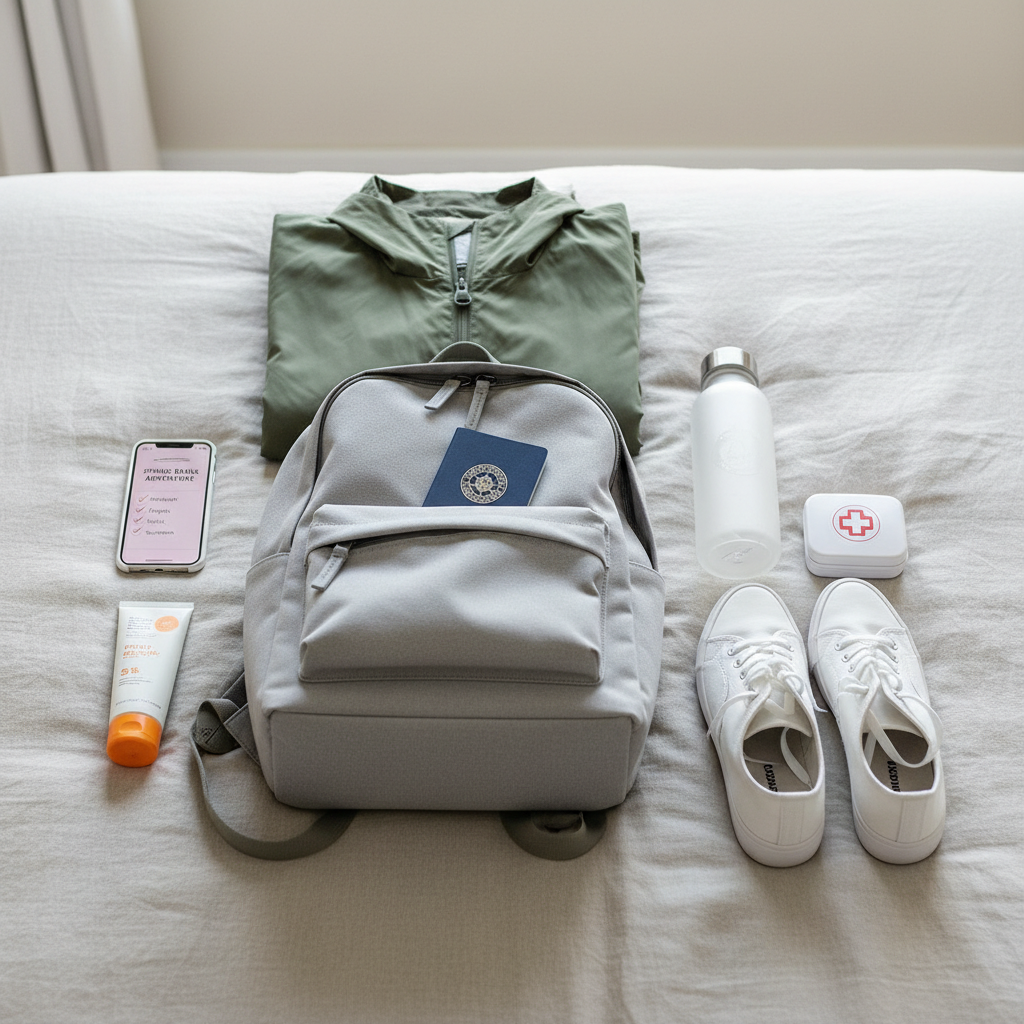
- Check entry requirements: passports, expiration dates, and any health guidance. According to the Centers for Disease Control and Prevention, travelers should review destination-specific health recommendations before international trips.
If you have a medical condition, travel anxiety, or take prescriptions, it may help to ask a clinician or pharmacist about travel considerations, especially for time zone changes or activities like hiking.
Common mistakes that quietly make trips miserable
These are the patterns that show up every year, usually from people who had “a plan,” just not a usable one.
- Overpacking the itinerary, then arguing because nobody can keep up. Leave one blank half-day.
- Not agreeing on the money style, some people want to cook, others want restaurants every meal.
- Booking non-refundable everything when your group is still flaky. Sometimes flexibility is worth paying for.
- Chasing the same viral hotspot as everyone else, the line is the activity and it gets old fast.
A trip feels “budget” when expectations match reality. That’s the unsexy truth behind most successful spring break travel ideas.
Key takeaways you can act on today
- Lock a per-person cap and a trip length first, destination comes second.
- Split lodging smartly, staying slightly outside the hotspot often saves the most.
- Pick 1–2 paid anchors and build free fun around them, you’ll remember the mix better.
- Put basic safety in place early, it keeps the group relaxed rather than tense.
Conclusion: make it easy to say yes
The best spring break trip usually isn’t the most “iconic,” it’s the one your group can actually commit to without money stress. If you do one thing after reading, choose a realistic budget cap and pick two destination finalists, then price transport and housing tonight while availability is still decent.
If your friends are already drifting into “we’ll figure it out,” simplify the plan, shorten the trip, or choose a drivable option. A smaller, cleaner trip beats a complicated plan that never gets booked.
FAQ
What are the best spring break travel ideas for students on a tight budget?
Drivable trips with shared lodging tend to stretch money the farthest, especially if you cook some meals. A city with free attractions or a national park loop can feel like a big getaway without big-ticket spending.
How far in advance should students book spring break travel?
Many groups do better booking as soon as dates are known, since flights and popular lodging can jump quickly. If you’re late, consider less obvious destinations and focus on flexible cancellation policies.
Is an all-inclusive resort a smart option for spring break?
It can be, but only if you actually plan to use what’s included. If your group likes exploring and eating out, an all-inclusive price may not pay off the way it looks on day one.
How do you split costs fairly with friends?
Agree on categories before booking, lodging, transport, groceries, and “optional fun.” Then use a shared note and one payment app, with a clear deadline for everyone to pay their portion.
What are safer alternatives to crowded party destinations?
Smaller beach towns, mid-size cities, and outdoor-focused trips often feel calmer while still being social. The safety boost usually comes from fewer high-intensity environments and easier logistics, not from one magic location.
Are international spring break trips worth it for students?
They can be memorable, but they’re less forgiving if something changes, like flight disruptions or passport issues. If you go international, keep the itinerary simple, carry key documents securely, and review official travel guidance.
How can I avoid overspending during the trip?
Decide in advance what you’ll splurge on, maybe one nice dinner or one paid activity, then keep the rest predictable with groceries and free plans. Most overspending happens from constant “small” convenience buys.
If you’re trying to turn spring break travel ideas into an actual booked plan, a simple itinerary template and a shared budget sheet can save a surprising amount of back-and-forth, especially for groups where everyone has different spending comfort.