
Best travel guide for france 2026 usually comes down to two things travelers actually struggle with: choosing where to go (France is bigger than it feels on a map) and building a plan that survives real life, train delays, rain days, and sold-out tickets.
If you’re traveling from the US, the friction points are predictable, time zones, jet lag, short trip windows, and the feeling that you “have to” do Paris plus everything else. You don’t, and honestly that pressure is what makes many France trips feel rushed.
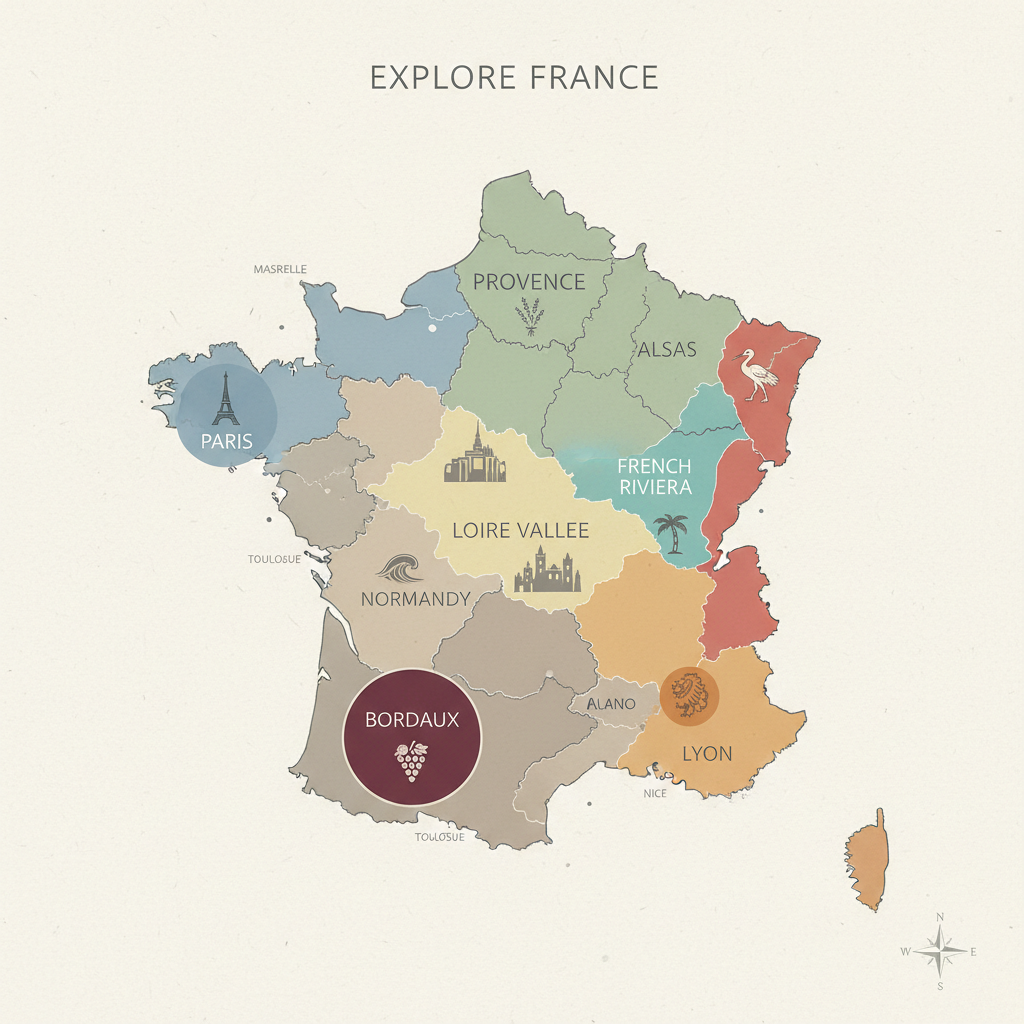
This guide keeps the focus practical, how to pick regions by season, how to move around without wasting half your vacation, what to reserve early, and where travelers commonly overpay. You’ll also get a simple planning table you can copy into your notes.
How to use this guide (and avoid the “too much France” itinerary)
Start by deciding what kind of trip you want, then choose 1 anchor city plus 1–2 regions. In many cases, that’s the difference between a trip that feels cinematic and one that feels like a checklist.
- First time, 7–10 days: Paris + one nearby region (Loire Valley, Champagne, Normandy) or Paris + Provence with a flight.
- Food and wine focus: Lyon + Provence, or Bordeaux + Basque Coast, with fewer museum-heavy days.
- Small towns and scenery: Alsace villages + Annecy/Chamonix, or Provence + Luberon.
- Family-friendly pacing: one base city, short day trips, and fewer hotel changes.
According to SNCF (France’s national railway), high-speed trains connect major cities efficiently, but popular routes can sell out or get pricey as dates approach, so your planning order matters.
Where to go in France in 2026: regions that match your vibe
People search for the best travel guide for france 2026 hoping there’s a single “best” route. Reality is more personal, your perfect France depends on weather tolerance, budget, and how much you like moving hotels.
Paris (and easy add-ons)
Paris earns the hype, but it’s also the easiest place to overbook yourself. Build in neighborhoods, cafés, and one “wander” block per day, not just monuments.
- Great add-ons: Versailles, Giverny, Champagne (Reims), Loire Valley (châteaux)
- Good for: first-timers, art lovers, winter trips, travelers without a car
Provence and the South (Provence, Côte d’Azur)
For landscapes, markets, and long lunches, the South often delivers. The catch is that the best villages reward travelers who rent a car, especially outside big cities.
- Great for: lavender season (usually early summer), shoulder season sunshine, coastal towns
- Watch-outs: peak summer crowds, tight parking, higher coastal pricing
Normandy and Brittany
These regions feel grounded and less “performed.” If you like history, seafood, and dramatic coasts, they’re strong picks. Weather can change quickly, so plan indoor options.
- Great for: WWII history, Mont-Saint-Michel, road-trip style days
- Typical rhythm: 2–3 nights in one base, then a second base

Alsace (Strasbourg, Colmar, villages)
Alsace is compact, charming, and very manageable for a shorter trip. It’s a smart answer when you want “storybook France” without crossing the whole country.
- Great for: Christmas markets, wine routes, bikeable towns
- Getting around: trains between major towns, car for villages
Quick self-check: what kind of France trip are you planning?
If you’re stuck, it’s often because you haven’t picked a travel style. Use this quick check and choose the option that feels most like you.
- I hate packing and changing hotels → pick one base city and do day trips.
- I get bored in cities after 2–3 days → do one city + one countryside region.
- I want iconic photos but not crowds → travel shoulder season, go early mornings, and add smaller towns.
- I’m watching costs → reduce internal flights, stay slightly outside center, book key trains earlier.
- I’m traveling with parents/kids → avoid “two cities in two days,” keep transit under 3 hours.
Once you know your style, the best travel guide for france 2026 becomes less about “the list” and more about building a plan you can actually enjoy.
Planning table: choose your route, nights, and transport
Copy this structure into your notes and fill it in. It’s intentionally simple, because complicated plans break faster.
| Trip Length | Recommended Bases | Typical Transport | Best For |
|---|---|---|---|
| 5–7 days | Paris only, or Paris + 1 nearby region | Metro + day trip trains | First visit, museums, food |
| 8–10 days | Paris + Provence, or Paris + Normandy/Brittany | TGV + local train, optional car | Balanced city and scenery |
| 11–14 days | 2–3 bases, avoid more than 4 hotels | TGV + car in countryside | Deeper regional travel |
| 14+ days | 3–4 bases, add a slower week | Mix of trains, car, short flights | Wine regions, small towns |
Bookings that matter in 2026: what to reserve early vs. what can wait
France is doable last-minute, but a few items become stressful if you leave them too late. The trick is booking what has limited capacity, then keeping the rest flexible.
Book earlier (often)
- Popular museum time slots in Paris on weekends and peak season
- Long-distance trains on busy routes and holiday weekends
- Small, well-reviewed hotels in tiny towns where inventory is thin
- Special meals you truly care about, especially in Michelin-starred spots
Usually okay to book later
- Neighborhood bistros and casual dining
- Many guided walking tours (except peak dates)
- Most day trips if you’re not locked into a specific time
According to U.S. Department of State, travelers should review entry requirements and local advisories before international travel, which is worth doing again closer to departure since policies can change.
Practical, on-the-ground tips Americans tend to appreciate
This is the stuff that rarely makes it into glossy itineraries, but it’s what keeps your days running smoothly.
- Transit time costs energy: a “2-hour” train leg often becomes half a day once you add packing, check-out, station time, and check-in.
- Pick one scenic splurge: a Seine dinner cruise, a Champagne day, a countryside cooking class. One memorable upgrade beats five mediocre extras.
- Plan for Sundays: many shops close or keep shorter hours, especially outside Paris, build that into expectations.
- Money habits vary: cards work widely, but some small places prefer card minimums or cash, having a little cash reduces friction.
- Adapters and eSIM: not glamorous, but sorting connectivity early saves time when you’re tired.
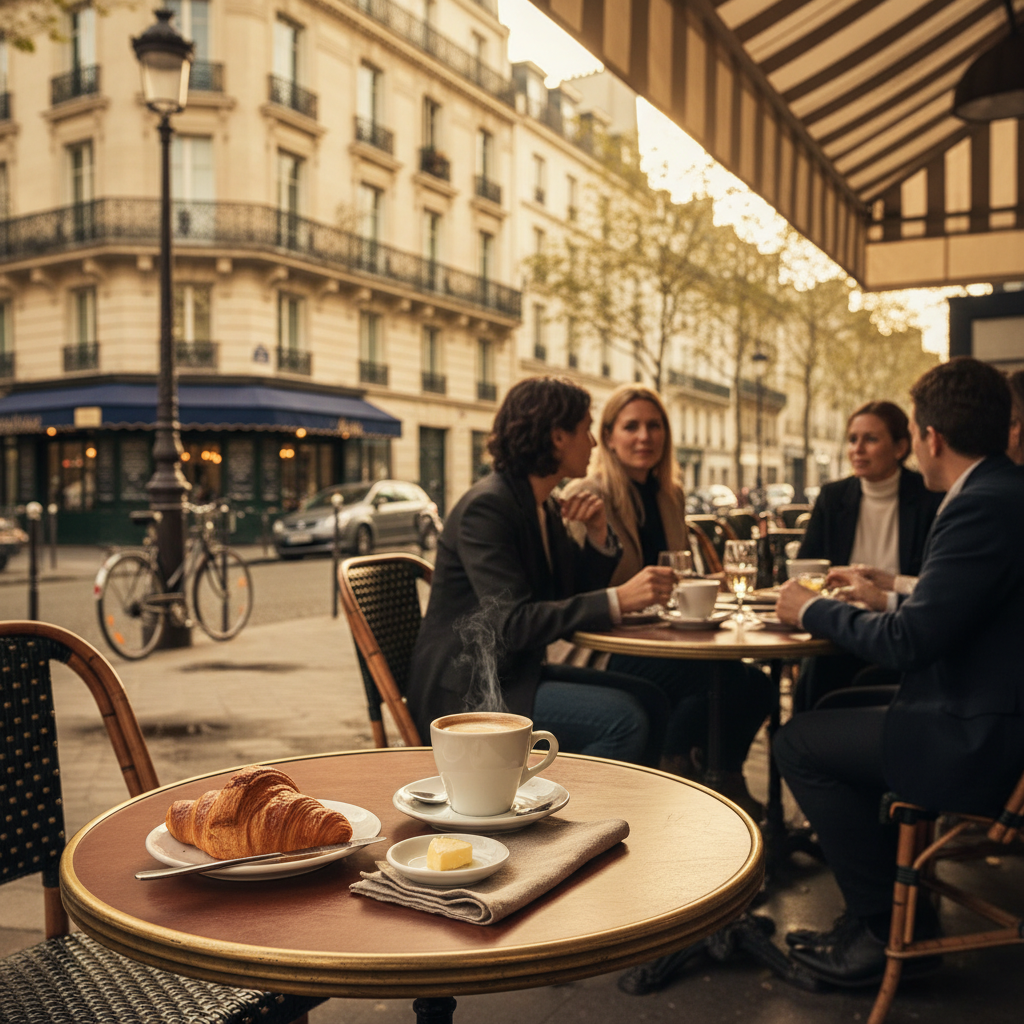
Key takeaway: If your plan feels “tight,” it will feel even tighter on day three when jet lag and weather show up. Leave margin on purpose.
Safety, etiquette, and “don’t waste your money” mistakes
Most trips go smoothly, but a few small choices reduce avoidable hassles. For safety topics, common sense beats paranoia, and if you have specific medical or legal concerns, it’s wise to consult a professional.
Common mistakes to skip
- Too many bases: changing hotels every other day sounds efficient and often feels exhausting.
- Overpaying for “skip-the-line” bundles: sometimes it’s useful, sometimes it’s just repackaged tickets, read what’s actually included.
- Assuming a car is always better: in cities, it can be a headache; in countryside, it can be freedom.
- Ignoring pickpocket risk in crowded areas: keep bags closed and valuables out of easy reach, especially on transit.
Etiquette that improves interactions
- Start with a greeting, a quick “hello” before questions often changes the tone.
- Restaurant pacing is slower, asking for the check when you’re ready is normal.
- Dress is personal, but many places skew smart-casual, especially at night.
Putting it together: a simple 9-day sample framework
If you want a starting point, this framework is intentionally realistic, it keeps transit manageable and still feels varied.
- Days 1–4: Paris (one big museum day, one neighborhood day, one day trip, one flexible day)
- Days 5–7: Provence base (Avignon or Aix-en-Provence), markets, villages, one winery or cooking experience
- Days 8–9: Nice or back to Paris depending on flights and priorities
Adjust the bases, not the logic. That’s the heart of a best travel guide for france 2026 approach: fewer moves, better days.
Conclusion: France rewards travelers who pick a lane, one anchor city, one or two regions, and a plan with breathing room. Your next step is simple: choose travel dates, select bases from the table, then reserve only the limited-capacity items. If you want, share your trip length and interests, and I can help you sanity-check a draft itinerary before you start booking.