
Best travel guide for seychelles 2026 searches usually come from the same headache: you want the “dream islands” experience, but you don’t want to overpay, pick the wrong island, or show up in the wrong season and spend half the trip dodging rain.
This guide aims to cut through the pretty photos and get practical about what actually changes your trip: which islands match your vibe, how to move around without burning a day in transit, what to reserve early, and where travelers tend to misjudge costs.
I’ll also flag the decisions that matter most for Americans planning from far away, like flight routing, jet lag pacing, and when it’s worth paying for convenience versus when it’s just marketing.
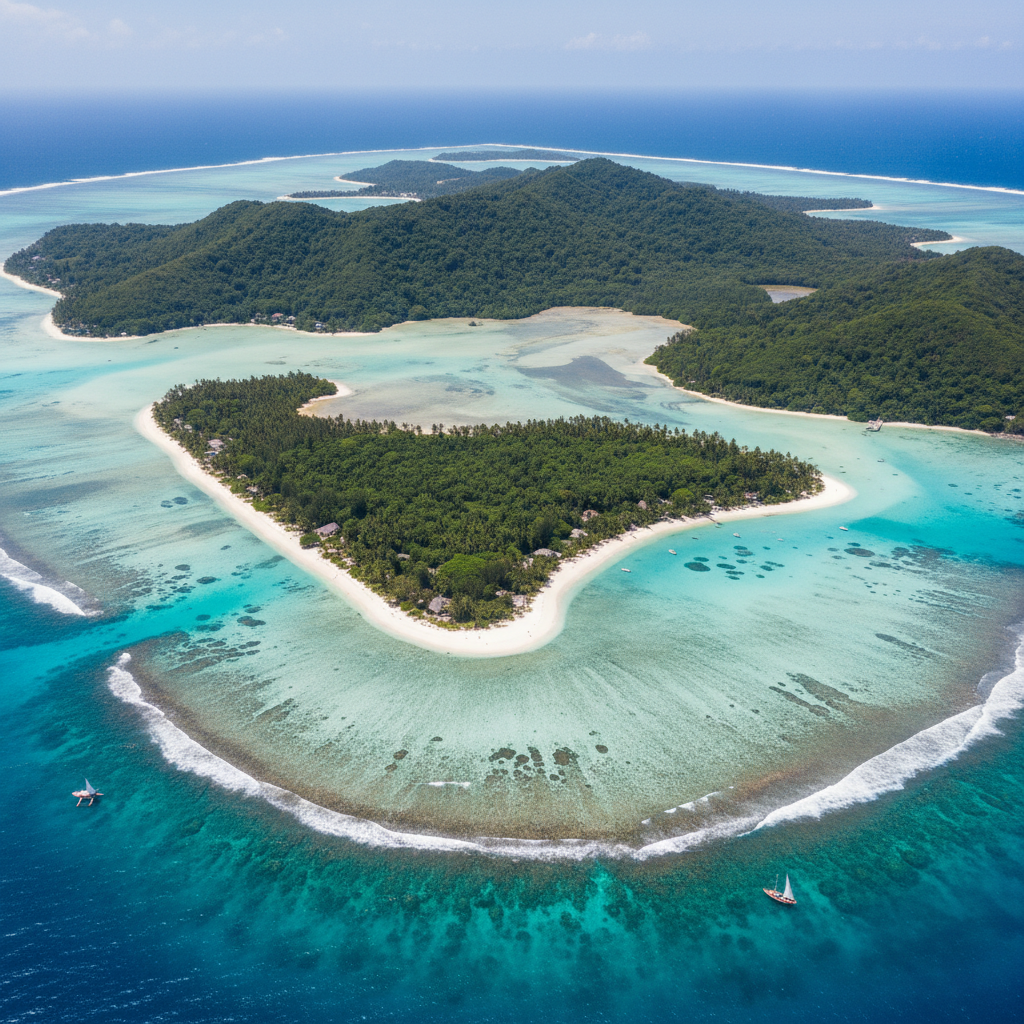
What to Know Before You Book (Reality Check for 2026)
Seychelles is small on the map, but it doesn’t behave like a “one resort, one beach” destination. The big trip-shapers tend to be logistics, not attractions.
- Island-hopping is the point for many people, but ferries, short flights, and check-in times can quietly eat days.
- Prices swing by season and inventory, and last-minute deals are less reliable for popular islands than travelers expect.
- Weather is micro-climate driven, so “rainy season” doesn’t automatically mean constant storms, but it can change sea conditions and visibility.
According to the U.S. Department of State, travelers should review the latest destination information before departure, including entry requirements and local conditions. That’s boring advice, but it’s the kind that saves a trip when rules shift.
Choosing the Right Islands: Mahé vs Praslin vs La Digue
If you only remember one thing from this best travel guide for seychelles 2026, let it be this: pick islands based on your daily rhythm, not on a single iconic beach photo.
Mahé: best for flexibility and dining
Mahé is where the international airport is, and it’s often the most practical base if you want variety, restaurants, or the option to day-trip.
- Good for: first-timers, drivers, hikers, food-focused travelers
- Watch-outs: traffic at peak times, beaches feel more “local life” than secluded fantasy
Praslin: best for beach-resort balance
Praslin is the middle ground: calmer than Mahé, easier than ultra-remote islands, and a common pick for couples who want resort comfort without being isolated.
- Good for: beach days, relaxed pacing, short excursions
- Watch-outs: limited nightlife, some areas feel quiet after dinner
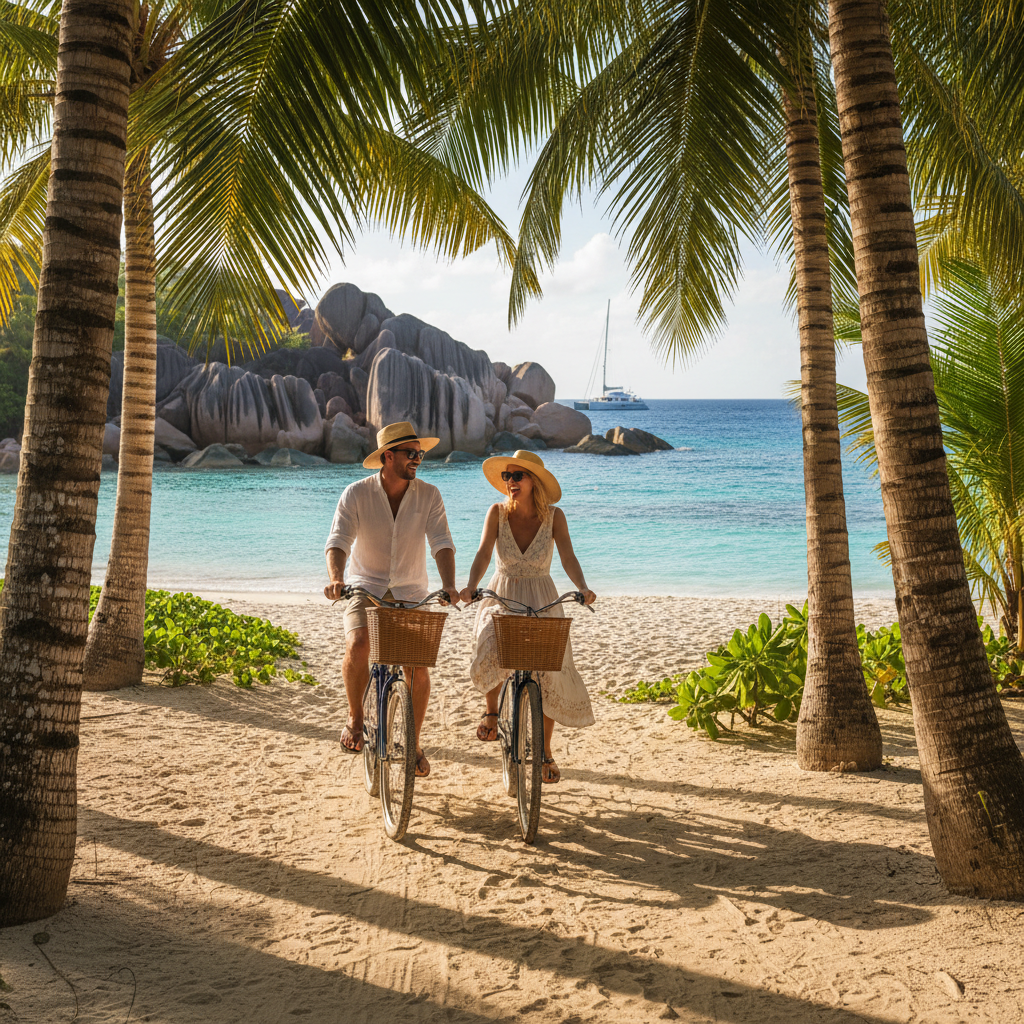
La Digue: best for slow travel and bikes
La Digue is the “postcard” mood—bikes, short distances, fewer cars. It’s beautiful, but it’s not built for rushing.
- Good for: photographers, laid-back travelers, short stays (2–3 nights often feels right)
- Watch-outs: fewer room options, dinner reservations matter more than you’d think
Best Time to Visit Seychelles (And What “Best” Really Means)
People ask for the “best month,” but what you’re really optimizing is sea conditions, heat, humidity, and price. Trade winds can make certain coasts choppier, which matters if you get seasick, plan boat days, or care about snorkeling clarity.
- For calmer seas: many travelers aim for shoulder periods when winds are lighter, but conditions vary by island and coastline.
- For lower crowds: avoid major holiday windows when possible, especially if you want specific boutique hotels.
- For diving/snorkeling: visibility can shift; ask operators what they typically see in your travel window.
According to the World Meteorological Organization, island weather can be strongly influenced by seasonal wind patterns, which is why local guidance often beats generic “rainy vs dry” charts.
Sample Itineraries (7, 10, and 14 Days)
Below are routes that keep transit realistic. The goal is fewer “packing and checking out” mornings and more actual beach hours.
7 days: classic highlights without chaos
- 2 nights Mahé (arrival buffer, a hike or beach day)
- 3 nights Praslin (beaches, easy excursions)
- 2 nights La Digue (bike days, sunrise/sunset photos)
10 days: slower, with room for weather shifts
- 3 nights Mahé
- 4 nights Praslin
- 3 nights La Digue
14 days: add a “splurge” or a remote-feel island
- 3 nights Mahé
- 5 nights Praslin
- 3 nights La Digue
- 3 nights on a smaller island or a high-comfort resort stay (book early)
Key point: if your flight timing forces a very late arrival or early departure, spending those nights on Mahé reduces stress, especially for Americans dealing with long-haul fatigue.
Costs, Booking Timeline, and a Simple Budget Table
Seychelles can feel expensive because you pay for distance and limited inventory. The trick is deciding where you want comfort and where you’re fine staying simple.
- Save money by mixing a few mid-range nights with a short “wow” stay.
- Spend for convenience when it protects your time, like minimizing extra ferry hops.
- Plan meals: resorts can be pricey; local takeaways and small restaurants help balance the budget.
| Expense Category | What Drives Price | How to Keep It Reasonable |
|---|---|---|
| Lodging | Island, view, meal plan, inventory | Split-stay, book early for small hotels |
| Inter-island transport | Ferry class, luggage rules, timing | Fewer transfers, align with check-in times |
| Food | Resort dining vs local spots | Mix resort dinners with local lunches |
| Activities | Private boat vs group tour | Group tours for snorkeling, save private for one “big day” |
Booking timing tends to matter more than people expect. For a 2026 trip, many travelers start watching flights early, then lock lodging once dates feel stable, especially on La Digue where choices can narrow fast.
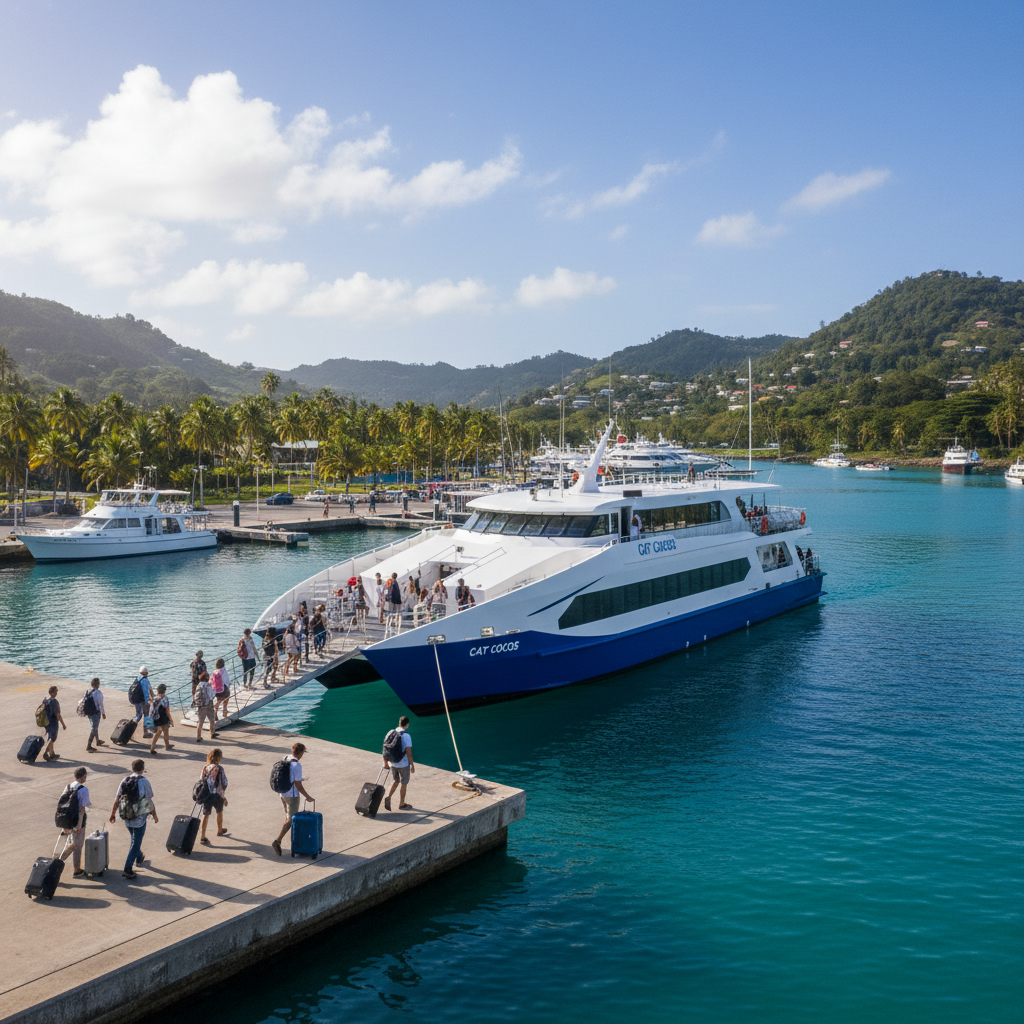
Getting Around: Flights, Ferries, Cars, and “Hidden” Time Costs
This is where many itineraries quietly fall apart. Not because transport is hard, but because it’s easy to underestimate waiting, check-in, and luggage handling.
- Ferries: convenient, but sea conditions can affect comfort. If you’re prone to motion sickness, consider asking a clinician about medication options before the trip.
- Domestic flights: faster point-to-point, sometimes pricier, but can save a half day when schedules line up poorly.
- Car rental on Mahé/Praslin: helpful for flexibility, but plan for narrow roads and parking. Drive cautiously and don’t assume “island roads” means risk-free.
- Biking on La Digue: fun and practical; a small daypack and water go a long way.
According to the Centers for Disease Control and Prevention (CDC), travelers should consider how activities and transportation choices affect safety and health planning for international trips, which includes basic preparation like hydration and sun protection.
Practical Tips That Actually Improve the Trip
Here are the decisions that tend to pay off, even if they seem small.
- Build a “buffer afternoon” after arrival: a swim, an early dinner, and sleep often beats forcing an excursion.
- Choose one signature experience (private boat day, special dinner, upgraded room) and keep the rest simple.
- Pack reef-safe basics: sun protection, light rain layer, and footwear for wet rocks.
- Keep cash plus cards: smaller vendors may prefer cash, but practices vary.
- Respect marine life: don’t touch coral, don’t chase turtles, and follow operator guidance.
Quick self-check: what type of Seychelles traveler are you?
- If you get restless after two quiet nights, keep more time on Mahé.
- If you want “no decisions” days, prioritize Praslin resort time.
- If you hate repacking, cap island changes at two.
- If seasickness is a concern, reduce ferry legs or choose timing carefully.
Common Mistakes (So You Don’t Spend Your Vacation Fixing Plans)
Most errors come from copying an itinerary that looks good online but doesn’t match your constraints.
- Overstuffing islands: three islands in seven days sounds efficient, but it often feels rushed.
- Ignoring check-in/check-out reality: you can lose the best beach hours to logistics.
- Assuming every beach is swimmable every day: conditions change, so keep a backup beach on the other side of the island.
- Not reserving dinners: on smaller islands, popular spots fill up, especially when there are limited alternatives.
If your plan relies on tight connections, special dietary needs, mobility considerations, or medical requirements, it may be worth consulting a travel advisor or clinician for tailored guidance rather than forcing a generic checklist.
Conclusion: A Simple Way to Plan Seychelles Without Overthinking
The best travel guide for seychelles 2026 isn’t the one with the longest list of beaches, it’s the one that helps you choose an island mix you’ll actually enjoy day to day, then protects your time with a realistic route. Keep your transfers few, give yourself arrival breathing room, and spend where it improves comfort rather than where it only looks impressive on paper.
If you want one action step, draft a 3-line plan today: your top two islands, your non-negotiable experience, and your “slow day” rule, then book lodging that supports that plan instead of fighting it.
FAQ
- Is Seychelles a good choice for a first-time international beach trip from the U.S.?
It can be, especially if you like calmer, nature-forward vacations, but the long flight makes pacing important. Many Americans enjoy starting with a couple nights on Mahé to recover before island-hopping. - How many islands should I visit on one trip?
For most people, two islands feels comfortable, three works if you have 10+ days and you don’t mind a bit of transit. More than that tends to trade relaxation for logistics. - Do I need to rent a car in Seychelles?
Not always. On Mahé and Praslin, a car adds flexibility, but taxis and tours can work if you prefer not to drive. On La Digue, biking often covers what visitors want. - What’s the best way to avoid seasickness on ferries?
Choose calmer travel windows when possible, sit where motion feels reduced for you, and consider discussing motion-sickness medication with a clinician before departure if you’re sensitive. - Are Seychelles resorts all-inclusive?
Some offer meal plans, but “all-inclusive” varies by property. Double-check what’s included, especially drinks, transfers, and activity credits. - Is Seychelles safe for snorkeling and swimming?
Many areas are great for swimming, but sea conditions change by season and beach orientation. Follow local advice, heed flags and warnings, and don’t underestimate currents. - How far in advance should I book for 2026?
It depends on your island and hotel type, but smaller properties and high-demand periods often reward earlier booking. Flights can be monitored early, then purchased when schedules stabilize.
If you’re planning Seychelles from the U.S. and want a more streamlined approach, consider using a simple two-island template plus one “signature day,” then adjust hotel locations and transport around your flight times so the trip feels easier, not tighter.