
best hidden travel destinations 2026 is really about one thing, getting the “wow” without the crowds, the inflated prices, or the feeling you’re standing in line for your own vacation.
If you’ve tried to book a popular city lately, you know the pattern, flights spike, the best hotels vanish, and even “hidden gems” on social media look suspiciously busy. The good news is you don’t need to go extreme or risky to find a calmer trip, you just need better criteria and a little timing strategy.
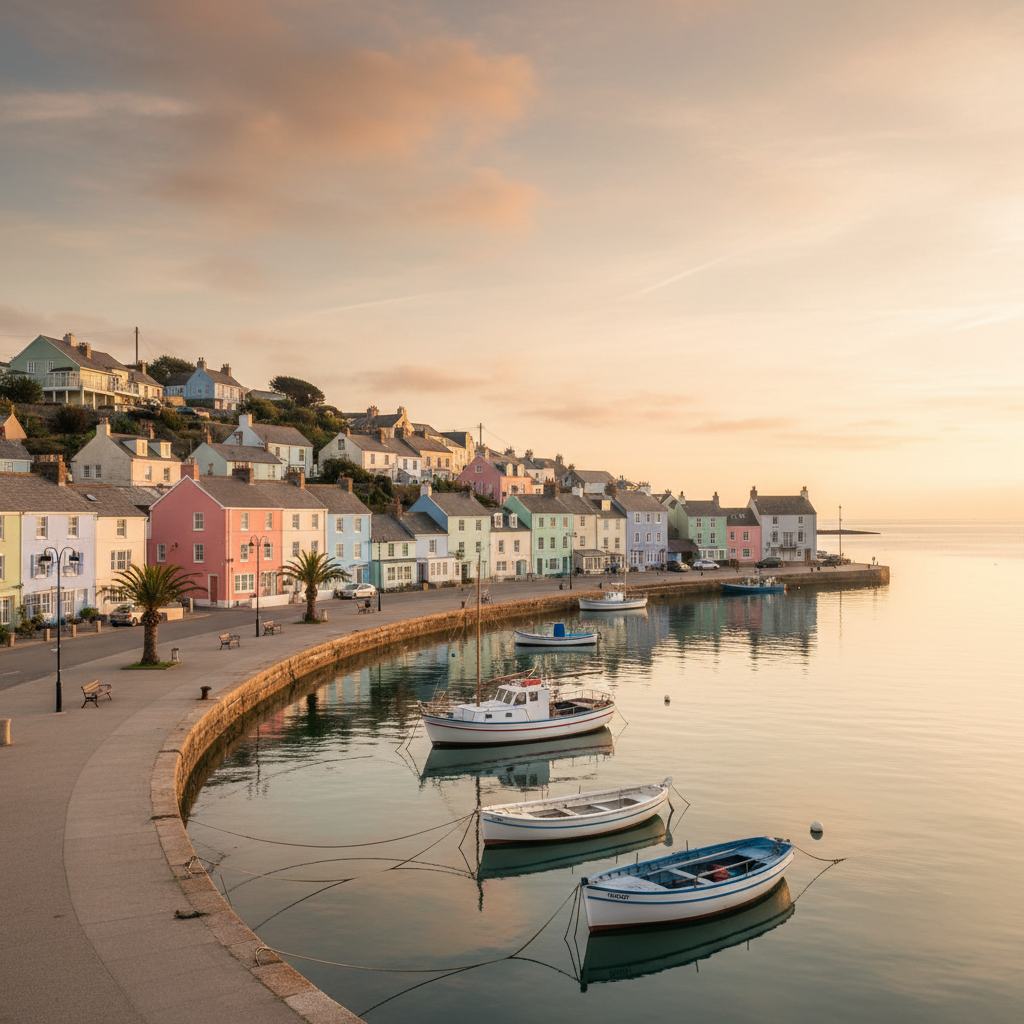
This guide focuses on realistic “hidden” options, places that are typically overlooked by first-time visitors, or destinations that feel busy in peak weeks but become genuinely peaceful if you go one month earlier, choose a different region, or base yourself outside the obvious center.
What “hidden” really means in 2026 (and what it doesn’t)
Let’s be honest, very few places are truly undiscovered. In 2026, “hidden” usually means one of these scenarios, and each one has a different planning approach.
- Overshadowed neighbors: You visit the region everyone wants, but stay in the town that gets ignored.
- Seasonal quiet: Same destination, different month, you trade perfect weather for space and better rates.
- Logistics filter: A place stays calm because it takes one extra connection, a ferry, or a longer drive.
- Experience-based travel: The destination isn’t hidden, but the way you do it is, sunrise hikes, midweek museum days, or rural stays.
What it doesn’t mean is gambling with safety or skipping basic planning. According to the U.S. Department of State (travel.state.gov), travelers should review destination-specific advisories and local conditions, especially when itineraries include remote areas.
A quick self-check: which type of traveler are you?
Before picking places, decide what kind of “hidden” matters to you, because your best option changes a lot.
- I want fewer people: prioritize shoulder seasons and second cities.
- I want better value: prioritize regions with strong public transit and plentiful local lodging.
- I want nature without chaos: prioritize big landscapes with multiple access points, not single “Instagram trailheads.”
- I’m nervous about logistics: pick destinations with easy airport access and a simple base city.
- I’m traveling with kids or parents: choose “quiet comfort” over “hard-to-reach.”
If you’re checking three boxes at once, that’s normal. Just don’t let “hidden” force you into a plan you won’t enjoy, a complicated itinerary can turn into stress fast.
Best hidden travel destinations 2026: a curated shortlist
Below are destinations that tend to deliver a quieter feel without requiring expedition-level planning. Popularity can shift quickly, so treat this as a shortlist to validate against flight routes, local events, and your preferred season.
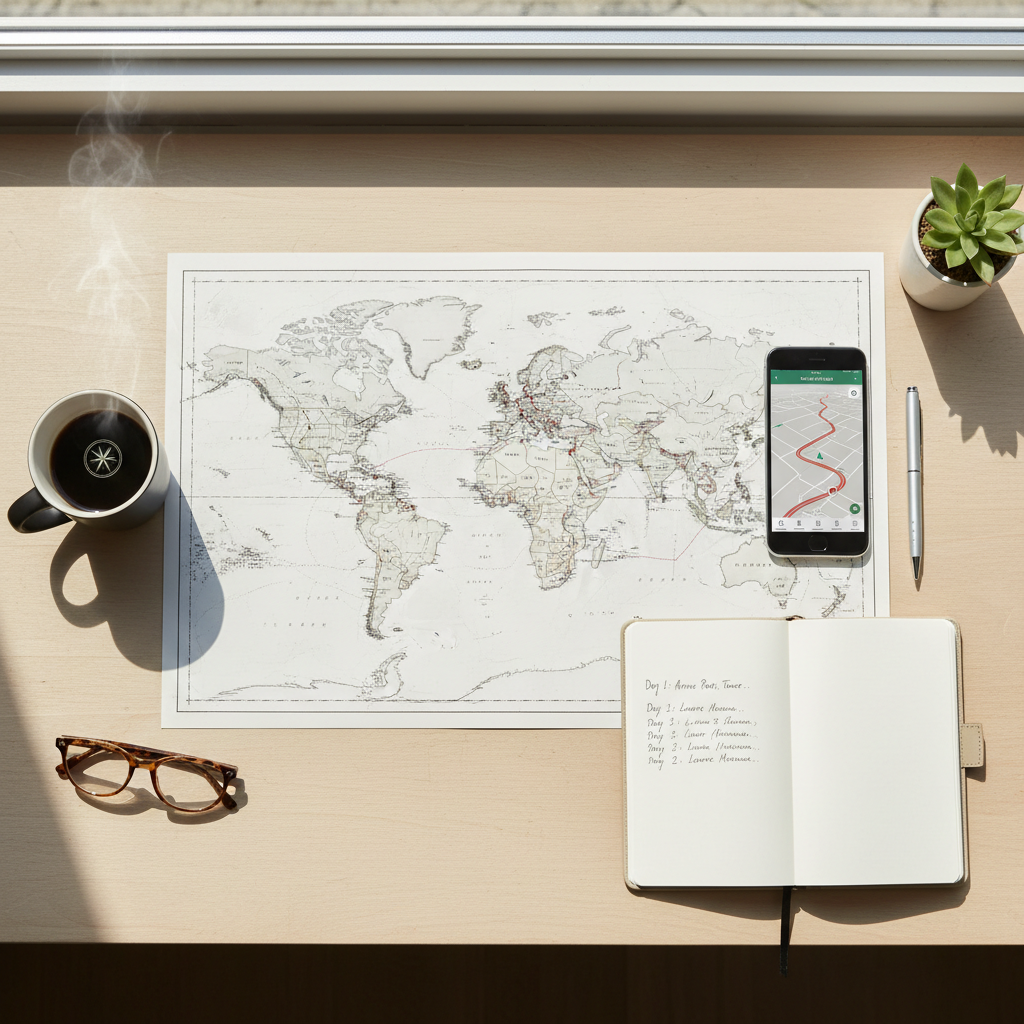
Europe (quieter alternatives to the usual classics)
- Slovenia’s Soča Valley for emerald rivers, small towns, and hikes that feel spacious compared with nearby hotspots.
- Portugal’s Alentejo for slow countryside travel, whitewashed villages, and a calmer rhythm than Lisbon or Porto.
- Northern Greece (Epirus) for stone villages, gorges, and mountain drives that often fly under the radar.
- France’s Jura for lakes, cheese towns, and low-key outdoor days, especially outside school holiday windows.
Latin America (big experiences, fewer bottlenecks)
- Uruguay’s inland wine country for relaxed tastings and small-estancia stays that feel grounded and unhurried.
- Colombia’s Eje Cafetero (coffee region) if you want green landscapes and culture without only focusing on the biggest cities.
- Mexico’s inland colonial towns (less-hyped picks) for walkable centers and food-forward travel, just confirm local conditions and transport comfort.
Asia-Pacific (calm bases, easy day trips)
- Japan’s Setouchi region for island-hopping vibes that can feel calmer than the Tokyo-Kyoto-Osaka loop.
- Taiwan’s east coast for ocean views and rail-accessible towns where the pace slows down.
- New Zealand’s South Island “second stops” where you base outside the most photographed nodes and day-trip in.
US & Canada (quiet without crossing an ocean)
- Michigan’s Upper Peninsula for lakefront scenery and trail time with room to breathe.
- New Mexico’s smaller art towns if you like culture plus wide-open landscapes, especially midweek.
- Newfoundland outports (Canada) for coastal drives and village stays, plan for weather flexibility.
Planning table: where each destination tends to fit best
This is not a promise of crowds or prices, it’s a planning shortcut to help you match the place to the kind of trip you want.
| Destination type | Best for | Common watch-outs | Good planning move |
|---|---|---|---|
| Overshadowed neighbor regions | Low-stress “hidden” feel | Fewer direct flights | Fly into a major hub, take rail or drive |
| Seasonal quiet destinations | Better value, fewer people | Weather variability | Book flexible stays, pack layers |
| Remote nature areas | Hiking, scenery, reset trips | Limited services, patchy signal | Offline maps, conservative day plans |
| Small-town cultural bases | Food, local festivals, craft scenes | Limited restaurant hours | Make 1–2 key reservations, confirm hours |
How to plan hidden destinations without making the trip harder
Most people don’t get stuck on picking a place, they get stuck on making it work with time off, budget, and energy. Here are the moves that usually help.
- Pick one simple base, then add day trips. Two-night hops feel “efficient” but often eat the trip.
- Travel Tuesday to Thursday when possible. Even in 2026, midweek often buys you calmer airports and quieter attractions.
- Use the “one-connection rule” if you hate delays, limit yourself to itineraries with only one connection each direction.
- Anchor your plan on one non-negotiable, a hike, a food experience, a museum, then let the rest stay flexible.
- Stay just outside the postcard center. Ten to twenty minutes away can change the whole vibe and cost.
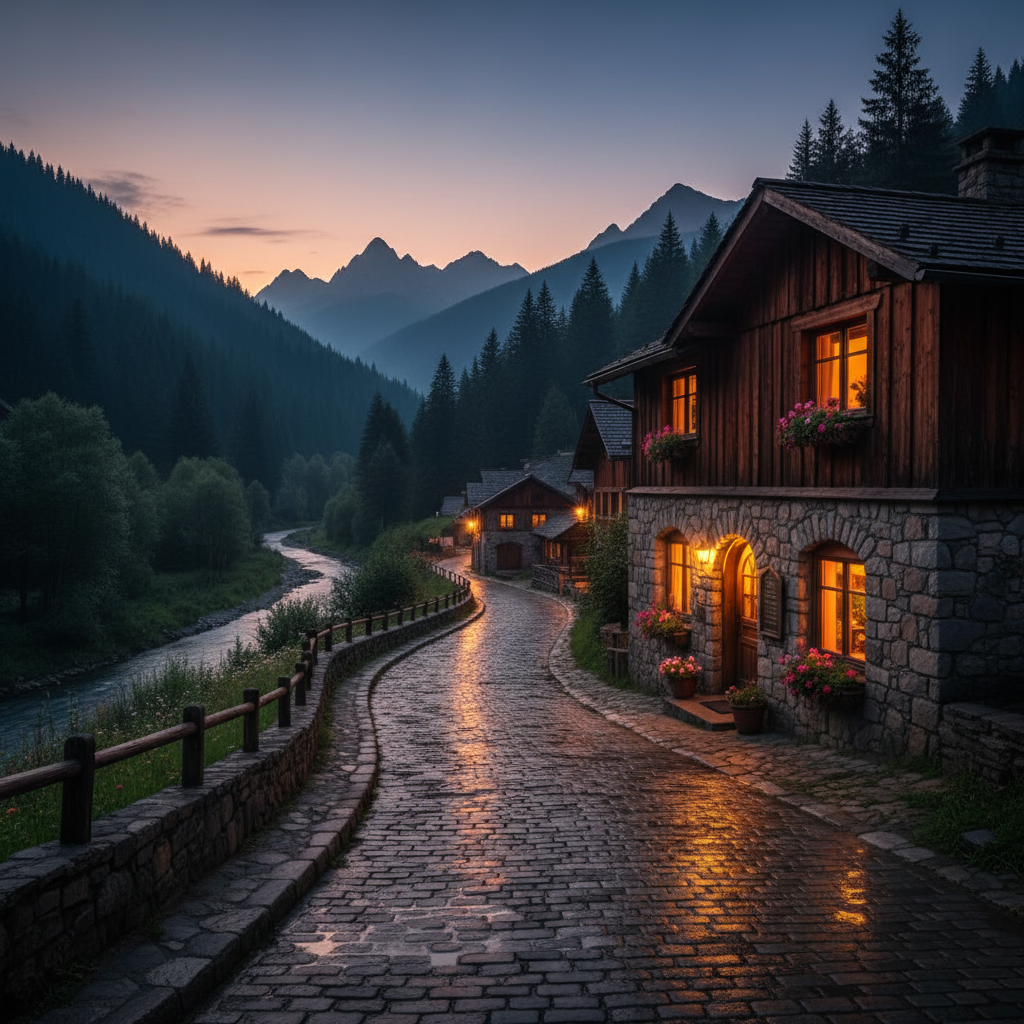
And a practical trick, if you’re searching for best hidden travel destinations 2026, try searching the region plus “market day,” “rail pass,” “shoulder season,” or “base town.” You’ll surface more grounded recommendations than “top 10 secret spots.”
Common mistakes (the ones that quietly ruin “hidden” trips)
Some mistakes look small in planning, then become the reason you feel tired and disappointed on day three.
- Over-optimizing for novelty and ignoring comfort, you end up in a place with nothing open when you need dinner.
- Assuming rideshares exist everywhere, rural areas often require a rental car or pre-booked transfers.
- Underestimating micro-seasons, a “good month” on a blog can still mean fog, rain, or heat waves, depending on the year.
- Confusing “quiet” with “isolated”, if you’re anxious about health, mobility, or language barriers, pick quiet-but-connected.
According to the CDC, travelers should review destination-specific health information and recommended vaccines based on itinerary and activities (cdc.gov). If you have medical considerations, it’s sensible to speak with a clinician or a travel medicine specialist.
Key takeaways and a simple next-step plan
If you only remember a few things, make them these.
- Hidden usually means smarter timing, not a mysterious place nobody knows.
- Choose a base town and day-trip outward, it keeps the trip calm.
- Validate logistics early, flight routes, local transport, and restaurant hours matter more in smaller destinations.
- Safety and health planning still applies, remote doesn’t mean reckless.
Next step: pick one region, pick a shoulder-season window, then shortlist three base towns and check flights plus lodging for the same week. That quick reality check usually reveals which “hidden” plan is actually enjoyable.
If you’re still deciding between a few options, create two versions of the trip, one “easy logistics” and one “adventure logistics,” and see which one you’re genuinely excited to wake up for.