
thermal pool travel guide europe is really about avoiding two classic mistakes: showing up at the wrong time (crowds, closures, bad weather) and packing or booking like it’s a normal city trip.
If you plan it right, a thermal pool stop can become the most restorative part of your itinerary, not an awkward half-day detour where you feel underprepared, overpay for add-ons, or miss key rules like swim-cap requirements.
This guide focuses on practical choices Americans usually care about: where thermal bathing fits into multi-country routes, what to reserve ahead, how much time to budget, and what to do if you’re sensitive to heat, minerals, or crowded indoor spaces.
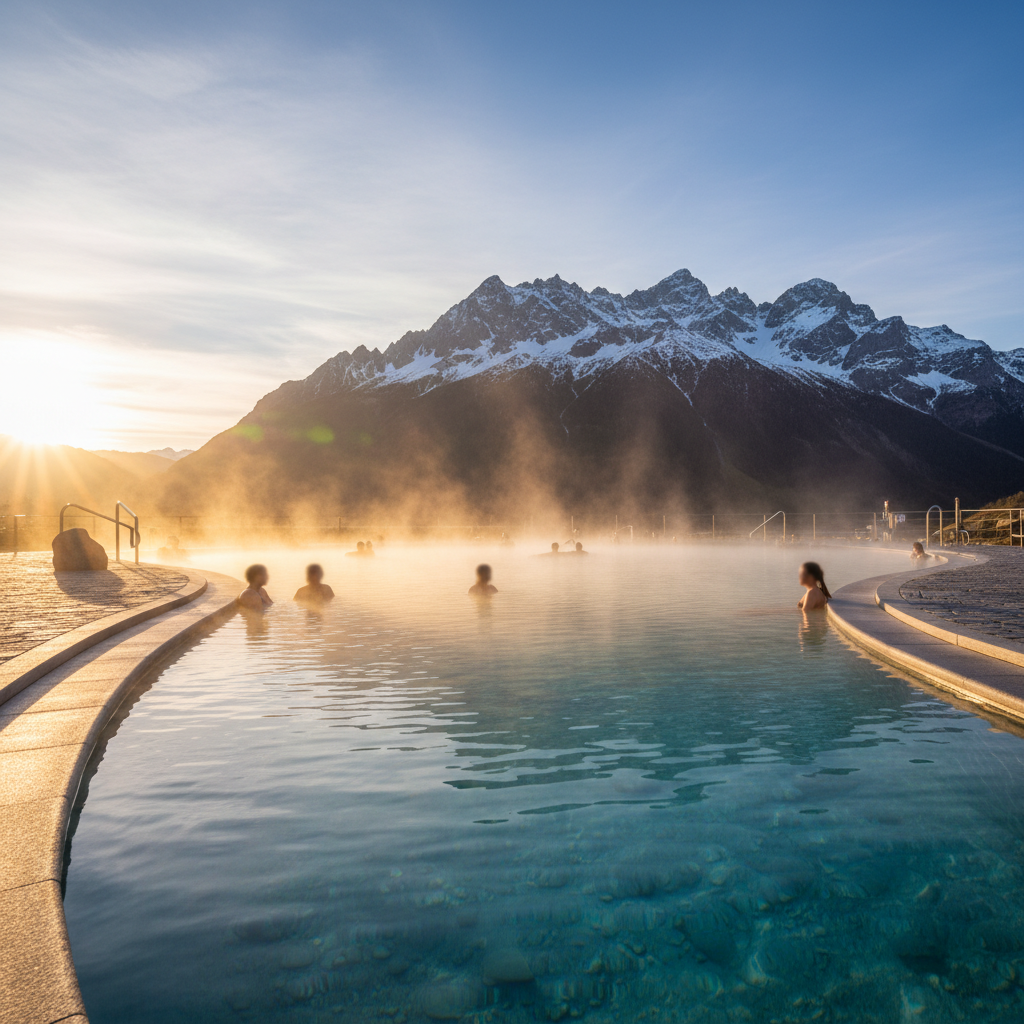
What “thermal pools” mean in Europe (and why it matters)
In Europe, “thermal pool” can refer to very different experiences, and that difference affects your budget, what you pack, and even what’s socially acceptable.
- Thermal baths (historic bathhouses): often in city settings, with ornate architecture, multiple pools, and structured rules. You’ll see this in places like Budapest-style complexes.
- Modern wellness thermal spas: sleek facilities, timed entry, sauna rituals, add-on treatments, and stricter quiet zones.
- Thermal pool resorts: a hotel + pools model, convenient if you want minimal logistics.
- Natural hot springs: more rustic, sometimes free or lightly managed, but with less predictability and more safety variables.
Also, “spa” in Europe frequently means a bathing and sauna culture, not just massages. If you expect an American day-spa vibe, you may feel caught off guard by changing-room setups, nudity norms in sauna areas, or time-based entry.
Picking the right destinations and timing
A good thermal pool itinerary usually starts with one question: do you want a signature experience (iconic architecture, famous water, classic ritual) or a recovery stop (quiet soak after long travel days)? Your answer changes where you go and how long you stay.
High-level seasonal guidance
- Winter (Dec–Feb): the most dramatic for outdoor steaming pools, also the busiest and most expensive in ski regions.
- Shoulder seasons (Mar–May, Sep–Nov): usually the sweet spot for fewer crowds and easier reservations.
- Summer (Jun–Aug): great for lake-adjacent and outdoor complexes, but some indoor thermal halls can feel stuffy and packed.
Many facilities run maintenance closures and reduced hours, especially in low season. Before you lock flights, check the spa calendar, not just Google hours.
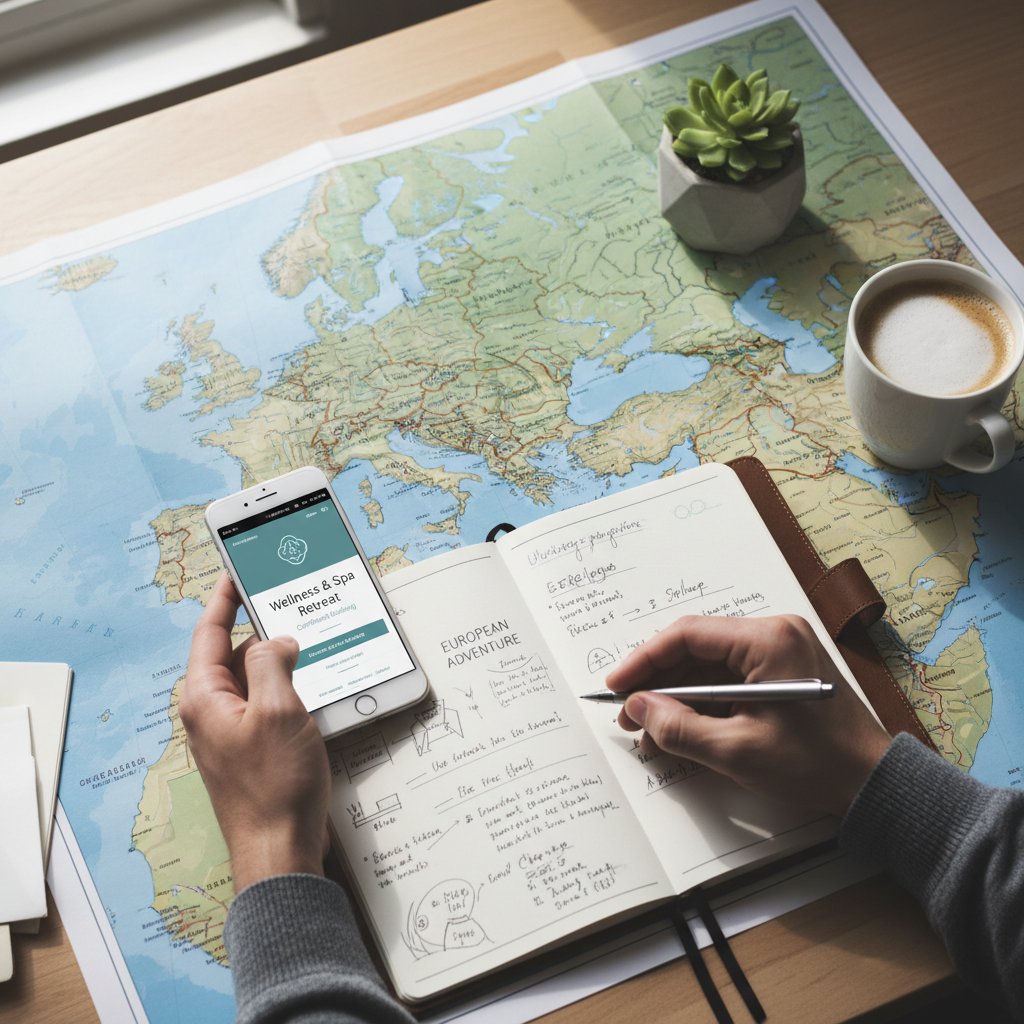
How to decide: city baths vs. mountain thermal pools
- City baths: easier logistics, good for short stays, but lines and crowding are common.
- Mountain/valley pools: more scenic and calming, but you’ll juggle transit, weather, and sometimes limited dining options.
If your trip includes multiple countries, one well-chosen thermal stop often beats trying to squeeze in three. You’ll enjoy it more, and you’ll stop treating it like a checklist item.
Quick self-check: which thermal pool plan fits you?
Use this before you book anything. It helps match your comfort level to the right kind of facility.
- You dislike crowds: prioritize timed-entry modern spas, weekday mornings, and shoulder season.
- You want iconic photos: go for historic bathhouses or outdoor pools with mountain backdrops, but expect more people.
- You’re heat-sensitive: pick places with multiple temperature zones and plenty of cool-down areas.
- You’re traveling with kids: verify age policies, family hours, and whether saunas are adult-only.
- You prefer privacy: look for private soaking rooms or small hotel thermal pools.
If two or more of these feel like “yes,” you’ll do best with a simplified schedule: one main soak, a long break, then a short second session.
Booking, pricing, and what to reserve in advance
In many popular regions, thermal facilities sell out in specific time windows. For Americans used to flexible walk-ins, this is where trips wobble.
Reserve ahead when you see any of the following: timed-entry tickets, weekend travel, holiday weeks, or a facility connected to a famous resort town.
| Item | Often needs advance booking? | Why |
|---|---|---|
| Entry tickets (timed) | Yes | Capacity limits, popular slots sell out |
| Massages/treatments | Usually | Limited therapists, fixed schedules |
| Private rooms | Yes | Few units, high demand for couples |
| Lockers vs. cabins | Sometimes | Cabins can cost more and run out |
| Sauna rituals/aufguss | Depends | Some are first-come, others ticketed |
Refund rules vary by country and operator. If your schedule is tight, choose tickets with rebooking options, even if they cost a bit more.
On-site rules and etiquette Americans often miss
A lot of “bad experiences” come down to mismatched expectations, not the facility itself. This is the part of any thermal pool travel guide Europe visitors wish they had read first.
- Shower rules: many facilities expect a thorough rinse before entering pools. Staff may enforce it.
- Swim caps: some pools require them, some don’t. Check the facility FAQ, not random reviews.
- Sauna culture: in many places, saunas are textile-free or have specific towel rules. If you’re uncomfortable, skip it and stick to pools.
- Quiet zones: talking may be discouraged in certain areas, and phones may be restricted.
- Time limits: timed entry is real, and re-entry rules can be strict.
If you’re unsure, watch what locals do for two minutes. It sounds obvious, but it prevents most awkward moments.
What to pack (and what to leave at home)
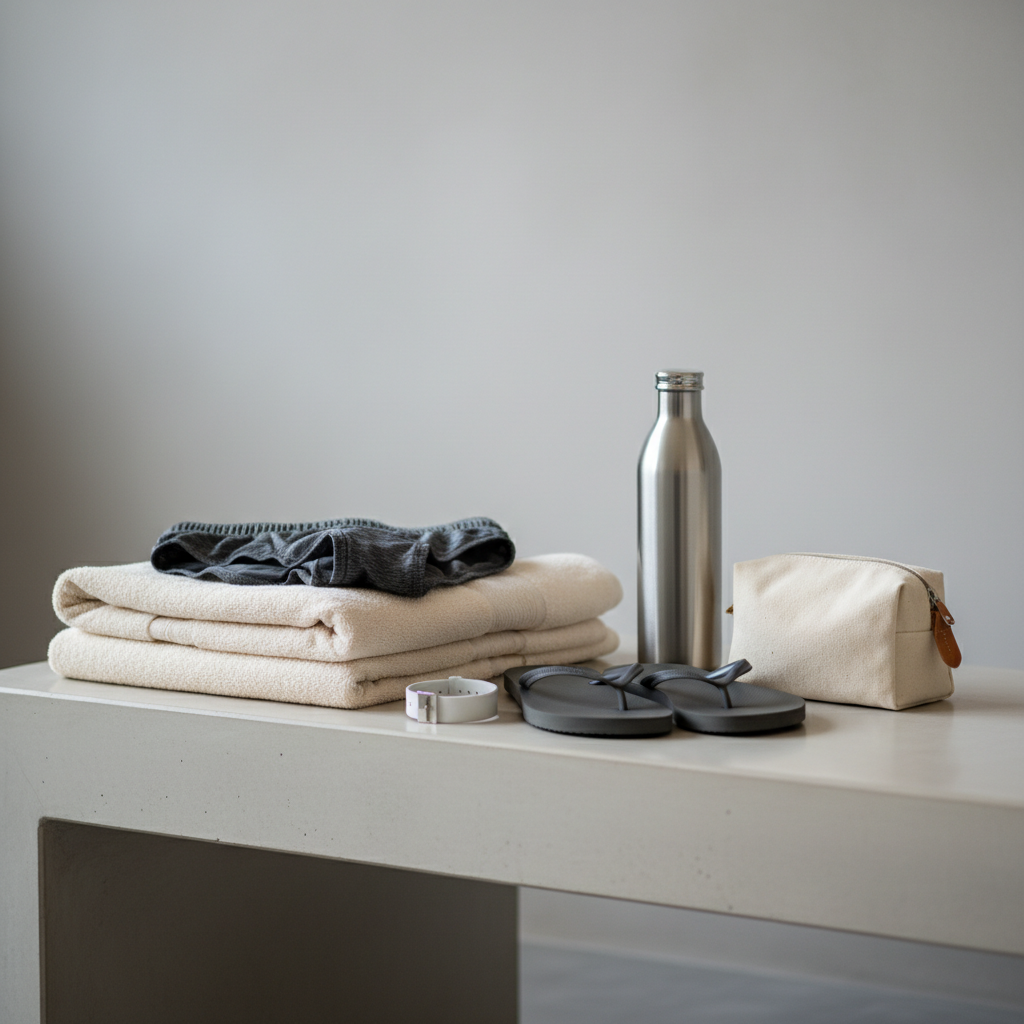
You don’t need a suitcase full of “spa gear,” but a few items prevent the classic last-minute purchase at tourist pricing.
Bring these basics
- Two swimsuits: one can dry while you travel, which matters in winter.
- Flip-flops or pool sandals: common hygiene rule in many facilities.
- Quick-dry towel: some spas include towels, many charge extra.
- Water bottle: hydration is not optional if you add sauna time.
- Simple toiletries: shampoo, conditioner, moisturizer, hair ties.
Usually skip
- Expensive jewelry, anything you’ll worry about in a locker
- Heavy makeup plans, mineral water and steam can make it feel pointless
- Complicated camera setups, many areas restrict photography
Key takeaway: pack for comfort and recovery, not for a fashion moment. Your future self on a train platform will appreciate it.
Health and safety: soak smarter, not longer
Thermal bathing can feel amazing, but heat and mineral water affect people differently. If you’re pregnant, have cardiovascular conditions, or take medications that affect blood pressure, it’s smart to check with a clinician before doing long hot soaks or intense sauna sessions.
According to CDC, high heat exposure can contribute to heat-related illness, and hydration plus cooling breaks are practical precautions, especially when you’re traveling and sleep-deprived.
- Start short: 10–15 minutes in hotter pools, then cool down.
- Alternate temps: warm soak, cool rinse, rest, repeat if you feel good.
- Eat lightly: big meals before hot bathing can feel rough.
- Listen to signals: dizziness, nausea, headache, or pounding heart means stop and cool down.
If you’re trying thermal pools for muscle recovery after hiking or skiing, the “more is better” mindset often backfires. Moderate sessions with rest tend to feel better than marathon soaks.
A simple 1-day thermal pool itinerary you can reuse
This is a low-drama template that works in many European cities and resort towns, and it keeps your day from dissolving into locker-room logistics.
- Morning or early afternoon entry: arrive 15–30 minutes early for tickets, locker setup, and a calm start.
- First circuit (60–90 minutes): warm pools, one sauna or steam room if comfortable, then a full rest.
- Break (60 minutes): water + light snack, read, nap, walk outside if available.
- Second circuit (30–60 minutes): pick favorites, keep it gentle.
- Post-spa buffer: don’t schedule a tight museum slot right after; you may feel sleepy.
If your trip includes a long train day, flip it: do the travel first, soak late afternoon, then keep dinner simple and call it a win.
Common mistakes that waste time and money
- Overbooking treatments: two back-to-back services can feel like work, not relaxation.
- Ignoring facility language: translation gaps happen, so look for pictograms, posted rules, and staff instructions.
- Assuming all pools are hot: many are warm, some are cool, and some rotate temps by area.
- Forgetting cashless policies: wristband systems are common, but not universal, so carry a payment backup.
- Skipping the “what’s included” check: towels, robes, lockers, and hairdryers might cost extra.
Most frustrations disappear when you treat the thermal day like a small event with its own rules, not a casual stop like a coffee shop.
Conclusion: make thermal pools the easiest day of your trip
A solid thermal pool travel guide Europe plan comes down to a few calm choices: pick one style of facility you actually enjoy, book the parts that sell out, pack light but smart, and keep your soak sessions moderate. If you do that, thermal bathing stops feeling intimidating and starts feeling like the recovery day you meant it to be.
If you take only two actions, make them these: check the facility rules (caps, towels, sauna norms) and lock a weekday time slot when possible. Everything else is detail you can handle on-site.
FAQ
What is the best time of year to use a thermal pool in Europe?
Shoulder seasons often balance weather and crowd levels well, but winter can be magical for outdoor pools. The right choice depends on whether you value scenery or personal space more.
Do I need to book thermal baths in advance in Europe?
Many popular facilities use timed-entry tickets, so booking ahead is a safer bet on weekends and holidays. Smaller hotel thermal pools may be more flexible.
Are European thermal pools safe if I have a medical condition?
They can be, but heat and mineral content may affect blood pressure or skin sensitivity. If you have a condition or take related medications, asking a medical professional is a smart precaution.
Can kids go to thermal pools and spas in Europe?
Some facilities are family-friendly with designated hours, others restrict children or limit sauna access. Always check age rules before you plan your day around it.
Do I need a swim cap at European thermal pools?
Sometimes yes, sometimes no, and the rule can differ within the same complex. Look at the facility’s official FAQ, because reviews can be outdated.
What should I pack for a thermal pool day?
Swimwear, sandals, a towel if not provided, and a water bottle cover most scenarios. A second swimsuit helps if you’re moving between cities and need something dry.
How long should I stay in a thermal pool?
Many people feel best with shorter rounds and breaks rather than one long soak. If you feel lightheaded or uncomfortable, end the session and cool down.
Key points to remember: book popular time slots early, respect local etiquette, keep sessions moderate, and prioritize hydration and rest.