
Marine park travel guide planning gets real the moment you start asking practical questions: where you can actually snorkel, what permits you might need, and how to avoid showing up on the “wrong” day when visibility tanks.
Marine parks can be dream trips, but they’re also managed spaces with rules, seasonal closures, and fragile ecosystems. If you treat them like any beach day, you may end up frustrated, or worse, accidentally breaking regulations.
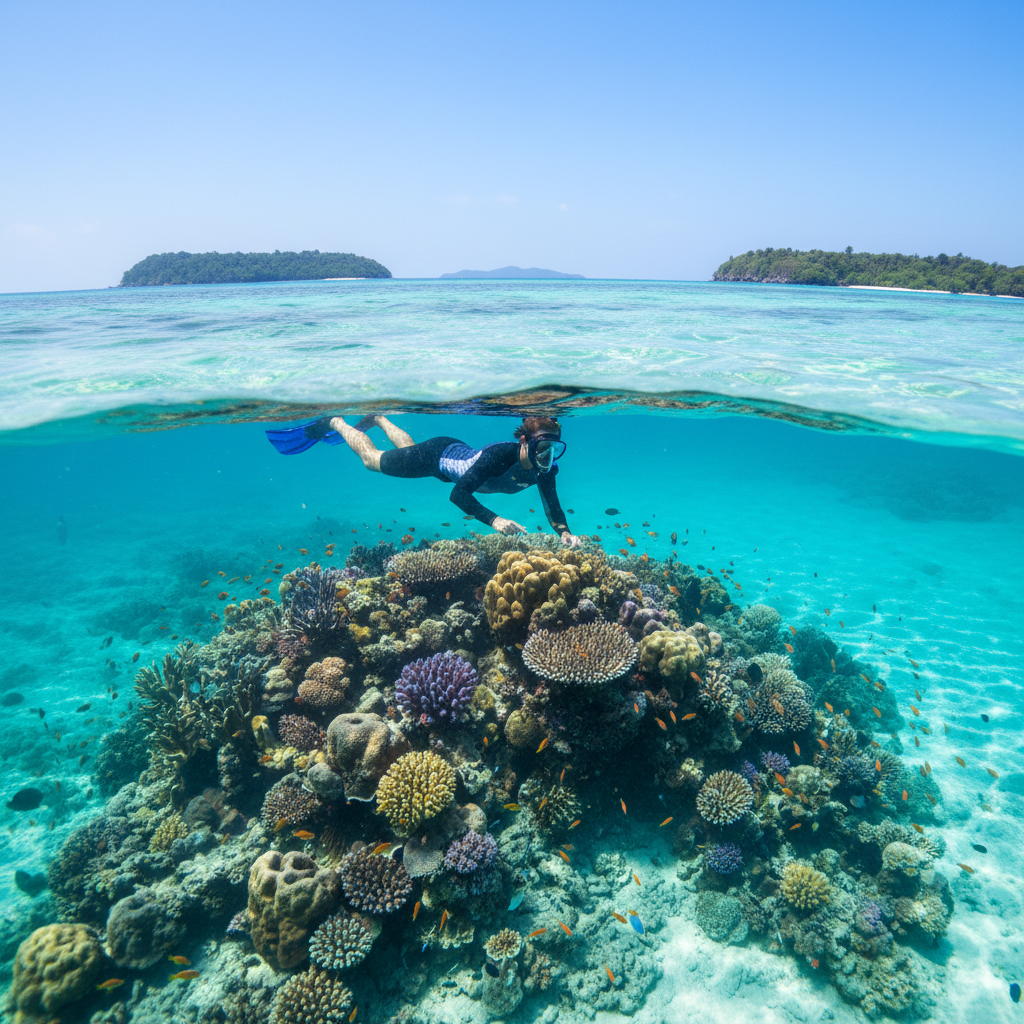
This guide focuses on decisions that typically make or break a snorkeling day: timing, entry points, safety, and how to follow conservation rules without overthinking it. You’ll get a quick self-check, a packing list that stays realistic, and a planning table you can copy.
What to know before you pick a marine park
A solid marine park travel guide starts with a basic truth: not all marine parks are “swim anywhere” zones. Many have designated snorkeling areas, no-go wildlife buffers, and separate rules for boats vs. shore entry.
- Access type: shore entry, boat-only, or mixed. Boat-only parks often require booking earlier and cost more.
- Protection level: some areas ban touching the bottom entirely, prohibit gloves, or restrict fins in sensitive lagoons.
- Typical conditions: wind, swell, currents, and visibility vary by coastline and season, even within the same region.
- Facilities: bathrooms, rinse stations, lifeguards, rental shops, shade, and parking can be limited.
According to NOAA, coral reefs are easily damaged by contact and pollution, so many parks prioritize reef-safe behavior and restrict activities that increase accidental contact.
Quick self-check: are you set up for this trip?
Use this list to figure out whether you should keep plans simple (guided tour, calmer bays) or you can handle more independent snorkeling. Be honest, nobody benefits from bravado in open water.
- Comfort: you can float calmly for 20–30 minutes without panic, even when water depth changes.
- Basic skills: you know how to clear a snorkel, adjust a mask, and relax-breathe through the snorkel.
- Health: you have no current ear infection, severe congestion, or recent respiratory issues. If you’re unsure, ask a clinician.
- Buddy plan: you’re not snorkeling alone, and you’ve agreed on a turnaround time and a “stay together” rule.
- Conditions tolerance: you can skip the water if surf or current looks wrong, even if you paid for entry.
If two or more bullets feel shaky, choose an easier site, shorten your session, or go with a guide the first day. That single decision often turns an anxious trip into a fun one.
When to go: visibility, crowds, and wildlife seasons
Timing matters more than most people expect. You can have perfect gear and still get a “meh” day if you arrive after wind picks up or when boats churn the shallows.
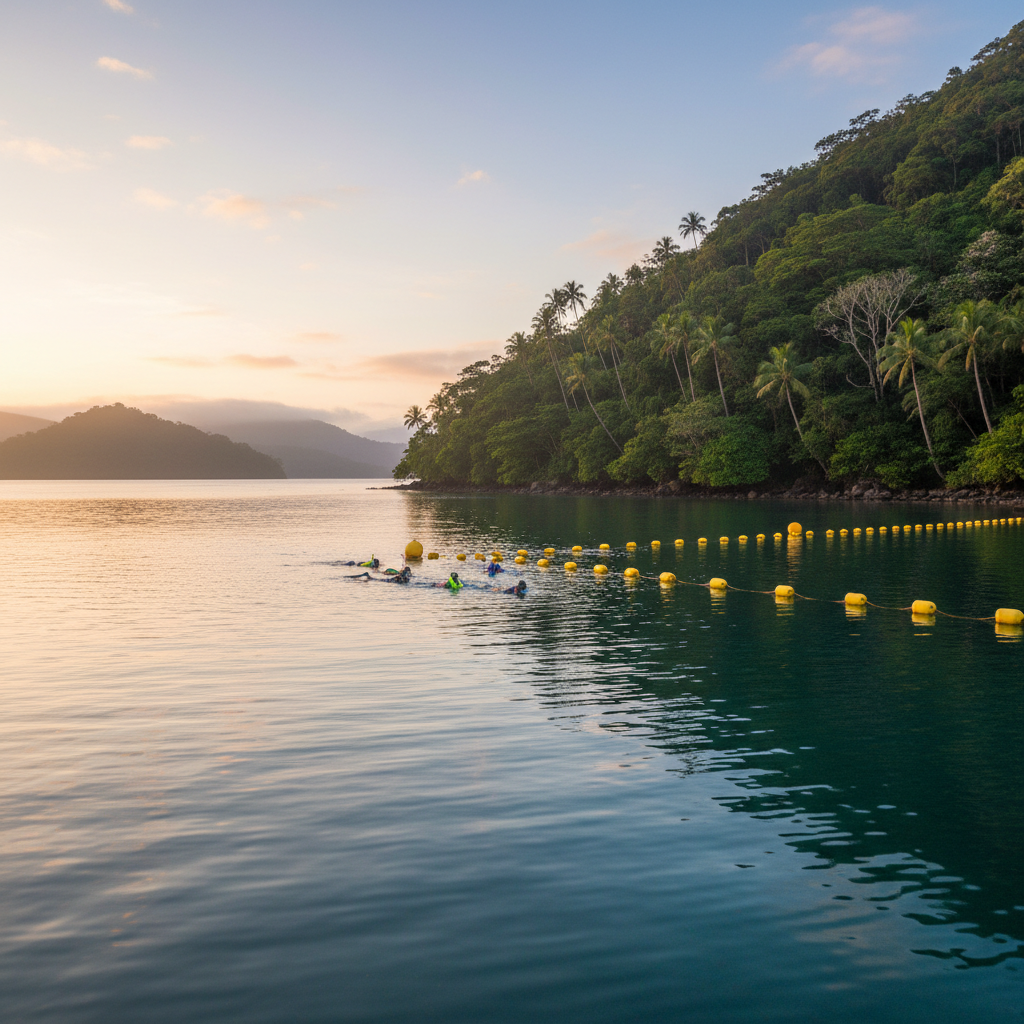
These patterns are common, but local specifics still rule, so check the park site and a marine forecast.
- Go early: mornings often bring calmer seas and better visibility, especially in popular bays.
- Mind the wind: onshore wind can push chop and reduce clarity fast.
- Watch tide and surge: some entries become rocky or hazardous at certain tide levels.
- Respect seasonal closures: some parks close sections for nesting birds, turtle activity, or reef restoration.
According to National Park Service, seasonal closures and wildlife buffers are used to reduce stress on animals and protect habitat, so treat closures as part of the experience, not a nuisance.
Permits, fees, and rules that surprise travelers
Rules vary, but a few “surprise” items show up repeatedly across marine protected areas in the U.S. and abroad.
- Entry fees or conservation passes: sometimes per person, sometimes per vehicle, sometimes per day.
- Restricted items: single-use plastics, fishing gear, drones, or even certain sunscreens may be limited.
- Stay inside boundaries: buoy lines are not decoration, they mark safer zones and protected habitat.
- No touching policy: no standing on coral, no grabbing turtles for photos, no “just holding a rock.”
According to NOAA, physical contact and sediment disturbance can harm corals and reef organisms; many parks translate that science into strict “look, don’t touch” enforcement.
Gear that actually helps (and what you can skip)
Gear debates get intense online, but for most travelers, simpler wins. Your goal is comfort and control, not a tactical loadout.
Core snorkeling kit
- Mask that seals on your face: test without the strap, inhale gently through nose, it should stick.
- Snorkel: basic models work; dry tops can help in small chop but aren’t magic.
- Fins: useful in mild current, but size and comfort matter more than brand.
- Exposure protection: rash guard or thin wetsuit if water is cool or sun is intense.
Small add-ons that prevent bad days
- Defog solution: more reliable than “home remedies,” especially for long sessions.
- Surface marker or bright rash guard: helps boats and your buddy see you.
- Water shoes: for rocky entries and hot sand.
What to skip (often)
- Too much weight: unless trained, weights can add risk and reduce enjoyment.
- Complex camera rigs: they can distract you from breathing, buoyancy, and boundaries.
If you rent gear, inspect mouthpieces, straps, and the mask skirt, then do a quick water test in shallow water before swimming out.
A simple plan you can follow: from parking lot to water time
This is where a marine park travel guide becomes practical. The steps below reduce “small mistakes” that snowball into stress.
- Check conditions on-site: look for rip currents, breaking waves at entry, and drifting debris.
- Confirm boundaries: identify buoy lines, swim zones, and any no-entry signage.
- Warm-up and fit check: mask seal, snorkel comfort, fin fit, defog, then a short float.
- Buddy agreement: pick a direction, set a turnaround point, and keep a conservative time limit.
- Stay shallow first: spend 5 minutes near shore, then extend gradually.
- Exit early if needed: fatigue, cramps, or anxiety are valid reasons to call it.
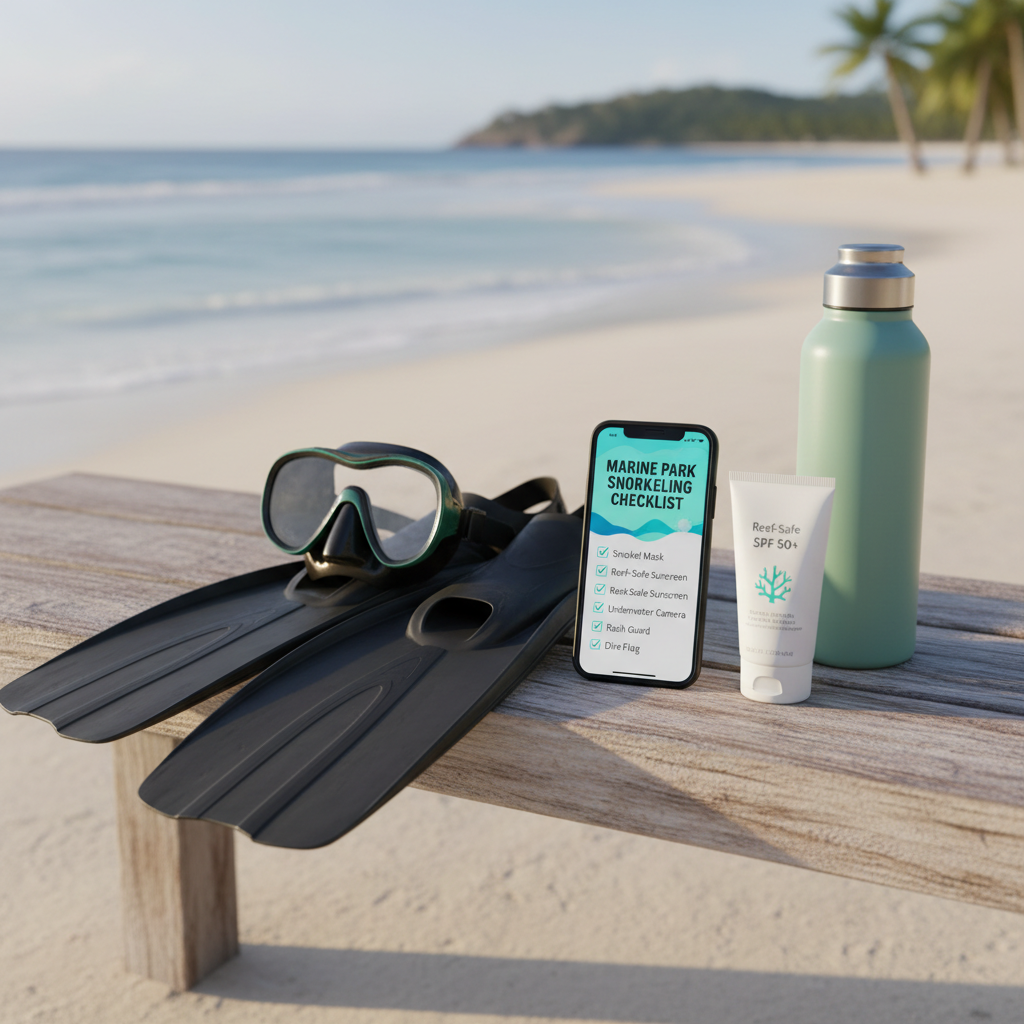
Key takeaway: most problems come from rushing the first 10 minutes, not from lack of fitness.
Trip planning table: choose the right style for your group
If you’re coordinating friends or family, this quick table helps set expectations without a long group chat.
| Trip style | Best for | Pros | Watch-outs |
|---|---|---|---|
| Shore-entry, easy bay | Beginners, kids, mixed groups | Lower cost, flexible timing | Crowds, limited coral if water is shallow |
| Guided snorkel tour | First-timers, anxious swimmers | Local knowledge, safety oversight | Fixed schedule, group pace |
| Boat-only marine park | Confident snorkelers | Often clearer reefs, fewer beach crowds | Seasickness risk, weather cancellations |
| Multi-spot day plan | Repeat visitors | Backup options if conditions change | Driving, parking, and timing stress |
Common mistakes (and the low-drama fixes)
- Skipping the forecast: check wind and swell, then verify at the waterline before committing.
- Overusing sunscreen right before entry: give it time to absorb, consider a rash guard to reduce reapplication.
- Chasing wildlife: keep distance; animals often approach on their own when people stay calm.
- Ignoring mild anxiety: pause, float, breathe slowly, return to shallow water if needed.
- Overestimating endurance: short sessions with breaks usually beat one long push.
According to U.S. Coast Guard, many water incidents involve underestimating conditions and overestimating ability, so conservative choices are a feature, not a weakness.
When to get professional help or change plans
Some situations call for more than DIY planning, even if you’ve snorkeled before.
- Strong currents, surf, or confusing entry/exit: choose a guided tour or a calmer site.
- Any medical concern: asthma, heart conditions, recent illness, or panic history deserves a cautious approach, consult a qualified professional if uncertain.
- Kids or first-time swimmers: consider a licensed operator, and use appropriate flotation based on local rules.
- Remote parks: limited cell service and long response times raise the bar for preparation.
No guide can “guarantee” safety in open water. The most responsible move sometimes is postponing, even if it’s your only free day.
Conclusion: make the park easy on yourself, and on the reef
A good marine park travel guide isn’t about cramming in every spot, it’s about stacking small advantages: calmer timing, clear boundaries, simple gear, and a plan you can stick to when conditions shift.
If you do two things this week, do these: save one backup snorkeling site nearby, and write a short packing checklist so you’re not solving basics in the parking lot.