
Temperate forest travel guide is what most hikers end up needing after the first trip where weather flips fast, trails stay wet longer than expected, and “easy” miles feel strangely slow under a dense canopy. If you want hikes that feel calm instead of chaotic, planning for temperate forests is mostly about managing moisture, temperature swings, and navigation details that deserts and open alpine trails don’t force on you.
These forests look forgiving on photos, green, shaded, not too extreme, but the comfort can be misleading. Mud, slick roots, ticks, creek crossings, and low-visibility junctions are common, and they change how you pack, pace, and pick a route.
This guide focuses on practical choices: what to wear when mornings are cold and afternoons warm, how to avoid getting turned around when landmarks look similar, what to do about wildlife and insects, and how to choose hikes that match your fitness and comfort level. I’ll also point out a few “sounds smart, fails in real life” habits people repeat online.
What makes temperate forest hikes different (and why it matters)
Temperate forests in the U.S. cover a wide range, Pacific Northwest rainforests, Appalachian hardwoods, Sierra mixed conifer, and more. Conditions vary, but hikers tend to run into the same core challenges.
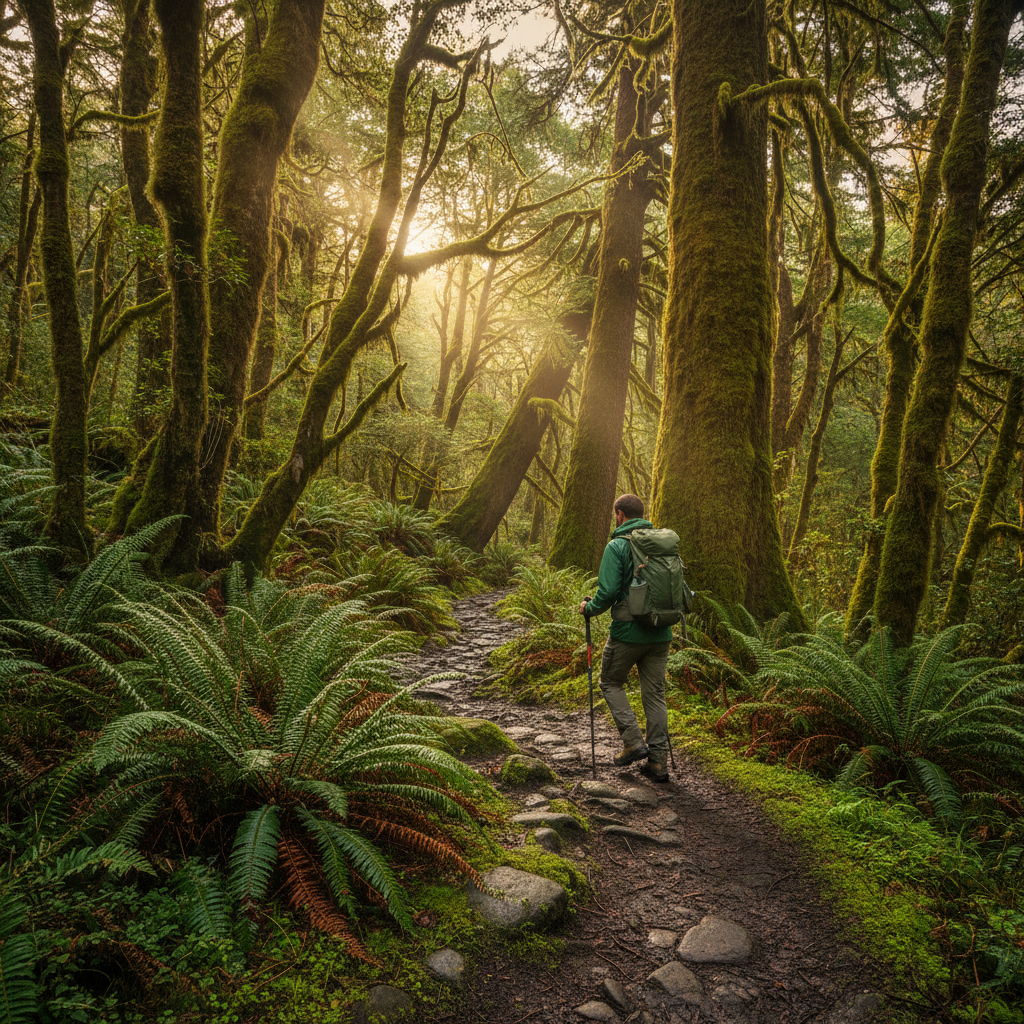
Moisture drives everything. Even in “dry” seasons, shade keeps trails wet, and mud can linger for days. Footing becomes the limiting factor more than steepness.
Microclimates are real. A sunny trailhead can turn into a chilly, windy ridge, then drop into a humid ravine. According to the National Weather Service, weather can change quickly, and forecasts may not capture local terrain effects, so it’s smart to check the forecast and still plan for variation.
Navigation is quieter but trickier. In forests, distant landmarks disappear. Many junctions look alike, and a light fog or late-day shade can make signage easy to miss.
Insects and plants are part of the system. Ticks, mosquitoes, poison ivy, stinging nettle, and dense brush shape what “comfortable hiking” means, especially for families or new hikers.
Quick self-check: which type of hike are you actually planning?
Before gear lists and routes, get honest about what kind of day you’re building. This 2-minute check prevents most avoidable discomfort.
- Trail surface: mostly dirt, mostly rock, or root-and-mud mix?
- Canopy density: open enough for sun, or deep shade all day?
- Water crossings: none, a few stepping stones, or likely wet feet?
- Exposure: sheltered forest the whole time, or ridge/overlook sections?
- Remoteness: steady cell service, spotty, or basically none?
- Bug pressure: cool season low, warm season high, or near marshy areas?
Key takeaway: If you check “mud/root mix,” “deep shade,” and “spotty service,” prioritize traction + navigation + dry layers over shaving ounces.
Route planning that works in real forests
A temperate forest travel guide should say this plainly: mileage alone can lie. Wet ground, downed trees, and constant small elevation changes can slow pace more than the map suggests.
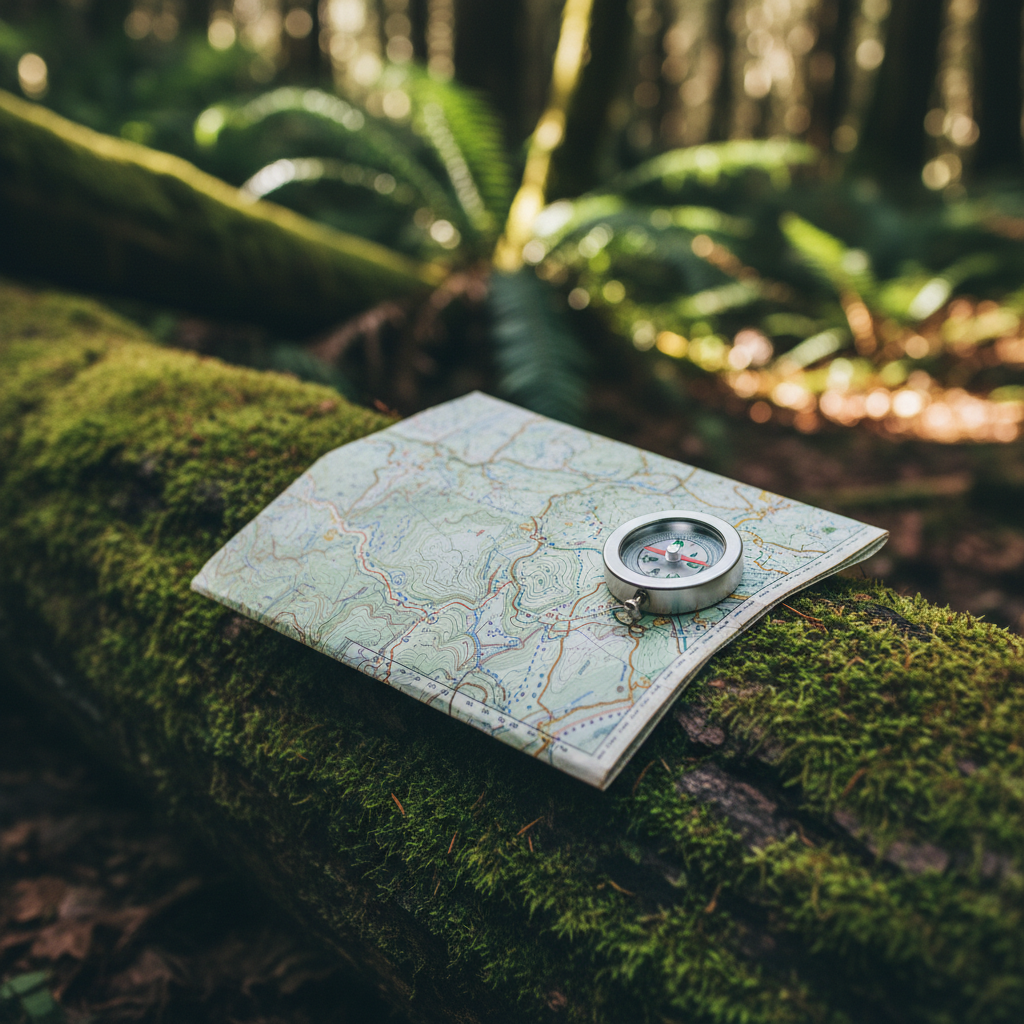
Use this planning flow to avoid the classic “we’ll just turn around if it’s too much” trap, which often happens too late.
- Pick a time window first: daylight hours, drive time, and turnaround deadline.
- Then choose difficulty: look for notes about mud, blowdowns, or creek crossings in recent trail reports.
- Build a bailout: loop with shortcuts, out-and-back with obvious turnaround points, or a nearby alternate trailhead.
- Check land status: wilderness rules, permits, seasonal closures, and fire restrictions.
According to the U.S. Forest Service, travelers should follow posted regulations and plan ahead for changing conditions, especially on managed public lands where closures and hazards can shift by season.
Forest pacing tip you’ll actually use
If the trail is damp and rooty, assume your “flat-ground pace” slows, and add extra time for careful footing. People rarely regret padding time; they often regret chasing a schedule when the trail feels slippery.
What to pack: a practical table for temperate forest conditions
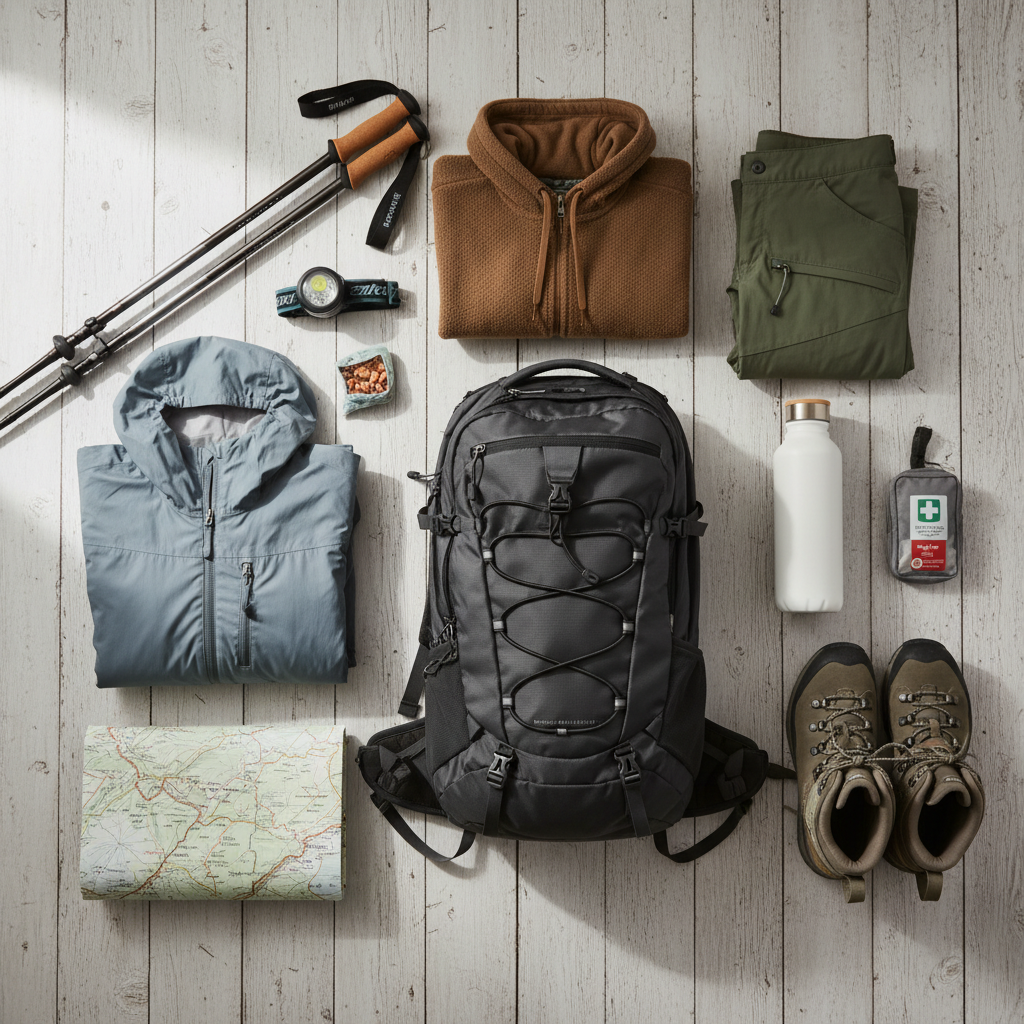
There’s no perfect kit, but temperate forests reward two things: layering that handles damp and small safety items that reduce bad outcomes. Here’s a compact guide you can adapt.
| Need | What works well | Why it matters in forests |
|---|---|---|
| Traction | Trail runners with grip or light hikers; trekking poles | Roots + wet leaves turn “easy” into slide risk |
| Warmth | Light fleece or active midlayer | Shade keeps you cool, even when it’s warm elsewhere |
| Rain management | Light shell or poncho; pack liner | Showers and dripping canopy can soak gear slowly |
| Bug/tick defense | Long pants, socks; repellent as appropriate | Brushy edges and leaf litter increase exposure |
| Navigation | Offline map app + paper backup if remote | Look-alike junctions and low visibility are common |
| Hydration | Carry enough; filter only if you know sources | Streams exist, but access can be steep or seasonal |
Key takeaway: Most discomfort comes from damp clothes and tired ankles, not from lacking a fancy gadget.
On-trail skills: staying found, dry-ish, and steady
This is where a temperate forest travel guide becomes less about “gear vibes” and more about habits. Small choices add up fast in shaded terrain.
Stay oriented at every junction. Don’t wait until you feel lost. When you hit a fork, stop, confirm the trail name/number, and check your map before walking on. Forests hide mistakes until you’ve committed 15 minutes down the wrong path.
Protect your feet early. If you feel hotspots, address them while it’s minor. Wet socks plus friction can go from “fine” to “limping” surprisingly quickly.
Manage sweat like it’s weather. Overheating under a shell is common. Vent early, slow down, and change layers before you get chilled. Many hikers only think about rain, but sweat can soak you just as thoroughly.
Creek crossing judgment matters. If water looks fast, deeper than expected, or the rocks feel slimy, turning around may be the safer call. Conditions vary by season and storm runoff, and if you’re unsure, it’s reasonable to consult a local ranger station for current guidance.
Wildlife, insects, and plants: low drama, steady awareness
Most temperate forest wildlife encounters are non-events, but “non-event” still requires you to act thoughtfully.
- Ticks: use long clothing in brushy areas, do a post-hike check, and remove ticks promptly if found. According to the Centers for Disease Control and Prevention (CDC), tick checks and repellents are common prevention steps, and seeking medical advice is wise if symptoms appear after a bite.
- Bears and food smells: follow local guidance on food storage, especially where bear activity is known. The right approach differs by park and region.
- Poison ivy and lookalikes: if you’re not confident identifying it, treat shiny three-leaf vines and ground cover as “don’t touch,” and stay centered on trail.
- Snakes: watch where you step or place hands near logs and rocks, especially in warm months.
Key takeaway: In forests, prevention beats reaction, mostly because help can be farther away than it feels.
Common mistakes that make forest hikes harder than they need to be
A few patterns show up again and again, even among experienced hikers.
- Underestimating “easy” loops: short mileage can still mean slow progress if the surface stays slick.
- Wearing cotton “because it’s comfortable”: when it gets wet, it stays wet, and that can increase chill risk.
- Relying on cell service: you might get signal at the trailhead and none under canopy.
- Skipping a headlamp on day hikes: forests get dark early, even before sunset.
- Ignoring turnaround time: “We’ll see how we feel” tends to end with a rushed hike out.
When to get local help or adjust your plan
Most day hikes go smoothly, but temperate forests can stack small issues into bigger ones. If any of these apply, consider asking for local input or choosing a simpler route.
- Recent storms, high winds, or wildfire smoke in the region
- Multiple creek crossings on a warm day after heavy rain
- New hikers in your group who haven’t walked on wet roots before
- History of severe allergies, asthma, or mobility concerns, where conditions might raise risk
Ranger stations and local park offices often know what’s washed out, where blowdowns block trails, and whether ticks or mosquitoes are intense that week. If health concerns come up, it’s safer to consult a qualified professional.
Practical checklist: your next hike, step by step
Use this as a final pre-departure run-through. Keep it short enough that you’ll actually do it.
- Night before: download offline maps, check the forecast, pick a turnaround time
- Morning: pack layers in a dry bag or liner, bring traction-friendly footwear, add repellent if needed
- At trailhead: confirm route, note trail number/name, take a photo of the map board
- On trail: drink and snack earlier than you think, adjust layers before you sweat through them
- After: tick check, clean mud off shoes, note what you wished you’d brought
Conclusion: make temperate forests feel simple
A good temperate forest travel guide doesn’t hype the wilderness, it helps you stay comfortable when the trail is wet, the light is flat, and your phone has no signal. If you take one action today, choose a route with a clear bailout and pack one more dry layer than your ego wants. If you take a second action, treat traction and navigation as your “big two,” because that’s what usually decides whether the day feels smooth.
FAQ
- What is a temperate forest travel guide most useful for?
It’s most helpful when you’re hiking in shaded, moisture-prone terrain where footing, bugs, and navigation are the main friction points, not extreme altitude or heat. - How do I choose between trail runners and hiking boots in temperate forests?
Trail runners can work well on maintained trails if you prioritize grip and accept wet feet sometimes. Boots may help if you want more ankle support or expect mud, brush, and uneven roots. - What should I do if the trail is muddier than expected?
Slow down and protect your footing, and avoid creating new side paths around mud when possible. If mud becomes constant and progress turns unsafe, turning around is a reasonable decision. - How can I avoid getting lost under dense canopy?
Check orientation at every junction, use an offline map, and note obvious “handrails” like a river, ridge, or road. If you feel uncertain, stop early and confirm rather than walking on to “see if it clears up.” - Are ticks always a problem in forest hikes?
Not always, it varies by region and season. Warm months and brushy edges often raise exposure, so long clothing and a post-hike check usually make sense. - Is it safe to filter stream water in temperate forests?
Often it can be, but safety depends on location, upstream activity, and conditions. If you’re unsure about local risks, carrying enough water or asking local rangers is the safer approach. - What’s the biggest timing mistake hikers make in forests?
Starting too late. Forest light can drop early, and wet footing slows pace, so an early start and a firm turnaround time reduce pressure later.
If you’re planning a hike soon and want a more tailored temperate forest travel guide for your region, think through your trail surface, water crossings, and bug season first, then build your packing list around those realities instead of a generic “10 essentials” screenshot.