
Subtropical travel destinations can be the simplest way to swap winter layers for warm breezes without committing to a long-haul, jet-lag-heavy trip.
\nIf you\u2019re in the U.S., the appeal is practical: shorter flights, familiar infrastructure in many places, and a good chance of sunshine even when home is gray. The catch is that \u201cwarm\u201d can mean very different things in January, and the best pick depends on whether you want beaches, hiking, food, or just a reset.
\n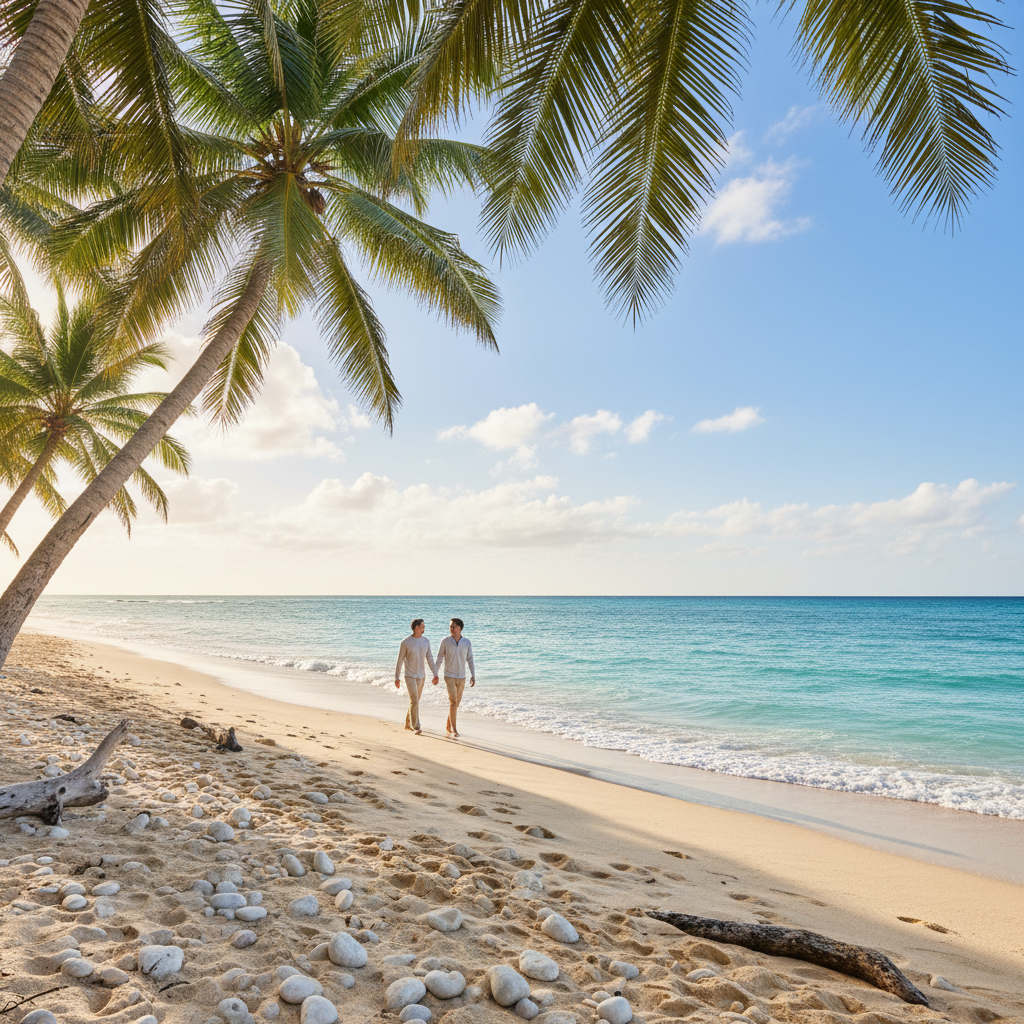 \n
\n
This guide narrows the noise, it\u2019s not a giant list of everywhere that looks warm on Instagram. You\u2019ll get a quick way to choose a region, a few reliable winter picks, and the small planning moves that usually make the difference between \u201cnice trip\u201d and \u201nwhy did we do this.\u201d
\n\nWhat \u201csubtropical\u201d really feels like in winter
\nPeople book \u201csubtropical\u201d expecting full-on tropical heat, then feel disappointed when evenings dip or the ocean feels brisk. Subtropical zones tend to have mild-to-warm days, cooler nights, and more weather variability than equatorial destinations.
\n-
\n
- Daytime comfort: Many places sit in the 70s\u201380s \u00b0F range at some point in winter, but cold fronts happen. \n
- Water temperature: Swimming can be hit-or-miss outside the Caribbean; some beaches look perfect but feel chilly. \n
- Microclimates: Coastal breezes, elevation, and desert air can change the experience fast. \n
According to NOAA (National Oceanic and Atmospheric Administration)... winter weather patterns in the U.S. can shift quickly, and cold snaps may reach typically warm regions, so it\u2019s smart to plan with flexibility rather than bet everything on a single forecast.
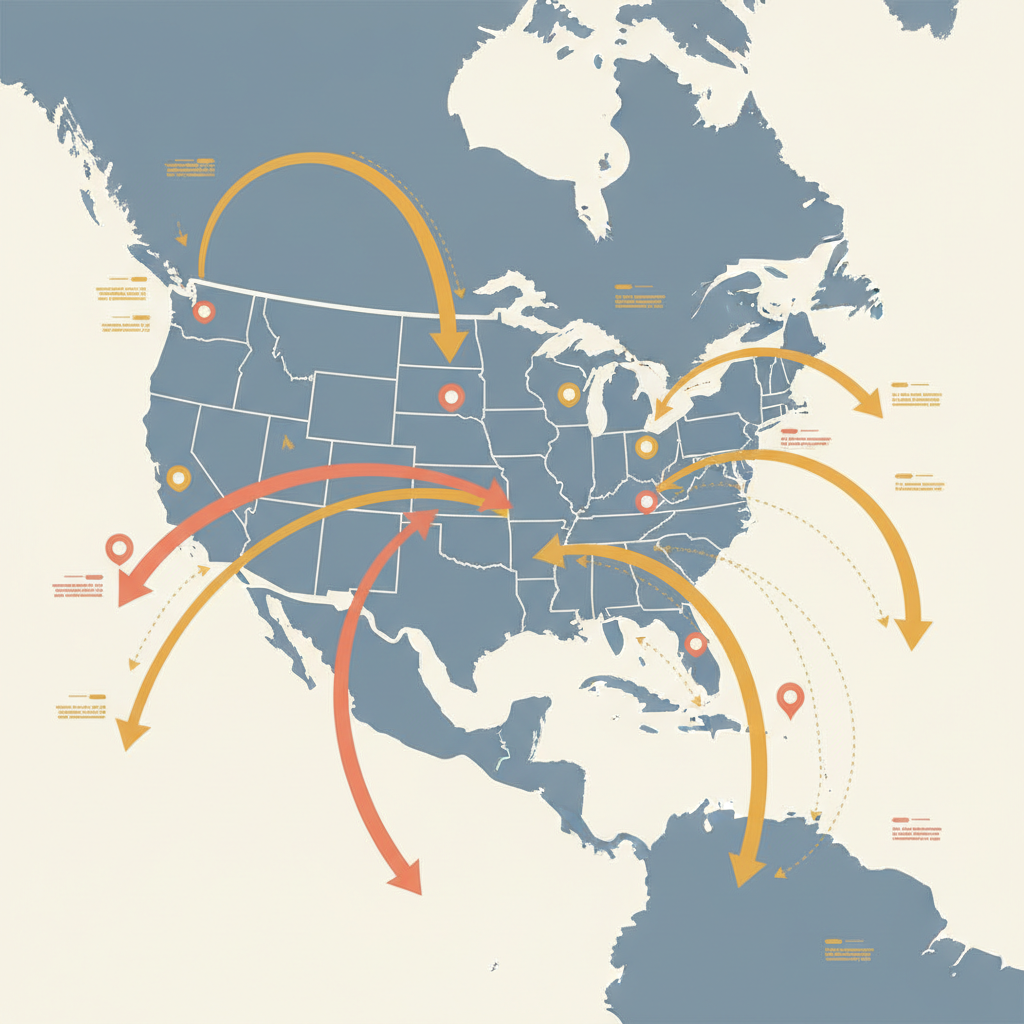
\n\nQuick pick: match a destination to your winter goal
\nBefore you compare hotels, decide what you\u2019re actually chasing. Many travelers say they want \u201csun,\u201d but what they mean is \u201cI want to sit outside comfortably for hours,\u201d or \u201cI want to hike without freezing.\u201d Those are different requirements.
\n-
\n
- Beach + warm water: Favor the Caribbean and South Florida. \n
- Outdoor adventure without humidity: Think desert subtropics like Phoenix/Tucson, or the Canary Islands. \n
- Culture + mild temps: Southern Spain, Madeira, parts of coastal Mexico. \n
- Budget first: Consider shoulder weeks, smaller islands, or inland options near warm coasts. \n
 \n
\n
Key takeaway: The best subtropical travel destinations are the ones that match your \u201cwhat I\u2019ll do all day\u201d plan, not just a warm-looking forecast.
\n\nFive dependable subtropical travel destinations for winter (U.S. traveler-friendly)
\nHere are options that tend to work well for Americans because flights, lodging variety, and on-the-ground logistics are usually manageable. Prices and crowds vary a lot by week, so treat these as starting points.
\n\n1) South Florida (Miami, Fort Lauderdale, Palm Beach)
\nSouth Florida is the \u201ceasy button,\u201d especially for a 3\u20135 day reset. You can do beach time, food, art, and day trips without renting a car if you choose your neighborhood carefully.
\n-
\n
- Best for: quick flights, nightlife, dining, mix of beach and city \n
- Watch for: higher hotel rates during peak winter weeks \n
2) Florida Keys (Key Largo to Key West)
\nFor a slower pace, the Keys deliver that \u201con a dock, with a breeze\u201d feeling that reads subtropical even when temps run mild. It\u2019s more about boating, sunsets, and seafood than wide sandy beaches.
\n-
\n
- Best for: couples trips, snorkeling days, scenic drives \n
- Watch for: limited lodging inventory, car rental availability \n
3) Puerto Rico (San Juan + west coast)
\nPuerto Rico often hits the sweet spot: warm enough to feel like a real escape, easy entry for U.S. citizens, strong food scene, and a mix of beaches and rainforest day trips.
\n-
\n
- Best for: beach + culture, no passport logistics for Americans \n
- Watch for: holiday crowd spikes, surf conditions on some coasts \n
4) Baja California Sur (Los Cabos, La Paz)
\nBaja is a different flavor of warm, sunnier and drier, with striking landscapes. If your ideal day includes swimming, check seasonal water temps and pick hotels with heated pools if that matters to you.
\n-
\n
- Best for: desert-meets-ocean scenery, whale watching season timing \n
- Watch for: distance between towns, transportation planning \n
5) Canary Islands (Spain)
\nIf you can do a longer flight, the Canaries are a classic subtropical winter break: volcanic hikes, beach towns, and a strong infrastructure for independent travel. It\u2019s not always \u201chot,\u201d but it\u2019s often pleasantly mild when much of Europe is cold.
\n-
\n
- Best for: hiking + coastal time, European food and culture \n
- Watch for: island-to-island differences, windier days \n
Comparison table: how to choose fast
\nThis table is meant to speed up shortlisting. Exact temperatures and costs shift by year and week, so use it as a planning compass, then confirm details for your dates.
\n| Destination | \nWhy it works in winter | \nTypical trip length | \nGood fit for | \n
|---|---|---|---|
| South Florida | \nWarm-ish days, easy flights, lots to do | \n3\u20135 days | \nFirst-timers, city + beach mix | \n
| Florida Keys | \nRelaxed vibe, water activities, sunsets | \n4\u20137 days | \nSlow travel, couples, road trip feel | \n
| Puerto Rico | \nWarmer beach weather, culture, nature | \n5\u20138 days | \nVariety seekers, beach + rainforest | \n
| Baja California Sur | \nDry sunshine, dramatic scenery | \n4\u20137 days | \nResort stays, desert hiking, ocean tours | \n
| Canary Islands | \nMild temps, hiking, strong transit options | \n7\u20110 days | \nActive travelers, longer winter break | \n
Practical planning tips that save trips
\nMost winter travel friction comes from small assumptions: you thought the evenings would be warm, you assumed you\u2019d find a rental car, you didn\u2019t plan for wind, or you overpacked beachwear and forgot a light jacket.
\n-
\n
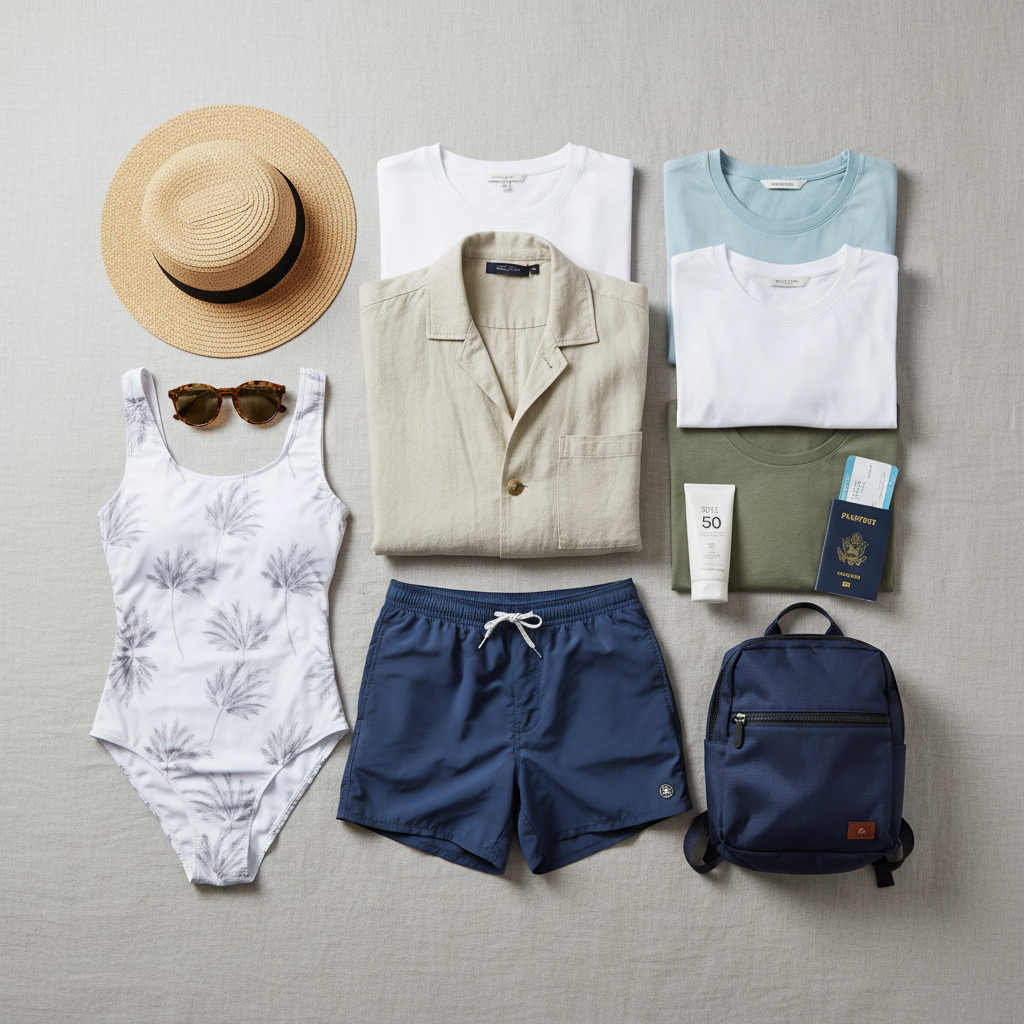
- Pack for 2 temperatures: include a light layer for nights and breezy days, even in subtropical travel destinations. \n
- Choose your neighborhood, not just the city: being walkable changes the whole week. \n
- Build one flexible day: keep a day open for a weather swing, boat cancellation, or just rest. \n
- Check entry requirements early: passports, Real ID timing, or local rules can create last-minute stress. \n
 \n
\n
According to CDC (Centers for Disease Control and Prevention)... travelers should review destination-specific health guidance before international trips; if you have health conditions or questions about vaccines or medications, it\u2019s smart to consult a healthcare professional.
\n\nA simple self-checklist before you book
\nIf you answer these quickly, your shortlist usually becomes obvious.
\n-
\n
- I need true swim weather: lean Caribbean or South Florida, and verify typical water temps for your month. \n
- I hate humidity: consider Baja or other drier subtropical regions. \n
- I want car-free travel: prioritize San Juan, parts of Miami, or islands with solid local transit. \n
- I\u2019m traveling with kids: pick a place with short transfers and lots of \u201ceasy wins\u201d like beaches, parks, simple day trips. \n
- I\u2019m budget-sensitive: avoid peak holiday weeks, compare flight days, and consider splitting time between one \u201cscene\u201d and one quieter area. \n
Common mistakes (and what to do instead)
\n-
\n
- Mistake: booking purely by average temperature. Do instead: check wind, evening lows, and water temp notes for your exact coast. \n
- Mistake: assuming \u201cbeach destination\u201d means walkable. Do instead: map your hotel to the spots you\u2019ll visit, then decide on a car. \n
- Mistake: overfilling the itinerary. Do instead: anchor one main activity per day, leave space for weather and mood. \n
- Mistake: ignoring travel insurance details. Do instead: read what\u2019s covered for delays, medical care, and activity-related issues, terms vary by policy. \n
Conclusion: build your winter escape around how you want to feel
\nSubtropical travel destinations work best when you treat winter as a season with personalities, some weeks are balmy, some are breezy, and you plan for both. Pick your top priority, confirm the practical stuff, then leave yourself enough slack to enjoy the point of the trip.
\nIf you want one next step that\u2019s genuinely useful, choose two destinations from the table, price flights for two different weeks, and compare neighborhoods before you compare resorts, that one change tends to make planning feel a lot less chaotic.
\n\nFAQ
\nWhat are the best subtropical travel destinations for winter from the U.S.?
\nFor shorter flights, South Florida, the Florida Keys, and Puerto Rico are common picks. If you want a drier warm-weather feel, Baja California Sur often fits well, while the Canary Islands suit longer breaks.
\n\nWill subtropical destinations be warm enough to swim in winter?
\nSometimes, but not always. Air temperature can feel great while the ocean stays cool, especially outside the Caribbean. If swimming is the main goal, check typical water temperature notes for your month and consider a hotel with a heated pool.
\n\nHow far in advance should I book a winter warm-weather trip?
\nFor peak weeks around holidays, earlier usually helps because flights and limited hotel inventory move fast. For regular winter weeks, you may still find good options closer in, but prices can swing depending on events and school schedules.
\n\nAre subtropical winter trips good for families with kids?
\nOften, yes, because you can keep days simple: beach, easy hikes, short tours. The main family pain points tend to be long transfers and car logistics, so choosing a convenient base matters more than chasing the \u201cperfect\u201d hotel.
\n\nWhich destinations are better if I don\u2019t want to rent a car?
\nSan Juan and parts of Miami can work well with rideshares and walkable neighborhoods. Some islands and resort zones still function better with a car, so it\u2019s worth mapping distances before booking.
\n\nWhat should I pack for a subtropical winter vacation?
\nPlan for sun and shade: sunscreen, hat, and breathable clothes, plus a light layer for evenings or windy days. If you do water activities, add a rash guard or light wetsuit option depending on the season.
\n\nIs it safe to travel to subtropical destinations in winter?
\nSafety varies by place and even by neighborhood. Check official guidance, keep normal travel awareness, and if you\u2019re planning higher-risk activities like boating or longer hikes, choose reputable operators and follow local conditions.
\n\nWant a simpler way to pick and plan?
\nIf you\u2019re trying to choose between a couple subtropical travel destinations and you\u2019d rather not spend hours cross-checking weather patterns, neighborhood fit, and day-trip options, a lightweight itinerary outline and packing plan can save you from the common winter-trip surprises.
","tags":["Winter Travel","Subtropical Destinations","Warm Weather Getaways","Trip Planning","Beach and Hiking"]}