
Mountain town travel escapes are one of the simplest ways to trade sticky heat for crisp mornings, shaded trails, and evenings where you actually want a light jacket.
If you’ve ever booked a “cool weather” trip and still ended up sweating through dinner, you already know the catch, not every mountain town feels cool in the same way, and timing matters as much as elevation.
This guide focuses on practical choices, where cool air is most reliable, what to pack, and how to plan a trip that feels restorative instead of overstuffed.
Why mountain towns feel cooler (and when they don’t)
Most mountain places run cooler because temperature generally drops as elevation rises, and many towns sit near forests, rivers, or valleys that keep afternoons from baking the way cities do.
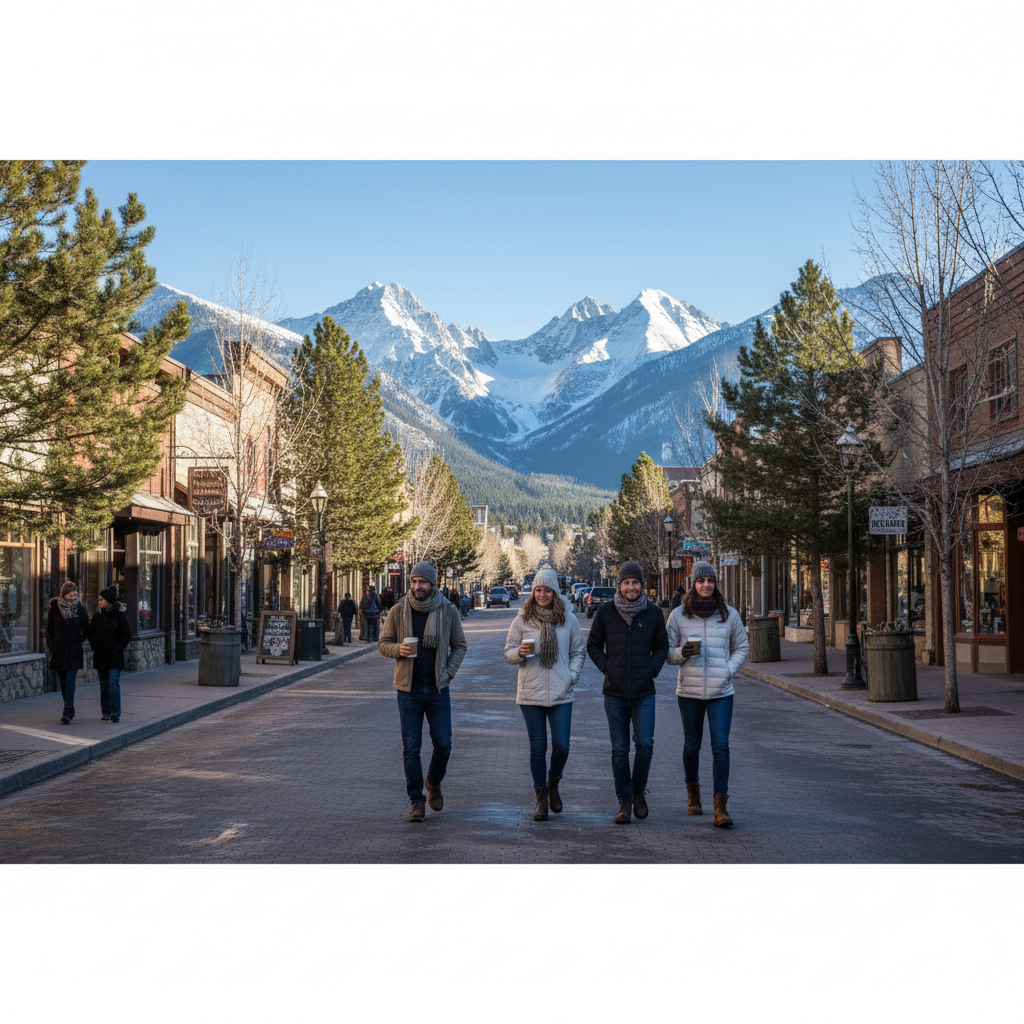
But reality has a few exceptions. A sunny, high-altitude town can still feel warm at midday, and some valleys trap heat and smoke. If you’re chasing that “window-open sleeping” vibe, you want a mix of elevation, tree cover, and nighttime lows, not just a mountain backdrop.
Also, “cool air” is seasonal. Early summer can be perfect, late summer can bring wildfire risk in parts of the West, and shoulder seasons can swing from 75°F afternoons to 40°F nights in the same day.
Quick self-check: what kind of cool-air trip are you really after?
Before you pick a place, decide what “cool” means for you. Most trip disappointment comes from mismatched expectations, not the destination.
- I want reliable sweater nights → prioritize higher elevations and towns known for big day-night temperature swings.
- I want shade and water → look for river towns, lake towns, and forested areas where trails stay cooler.
- I want low-effort relaxation → choose walkable downtowns, scenic drives, and short trails.
- I want active days → pick places with early-start hikes, gondolas, and plenty of backup options if weather flips.
- I need to avoid crowds → go midweek, consider smaller gateway towns, and avoid holiday weekends.
If you’re traveling with kids or older family, add a final filter: how far you’re comfortable driving between food, lodging, and activities. “Pretty but remote” can be a win, or it can be exhausting.
Planning the trip: elevation, weather, and smoke (without over-optimizing)
For mountain town travel escapes, planning isn’t about building a spreadsheet, it’s about reducing the odds of a miserable surprise.
Here’s the planning stack that usually works:
- Check average nighttime lows for the month you’re traveling, not just daytime highs.
- Look at a 10-day forecast a week out, then adjust activities rather than canceling the whole trip.
- Scan regional smoke conditions if you’re traveling in late summer in the West. According to AirNow (U.S. EPA), AQI is a practical way to understand air quality impacts day to day.
- Have a Plan B for thunderstorms: museums, scenic drives, local food, hot springs, or a shorter hike.
If air quality looks questionable, consider shifting to a different mountain region, or choose a town with more indoor options so your trip still feels worth it.
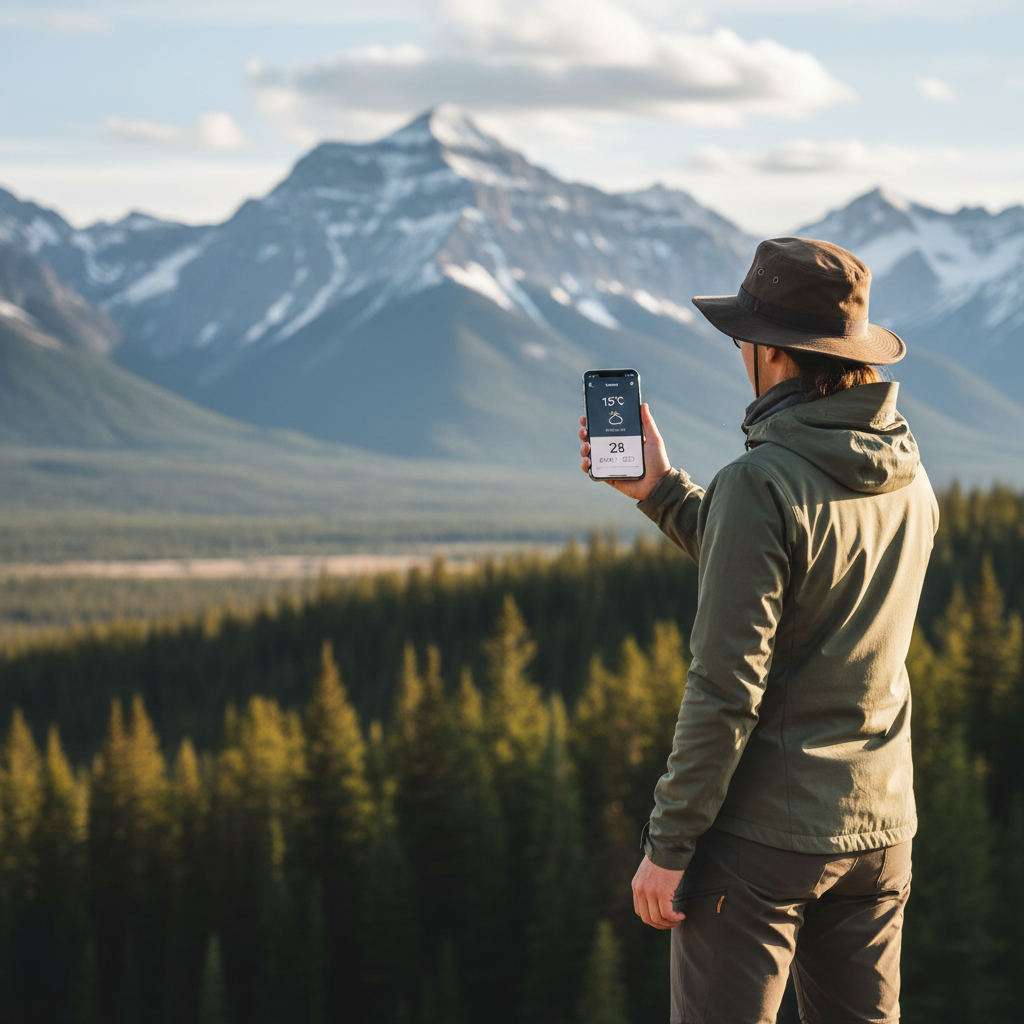
What to pack for cool mornings and warm afternoons
Mountain weather often feels like two seasons in one day. Packing for layers is the difference between enjoying a patio dinner and sitting there silently resenting your choices.
Layering basics that cover most trips
- Light insulating layer (fleece or thin puffer) for early and late hours
- Breathable base layer (merino or technical tee) so you don’t feel clammy after a walk
- Shell or rain jacket for afternoon storms and wind
- Sun protection (hat, sunglasses, sunscreen), high elevations can burn faster than you expect
- Comfortable walking shoes with traction, many “in-town” paths are still uneven
Small items people forget
- Refillable water bottle, altitude and dry air can make dehydration sneak up
- Bug repellent for creekside evenings
- A warm beanie if you’re sensitive to cold at night
According to the CDC, higher elevations can increase the risk of altitude-related illness for some travelers, especially if you ascend quickly. If you have health concerns, it’s smart to check with a clinician before a high-altitude itinerary.
Easy itineraries that actually feel like an escape
Many people plan mountain trips like they’re trying to “win” vacation, and then wonder why they feel tired. A better approach is building days around one anchor activity, then letting the town do the rest.
3-day reset (low effort, high payoff)
- Day 1: Arrive before dinner, short sunset walk, early night
- Day 2: Morning scenic hike or lake loop, long lunch, afternoon nap or bookstore, casual dinner
- Day 3: Coffee + local bakery, scenic drive, head home before traffic peaks
5-day cool-air break (more exploring, still relaxed)
- One big hike day with an early start and an easy dinner planned
- One water day (lake, river float, paddleboard, or simply a shady picnic)
- One town day for galleries, shops, and local history
- One flex day reserved for weather changes or just doing nothing
If you’re traveling in peak season, book your lodging early and keep activities loose. That structure helps mountain town travel escapes feel calm, even if the town itself gets busy.
Choosing the right mountain town style (with a simple comparison table)
Not every mountain town delivers the same kind of cool-air experience. Some feel like a basecamp for big adventures, others feel like a slow, walkable retreat.
| Mountain town style | What it’s best for | Typical trade-off | Good fit if you... |
|---|---|---|---|
| Resort hub | Gondolas, dining, easy logistics | Higher prices, more crowds | Want convenience and polished amenities |
| Outdoor gateway town | Trail access, national parks/forests nearby | Parking and reservations can be a hassle | Prioritize hikes and scenery over shopping |
| Lake-and-mountain mix | Cooling breezes, water activities | Some areas still warm midday | Want shade, swimming, and easy afternoons |
| Historic small town | Walkable streets, cafes, quieter vibe | Fewer activities if weather turns | Want a slower pace and charming downtown |
Common mistakes that make a “cool air” trip feel rough
These are the patterns that show up again and again, even for experienced travelers.
- Chasing midday cool and ignoring nights, you end up disappointed when the sun feels intense.
- Overbooking hikes, fatigue hits, then the town starts to feel “busy” instead of fun.
- Skipping reservations in popular areas, parking, entry windows, or dinner waits can eat your best hours.
- Underestimating storms, especially in some mountain regions where afternoons can turn quickly.
- Assuming altitude won’t affect you, headaches and poor sleep happen for some people, acclimation helps.
A small shift helps: treat mornings as your activity window, and afternoons as your recovery window. You still see a lot, you just stop fighting the mountain schedule.
When to get extra help (or at least ask better questions)
Most mountain getaways are straightforward, but a few situations deserve a more careful approach.
- Health conditions and altitude: If you have heart, lung, or sleep-related issues, ask a clinician about high-elevation travel. Symptoms can vary a lot by person.
- Wildfire smoke sensitivity: If you have asthma or similar concerns, consider choosing regions with historically lower smoke risk, and keep indoor alternatives on your list.
- Backcountry plans: If you’re going beyond well-marked trails, consult local ranger stations for current conditions. According to the National Park Service, staying informed about weather and trail status is a key part of visitor safety.
If you’re not sure what’s realistic for your group, a local guide service or a knowledgeable host can help you right-size the itinerary, especially for first-timers.
Conclusion: make the cool air the point, not a bonus
Mountain town travel escapes work best when you plan around what mountain towns naturally offer, cooler mornings, earlier activity windows, and evenings built for slowing down.
Pick one town style that matches your energy, keep a flexible day for weather, and pack layers even if the forecast looks friendly. If you do those three things, the trip usually feels like the reset you wanted when you started searching.