
Best travel guide for uk 2026 planning usually goes sideways for one reason: people try to “do the UK” in one trip, then spend more time on trains than in the places they came to see. If you’re traveling from the U.S., the jet lag, tight timelines, and unfamiliar rail logistics can turn a dream itinerary into a checklist sprint.
This guide keeps things realistic, with region-by-region picks, a quick decision framework, and a few itinerary templates you can actually follow. I’ll also flag the bookings that tend to matter most for 2026 travel patterns, plus common traps Americans run into, like underestimating distances or overpaying for flexible tickets when they don’t need them.
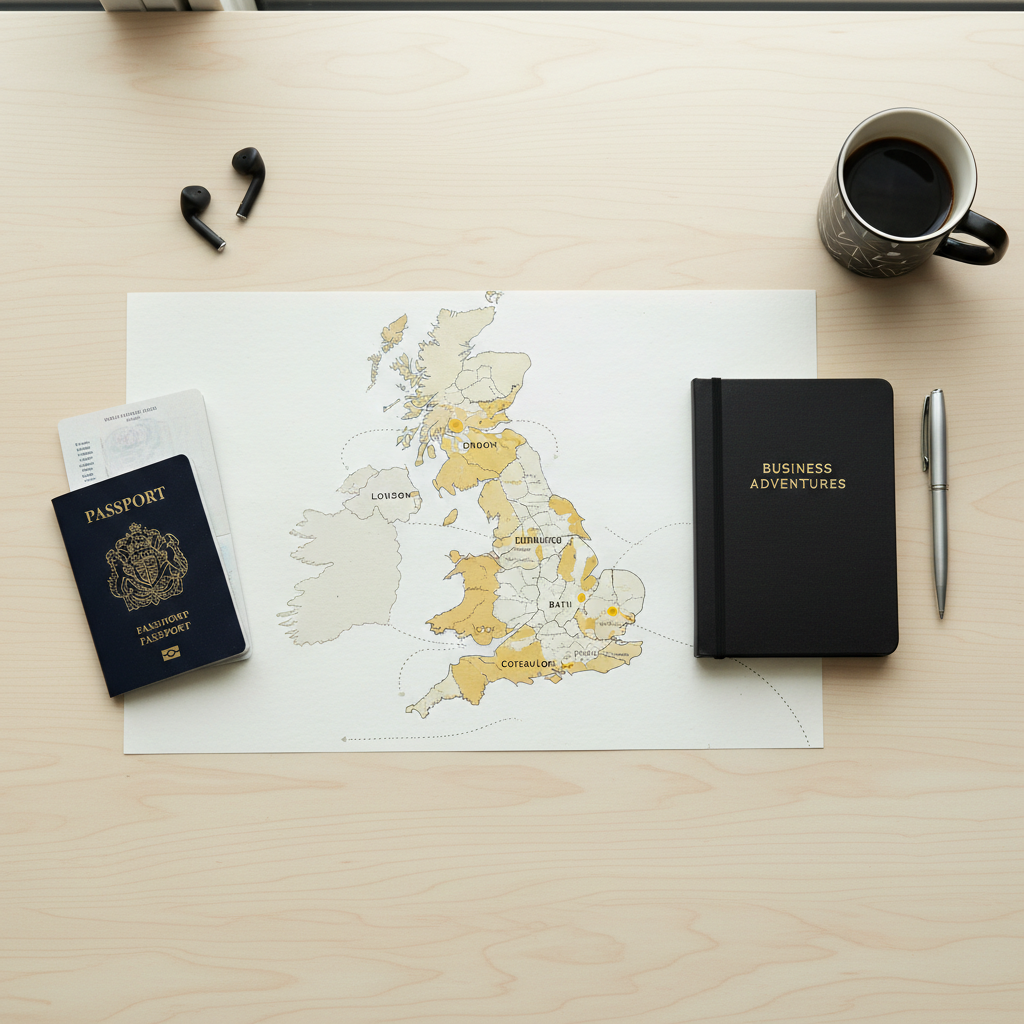
One more thing before we get tactical: “best” depends on what you want the UK to feel like. Big-city museums and West End shows, small villages and pubs, rugged coastlines, or castles and countryside drives, the right plan changes fast.
How to choose the right UK trip style for 2026
Instead of starting with a list of famous spots, start with constraints. Your budget, pace, and tolerance for moving hotels shapes everything, especially when you’re crossing time zones from the U.S.
- First-time UK trip: London + one easy add-on (Bath, Oxford, or the Cotswolds) often wins over a multi-region marathon.
- Second trip: Build around a theme, like Scotland Highlands, Wales coast, or a rail-heavy “heritage cities” loop.
- Family trip: Fewer bases, more apartment-style stays, and attractions with timed entry.
- Food + pubs: Plan around neighborhoods and reservations, not just landmarks.
According to VisitBritain, regional travel beyond London is a major part of the UK experience, which matches what most travelers feel once they’re there: the country opens up when you commit to one or two regions instead of five.
What’s actually “worth it” by region (and what to skip)
Here’s a practical way to think about the UK: pick one anchor city, then add a second region that gives you a different vibe. It keeps transit time under control while still feeling varied.
London (3–5 nights)
- Do: One museum day (British Museum or V&A), one neighborhood day (Soho, Covent Garden, South Bank), one “classic” view (Tower Bridge area or St Paul’s).
- Skip if rushed: Too many “top 10” stops in a single day, you’ll spend half of it in queues and Tube corridors.
Bath + Cotswolds (2–4 nights, best as a calm add-on)
- Do: Roman Baths, Georgian architecture walks, one countryside village day.
- Reality check: The Cotswolds works best with a car or a guided day tour; point-to-point buses can be slow.
Edinburgh + Highlands (3–6 nights)
- Do: Edinburgh Old Town, one-day Highlands taster or a 2–3 night road loop.
- Don’t force it: If you have only 2 nights total, stay in Edinburgh and keep Highlands for a future trip.
Liverpool / Manchester (1–3 nights)
- Do: Music, football culture, and day trips (like Chester) without London prices.
- Good for: Travelers who want a UK city that feels more local and less “tour circuit.”

If you’re using this as your best travel guide for uk 2026, the core move is simple: don’t “sample” every region, pick a story for your trip, then build logistics around that story.
A quick self-check: which UK itinerary fits you?
Answer these honestly, it saves you from booking regret later.
- How many full days on the ground? Under 7 days: one base city + easy day trips. Over 10: two bases can work.
- Can you sleep on planes? If not, protect Day 1 and Day 2 with lighter plans.
- Do you hate packing? If yes, keep hotel changes to 1 time, 2 max.
- Car comfort level? If you’re uneasy with left-side driving, lean rail + tours.
- What’s your “must”? Museums, countryside, castles, shows, football, food. Only one has to be true, but it should be clear.
Sample itineraries (7–10 days) that don’t overreach
These are templates, not commandments. Swap neighborhoods and day trips based on flights, hotel prices, and what you actually enjoy doing for four hours straight.
Option A: Classic first trip (7–8 days)
- London (4–5 nights): landmarks + neighborhoods + one museum-heavy day
- Bath (2 nights): Roman Baths + relaxed evenings
- Day trip buffer: Windsor or Oxford if energy stays high
Option B: City + Scotland taste (8–10 days)
- London (4 nights)
- Edinburgh (3 nights)
- One Highlands day tour or add 1–2 nights for a short loop
Option C: England without London overload (7–9 days)
- London (2–3 nights) to get the “greatest hits”
- York (2 nights) for history, walkability, pubs
- Manchester or Liverpool (2–3 nights) for culture and day trips
2026 planning: bookings, timing, and a simple budget table
Most UK trips don’t fail because travelers miss a hidden gem, they fail because they book the hard-to-change pieces in the wrong order. Lock the skeleton first, then decorate the days.
- Start with flights (arrival city and departure city), then hotels in your anchor city.
- Add timed-entry attractions and popular shows, these can sell out in peak periods.
- Book rail when you’re confident in your dates; flexible tickets cost more and aren’t always necessary.
According to National Rail, ticket types and restrictions vary by operator and route, so it’s worth double-checking refund rules before you click purchase, especially if you’re mixing advance tickets with day trips.
| Cost Category | Budget Approach | Mid-Range Approach | Where Americans often overspend |
|---|---|---|---|
| Hotels | Smaller rooms, outer zones | Central neighborhoods, 3–4 star | Paying for “center” without checking transit time |
| Transport | Mostly Tube/bus + 1 rail leg | Rail between cities + local transit | Buying flexible rail when dates are fixed |
| Food | Markets, casual pubs | Mix of casual + reservations | Over-booking pricey tasting menus back-to-back |
| Attractions | Free museums + 1–2 paid sites | Paid sites + tours | Stacking too many ticketed stops in one day |

For many people using a best travel guide for uk 2026, the biggest “budget unlock” is not a secret discount, it’s choosing the right neighborhood and limiting hotel swaps, both reduce hidden costs like taxis, late-night rideshares, and wasted half-days.
On-the-ground tips Americans appreciate (money, phones, etiquette)
These are small details, but they add up to a smoother trip.
- Cards and payments: Contactless is widely accepted; still keep a small amount of cash for edge cases.
- Adapters: UK plugs differ from the U.S.; pack one good adapter rather than a pile of cheap ones.
- Cell service: Check if your U.S. plan supports UK roaming, eSIM often simplifies setup.
- Tipping: Service charge may appear on the bill; check before tipping extra.
- Pub etiquette: Ordering at the bar is normal in many pubs; table service varies.
According to GOV.UK, travelers should review entry requirements and travel guidance before departure, and that’s especially relevant when rules change around passports, visas, and transit connections.
Common mistakes (and what to do instead)
- Mistake: Booking 3 cities in 6 days. Do instead: Pick one city, add day trips, then stop moving.
- Mistake: Planning every hour. Do instead: Pre-book only high-demand items, leave breathing room for weather and mood.
- Mistake: Treating the UK like a road-trip-first destination. Do instead: Use rail for intercity travel, rent a car only for rural loops.
- Mistake: Ignoring seasonality. Do instead: Build indoor options for rainy days, keep footwear practical.
If you want this best travel guide for uk 2026 to feel actionable, here are the key points to keep in front of you: two regions max for 7–10 days, one anchor city, book the inflexible items early, and protect your first day from over-planning.
Safety and when to get expert help
The UK is generally straightforward for visitors, but individual situations vary. Use normal city awareness, keep an eye on belongings in crowded areas, and consider travel insurance if your itinerary includes multiple prepaid components.
- Health needs: If you have medical conditions or need prescription planning, it’s smart to consult a clinician before travel.
- Complex trips: Multi-generational travel, accessibility needs, or rural driving plans often benefit from a travel advisor who knows local logistics.
- Tight connections: If you’re combining separate tickets (flight + rail), a specialist can help you build safer buffers.
Conclusion: a UK trip you’ll actually enjoy
The best UK itineraries for Americans in 2026 usually feel a bit “lighter” than people expect: fewer bases, more neighborhood time, and one or two standout day trips rather than a constant sprint. If you do that, the UK starts to feel less like a map of must-sees and more like a place you’re living in for a week.
Your next move: pick your anchor city today, then choose the single add-on region that gives your trip contrast. Once those two decisions are firm, the rest gets easier.